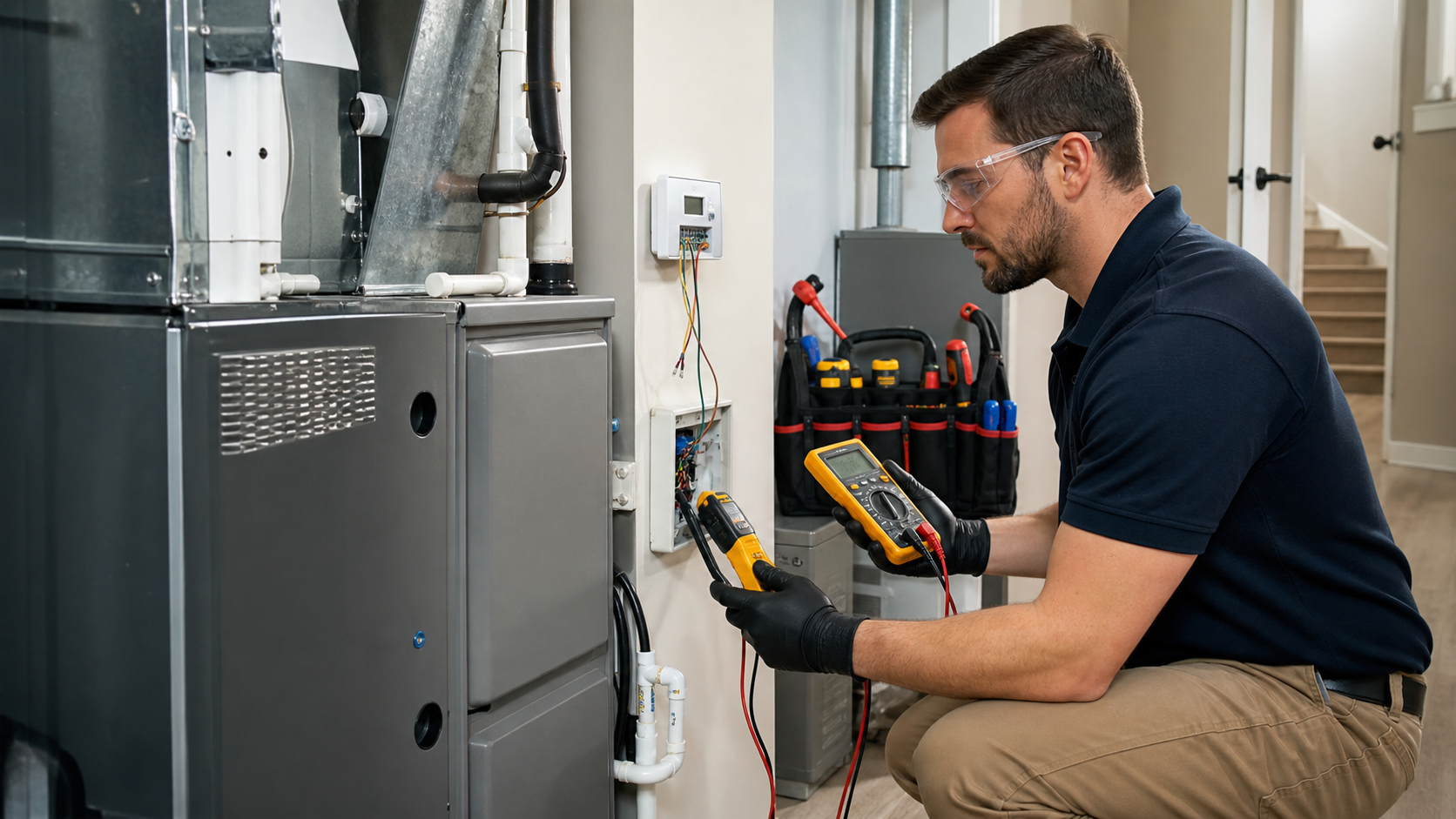
HVAC Repair Systems: Fix Problems Before They Become Costly
Understanding HVAC repair systems helps homeowners recognize heating and cooling problems early, make informed service decisions and avoid unnecessary equipment replacement. An HVAC system can experience faults involving thermostats, filters, electrical components, refrigerant circuits, blowers, furnaces, heat pumps, air conditioners and ductwork. While basic tasks such as checking an appropriate filter or thermostat setting may be suitable for homeowners, electrical, fuel burning and refrigerant related repairs generally require qualified professionals because incorrect work can create safety risks or damage expensive equipment.
Heating, ventilation and air conditioning equipment works as an interconnected system. A symptom in one area does not necessarily reveal the underlying fault.
For example, weak airflow could result from a clogged filter, blower issue, restricted duct, frozen coil or another problem. Similarly, an air conditioner that fails to cool effectively does not automatically need additional refrigerant.
Accurate diagnosis should come before repair.
This guide explains common HVAC problems, troubleshooting principles, repair considerations, maintenance and how to choose a qualified service provider.
What Are HVAC Repair Systems?
The phrase HVAC repair systems describes the methods, components and professional services involved in diagnosing and repairing heating, ventilation and air conditioning equipment.
Residential HVAC can include air conditioners, furnaces, heat pumps, boilers, air handlers, thermostats and ventilation components.
Not every home uses the same configuration.
Climate, building design, energy source and local construction practices all influence the type of system installed.
How an HVAC System Works
An HVAC system manages indoor temperature and, depending on its design, ventilation and humidity.
During cooling, an air conditioning or heat pump system transfers heat from the indoor environment to another location. During heating, a furnace may generate heat through combustion or electric elements, while a heat pump transfers heat using a refrigeration cycle.
A blower or other distribution system then circulates conditioned air in many forced air installations.
Why Accurate HVAC Diagnosis Matters
Replacing parts based on symptoms alone can waste money and leave the original fault unresolved.
Professional diagnosis may involve checking electrical measurements, temperatures, airflow, static pressure, operating sequences and manufacturer fault information.
Technicians can then compare findings with equipment specifications and determine which component or condition is actually responsible.
Why HVAC Repair Systems Require Technical Knowledge
Modern equipment combines mechanical, electrical and electronic systems.
Many units contain control boards, sensors, motors, switches and refrigeration components that interact continuously.
A single failure can therefore trigger secondary symptoms elsewhere in the equipment. Understanding the sequence of operation helps technicians identify the cause rather than simply treating the visible symptom.
7 Powerful HVAC Repair Solutions for Common Problems
Every fault requires individual diagnosis, but several repair categories occur frequently in residential heating and cooling systems.
1. Replacing a Dirty HVAC Filter
An excessively dirty filter can restrict airflow.
Reduced airflow can affect comfort and force equipment to operate under unsuitable conditions. Depending on system design, serious restriction can contribute to problems involving coils, furnaces and blower performance.
Filters should be replaced or cleaned according to the equipment and filter manufacturer’s recommendations.
Do not automatically install the highest filtration rating available. A filter that creates excessive resistance may be inappropriate for a system not designed for it.
2. Correcting Thermostat Problems
A thermostat serves as an important control point between occupants and HVAC equipment.
Incorrect settings, depleted batteries on applicable models, wiring faults or sensor problems can interfere with system operation.
Before requesting service, homeowners can confirm that the thermostat is set to the intended operating mode and temperature.
Anything involving exposed electrical wiring should be handled cautiously and according to manufacturer instructions.
3. Repairing Airflow Problems
Poor airflow can have several causes.
Dirty filters, blocked registers, damaged ductwork, blower faults, dirty coils and improperly designed ducts can all contribute.
The solution depends on measured conditions.
Increasing fan speed without checking system requirements can cause new comfort or performance problems rather than correcting the underlying fault.
4. Addressing Electrical Component Failures
HVAC equipment relies on electrical components to start motors, control operating sequences and protect the system.
Contactors, relays, capacitors, motors, circuit boards and wiring can fail.
Electrical diagnosis should generally be performed by trained professionals because HVAC equipment may contain hazardous voltages even when some components are not operating.
5. Correcting Refrigerant Problems
Refrigerant circulates through air conditioning systems and heat pumps as part of the heat transfer process.
A system does not normally consume refrigerant like a car consumes fuel. If the refrigerant charge is low, leakage or another service issue may need investigation.
Simply adding refrigerant without identifying the reason for an abnormal charge can leave the underlying problem unresolved.
Refrigerant handling is also regulated in many jurisdictions and should be performed by appropriately certified professionals.
6. Repairing Heating System Faults
Heating failures can involve ignition components, burners, sensors, motors, controls, heat exchangers or other parts depending on equipment type.
Fuel burning appliances introduce additional safety considerations, including combustion gases and carbon monoxide.
Suspected combustion or gas related problems warrant professional attention.
7. Fixing Condensate Drainage Problems
Cooling equipment often removes moisture from indoor air.
That condensate needs to drain correctly. A blocked drain can lead to water leakage and, depending on the system, may activate a safety switch that stops cooling.
Proper maintenance of drain components can reduce the likelihood of water related problems.
Common Signs You Need HVAC Repair Systems Expertise
Equipment frequently gives warning signs before a complete breakdown.
Recognizing them can help homeowners seek service before comfort is completely lost.
HVAC System Is Not Heating or Cooling
A complete lack of heating or cooling is one of the clearest reasons to investigate the system.
First, check safe and accessible basics such as thermostat settings and whether household electrical breakers have tripped. Do not repeatedly reset a breaker that continues to trip.
Repeated electrical protection activation can indicate a fault requiring professional diagnosis.
Weak Airflow From Vents
Poor airflow might affect one room or the entire house.
A single room problem can point toward a register, damper or branch duct issue. Weak airflow throughout the property may indicate filter, blower, coil or broader ductwork concerns.
Airflow measurement can help distinguish between these possibilities.
Unusual HVAC Noises
Heating and cooling systems naturally make operational sounds, but new noises can indicate problems.
Grinding, scraping, persistent rattling or abnormal buzzing should not be ignored.
Turn equipment off when a sound suggests mechanical damage and contact an HVAC professional if necessary.
HVAC Repair Systems for Strange Odors
Odors can have several causes and should be interpreted carefully.
A brief dusty smell when some heating systems first operate after a long inactive period can occur, but persistent burning smells deserve investigation.
If you smell natural gas or suspect a gas leak, leave the affected area and follow the emergency instructions of your local gas utility or emergency authority. Do not attempt to locate or repair a suspected gas leak yourself.
Air Conditioner Repair and Diagnosis
Air conditioning problems are often most noticeable during hot weather, when the equipment operates under greater demand.
AC Runs but Does Not Cool Properly
An air conditioner can run while delivering inadequate cooling.
Possible causes include airflow restriction, dirty heat transfer surfaces, refrigerant related faults, compressor problems, controls or equipment sizing and ductwork issues.
Indoor and outdoor temperatures, airflow and system operating data help a technician determine what is happening.
Frozen Evaporator Coil
Ice on an evaporator coil indicates a condition requiring correction.
Restricted airflow and refrigeration related problems are among the possible causes.
Continuing to operate a severely frozen system can prevent effective cooling and may worsen the problem.
Allowing ice to melt does not diagnose why it formed.
Outdoor Unit Does Not Run
The outdoor condenser contains important electrical and refrigeration components.
If it does not operate while cooling is requested, possible causes include power supply problems, controls, safety devices, motor issues or other equipment faults.
Professional HVAC Repair Systems for AC Faults
A trained technician may inspect temperature differences, electrical values, airflow and refrigerant system performance where appropriate.
This evidence based approach is preferable to replacing components solely because a symptom resembles a previous breakdown.
Manufacturer diagnostic procedures can also be important for modern variable capacity equipment.
Furnace Repair and Heating Problems
Furnaces require additional caution because many models burn fuel.
Furnace Will Not Start
A furnace may fail to operate because of thermostat, power supply, control, ignition or safety related problems.
Some furnaces display diagnostic codes. These codes can help a qualified technician narrow the investigation but should be interpreted using the specific manufacturer’s documentation.
Furnace Short Cycling
Short cycling occurs when equipment operates for unusually brief periods before switching off and then restarting.
Potential causes vary from airflow problems to control or safety issues.
Equipment sizing can also influence cycling behavior.
Diagnosis should determine the actual cause before adjustments are made.
Carbon Monoxide Safety
Carbon monoxide is colorless and odorless.
Homes containing fuel burning equipment should use carbon monoxide alarms where recommended or required by applicable codes and safety authorities.
Symptoms such as headache, dizziness, weakness, nausea or confusion can occur with carbon monoxide exposure but are nonspecific. If an alarm activates or exposure is suspected, move to fresh air and contact appropriate emergency services or authorities.
Heat Pump Repair Systems
Heat pumps can provide both heating and cooling, so some problems can appear during either season.
Heat Pump Is Not Heating Enough
Heat pump heating performance is affected by outdoor conditions, equipment design, airflow and system operation.
Some installations use auxiliary or backup heating when required.
A sudden change in performance can indicate a fault and deserves investigation.
Outdoor Unit Develops Frost
Some frost can occur on an outdoor heat pump coil during heating operation.
Heat pumps normally use a defrost cycle to manage frost accumulation.
Persistent heavy ice can indicate problems involving airflow, defrost controls, sensors, refrigerant conditions or other components.
HVAC Repair Systems for Heat Pump Defrost Problems
Technicians can check whether the equipment enters defrost correctly and whether relevant sensors and controls operate within specification.
Do not remove ice with sharp objects because doing so can damage coils and refrigerant tubing.
Ductwork Problems and HVAC Performance
The heating and cooling equipment can function correctly while poorly performing ductwork limits comfort.
Leaking Ducts
Air leakage can allow conditioned air to escape before reaching the intended rooms.
Return side leakage can also draw air from unwanted locations depending on duct placement and pressure.
Professional duct sealing may improve performance when meaningful leakage is confirmed.
Damaged or Disconnected Ductwork
Flexible ducts can become damaged, compressed or disconnected.
Poor installation can restrict airflow and produce uneven temperatures.
Accessible visual inspection sometimes reveals obvious problems, although hidden ducts can require additional diagnostic methods.
Duct Design and Air Balancing
Uneven comfort does not always indicate equipment failure.
Duct sizing, register placement, balancing, insulation and building heat gains can all influence room temperatures.
When HVAC Repair Systems Include Duct Modifications
Repairing a torn section is different from redesigning a duct system.
When airflow measurements show persistent distribution problems, a contractor may recommend modifications. Larger changes should be based on proper design principles rather than guesswork.
HVAC Repair Cost Factors
Providing a single HVAC repair price would be inaccurate because equipment and failures vary significantly.
A minor control replacement and a major compressor repair involve very different labor, material and diagnostic requirements.
What Influences HVAC Repair Cost?
Important variables include:
• Equipment type and age
• Failed component
• Diagnostic time
• Replacement part availability
• Labor requirements
• Refrigerant related work
• System accessibility
• Emergency service timing
• Local labor rates
• Warranty coverage
Request a written estimate before substantial work begins whenever circumstances permit.
Diagnostic Fees
Many HVAC contractors charge for professional diagnosis.
A diagnostic charge compensates the company for technician travel, equipment and the time required to identify the problem.
Ask whether that fee is separate from repairs or credited toward approved work.
Repair Versus Replacement
Older equipment does not automatically require replacement.
Consider repair cost, overall equipment condition, efficiency, parts availability, warranty status and likelihood of additional failures.
A qualified contractor should be able to explain why replacement is recommended rather than simply describing a system as old.
Comparing HVAC Repair Systems Quotes
When reviewing multiple estimates, compare the actual scope.
One quotation may cover only a failed component, while another may include related repairs, warranties or system corrections.
Ask contractors to identify the diagnosed fault and explain how the proposed work addresses it.
HVAC Maintenance That Can Prevent Some Repairs
Maintenance cannot prevent every component failure, but it can identify developing issues and maintain appropriate operating conditions.
Replace or Clean Filters
Check the filter according to manufacturer guidance.
Replacement frequency depends on filter design, system operation and household conditions.
A filter should fit correctly without allowing substantial air bypass.
Keep Outdoor Equipment Clear
Outdoor air conditioning and heat pump units need appropriate airflow.
Keep vegetation and debris away according to manufacturer clearance requirements.
Do not enclose the unit in a way that restricts heat transfer.
Schedule Appropriate Professional Maintenance
Professional maintenance can involve electrical inspection, cleaning, operational checks and performance measurements appropriate to the equipment.
Fuel burning systems may require additional combustion and safety checks.
HVAC Repair Systems Versus Preventive Maintenance
Repair addresses an existing fault. Preventive maintenance evaluates and services equipment before a known failure occurs.
The two activities overlap but are not interchangeable.
Even well maintained equipment can eventually experience component failure.
DIY HVAC Troubleshooting You Can Perform Safely
Homeowners can perform a limited number of basic checks without opening equipment or working on hazardous systems.
Check Thermostat Settings
Confirm the selected heating or cooling mode and temperature.
If the thermostat uses replaceable batteries, check them according to manufacturer instructions.
Smart thermostats may also display connection or equipment alerts.
Inspect the Filter
A visibly loaded filter may require replacement.
Use the correct dimensions and appropriate specification for your equipment.
Check Registers
Ensure supply and return openings have not accidentally been blocked by furniture or household items.
Do not close large numbers of registers in an attempt to save energy unless the HVAC system was designed to operate that way.
When to Stop DIY HVAC Repair
Stop when troubleshooting involves electrical panels, internal capacitors, combustion equipment, refrigerant circuits or significant equipment disassembly.
Capacitors can retain electrical energy, and fuel systems can create serious fire, explosion or carbon monoxide hazards.
Professional service is the safer option for these repairs.
How to Choose an HVAC Repair Company
A technically correct repair depends heavily on the technician performing the diagnosis.
Verify Licensing and Credentials
Licensing requirements differ by jurisdiction.
Check whether the company and technician hold credentials required for the work being performed. Refrigerant handling, electrical work and fuel systems may be subject to specific legal requirements.
Use official licensing databases where available.
Look for Transparent Diagnosis
A trustworthy technician should explain the identified problem and proposed repair in understandable terms.
Ask what measurements, observations or tests support the diagnosis.
Be cautious about high pressure recommendations that are not accompanied by a clear technical explanation.
Ask About Warranties
Clarify warranty coverage for both parts and labor.
Manufacturer warranties and contractor workmanship warranties can have different conditions.
Keep invoices and service records after repairs.
Finding HVAC Repair Systems Professionals
Look for providers with experience servicing your type of heating and cooling equipment.
Strong customer reviews can be useful for evaluating scheduling and communication, but technical licensing, insurance and competency remain more important than star ratings alone.
Improving HVAC Efficiency After Repairs
Restoring a faulty component does not necessarily solve broader efficiency problems.
Building insulation, air sealing, duct condition, equipment sizing and thermostat operation can all influence energy use.
Do Not Rely on Temperature Settings Alone
Repeatedly setting an extreme thermostat temperature does not necessarily make standard HVAC equipment heat or cool faster.
Instead, select a comfortable setting and investigate if the system cannot maintain it under normal design conditions.
Consider a Professional Energy Assessment
Where energy consumption remains unusually high, a broader home energy assessment may identify opportunities beyond the HVAC equipment itself.
Air leakage or poor insulation can increase heating and cooling demand even when the system functions correctly.
Frequently Asked Questions
What are HVAC repair systems?
HVAC repair systems include the diagnostic methods, replacement components and professional services used to restore heating, cooling and ventilation equipment.
What is the most common HVAC repair problem?
There is no single fault that applies to every system. Filters, controls, electrical components, airflow problems and drainage issues are among commonly encountered service concerns.
How do I know if my HVAC system needs repair?
Poor heating or cooling, weak airflow, unusual noises, abnormal odors, repeated cycling, leaks and unexpected shutdowns can indicate a need for professional diagnosis.
Can I repair an HVAC system myself?
Homeowners can perform basic checks such as thermostat settings and filter inspection. Electrical, refrigerant, fuel and internal mechanical repairs should generally be left to qualified professionals.
How much does HVAC repair cost?
Costs depend on the diagnosed fault, equipment, required parts, labor, location and warranty coverage. A professional diagnosis is usually necessary for an accurate estimate.
Should I repair or replace an old HVAC system?
Consider repair cost, equipment condition, efficiency, parts availability and expected future reliability. Age alone should not determine the decision.
Conclusion
Effective HVAC repair systems begin with accurate diagnosis rather than replacing components based on symptoms alone. Filters, thermostats, electrical parts, refrigerant circuits, heating equipment and ductwork can all affect comfort and performance in different ways. Homeowners can safely perform a few basic checks, but potentially hazardous electrical, combustion and refrigerant work belongs with appropriately qualified professionals. Timely repairs and suitable preventive maintenance can help maintain dependable heating and cooling while reducing the risk of avoidable system problems.