Hardwood Deck Boards: Choosing Beautiful Timber That Lasts
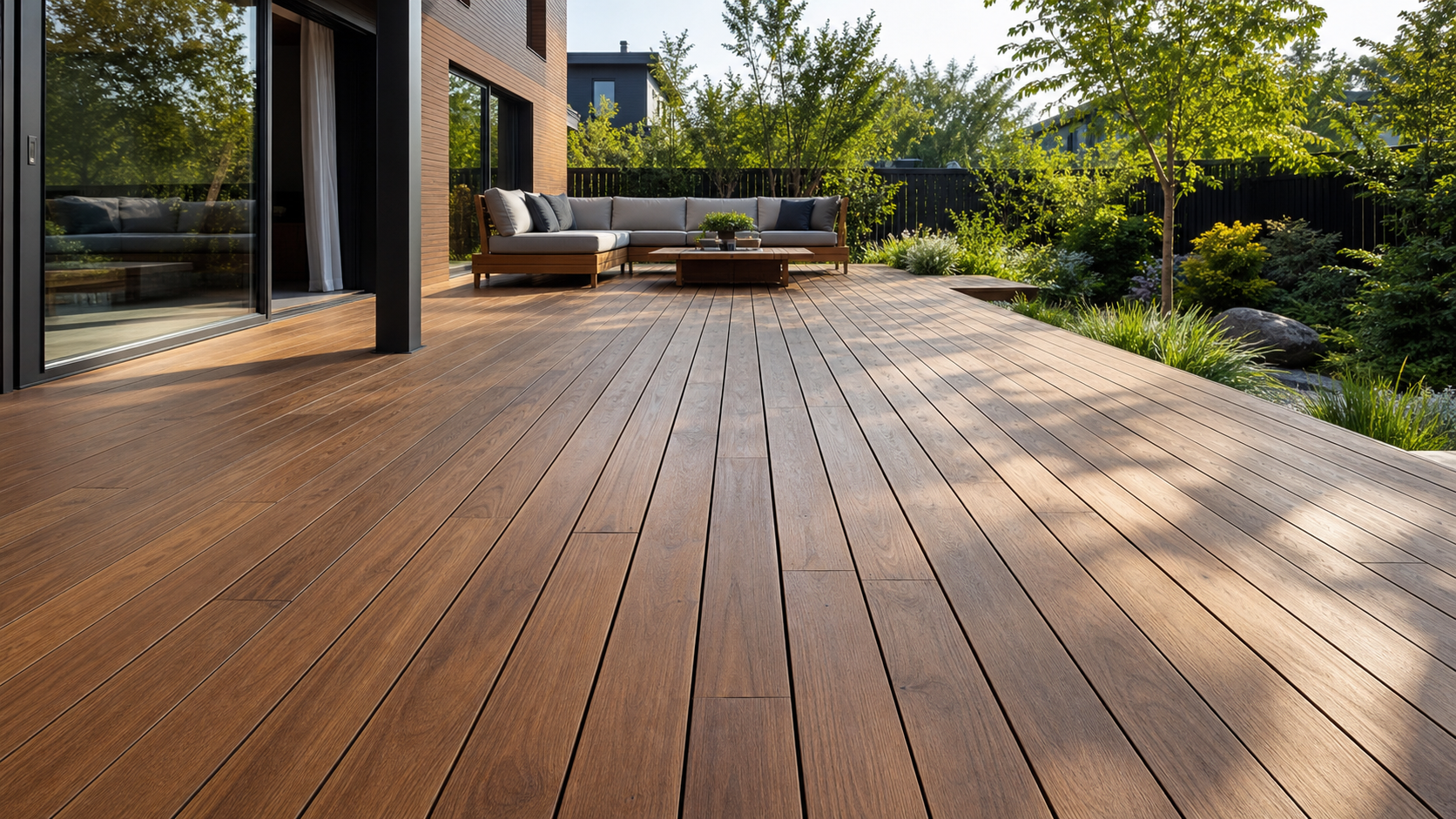
Choosing hardwood deck boards can create a durable, naturally attractive outdoor surface when the timber species, board profile and installation method are appropriate for the project. Dense hardwoods such as ipe, cumaru and several other decking species are valued for their strength, distinctive grain and ability to withstand outdoor exposure, but performance varies considerably by species and installation conditions. Buyers also need to consider responsible sourcing, substructure design, ventilation, fasteners, maintenance and local climate before deciding whether hardwood is a better investment than softwood or composite decking.
A deck is exposed to moisture, ultraviolet radiation, temperature changes, dirt and regular foot traffic. Material selection therefore influences much more than appearance.
Dense tropical hardwoods can deliver excellent outdoor performance, but they are often heavier and harder to machine than common softwoods. Installation techniques that work with one timber are not automatically appropriate for another.
This guide explains hardwood decking types, advantages, limitations, installation, maintenance and the practical details worth checking before you order boards.
What Are Hardwood Deck Boards?
Hardwood decking boards are timber boards manufactured from broadleaf tree species and prepared for use as an exterior walking surface.
The term hardwood describes botanical classification rather than guaranteeing a particular level of hardness. Some hardwood species are relatively soft, while individual softwoods can offer substantial durability.
For decking, the characteristics of the particular species matter more than the hardwood label itself.
Density, dimensional stability, natural durability, moisture movement, grain and resistance to decay should all be considered.
Hardwood Versus Softwood Decking
Softwood decking is commonly produced from species such as pine, spruce, cedar or Douglas fir, depending on location. Some products rely on preservative treatment to improve outdoor durability.
Hardwood decking often uses naturally dense or durable species. Premium tropical hardwoods can provide strong resistance to wear and biological deterioration when correctly specified.
However, hardwood is typically more expensive and may demand more labor during installation.
Hardwood Versus Composite Decking
Composite decking is generally made using combinations of polymers and wood based materials or mineral fillers, depending on the product.
It is engineered for consistent dimensions and comparatively low routine maintenance. Hardwood, by comparison, provides the grain, color variation and aging characteristics of natural timber.
Neither material is universally better.
The right choice depends on budget, desired appearance, maintenance expectations, climate and installation requirements.
Why Hardwood Deck Boards Perform Differently by Species
Two hardwood species can have very different characteristics.
Density affects machining and handling. Natural extractives can influence staining, fastener selection or compatibility with finishes. Dimensional movement influences spacing and installation.
For this reason, builders should follow technical guidance for the specific species and product instead of applying generic hardwood rules.
7 Powerful Benefits of Hardwood Deck Boards
Premium timber continues to appeal to homeowners, architects and builders because it offers a combination of appearance and structural characteristics that manufactured alternatives cannot exactly reproduce.
1. Natural Timber Appearance
Each board contains genuine grain patterns and natural color variation.
Those differences create visual depth across a finished deck. Depending on the species, colors can range from lighter golden and reddish tones to deep browns.
Sunlight changes unfinished exterior timber over time. Many hardwoods gradually develop a silver or grey patina when exposed to ultraviolet radiation.
That color change is natural weathering rather than automatic evidence that the timber has failed.
2. Excellent Wear Resistance
Many premium decking hardwoods have high density and hardness.
This can help them resist everyday dents and surface wear. Such properties can be useful for decks receiving frequent foot traffic.
Hardness should not be confused with complete damage resistance. Furniture, grit, dragging objects and inappropriate cleaning can still mark timber.
3. Potential for a Long Service Life
Some naturally durable hardwood species can provide long service lives when properly designed, installed and maintained.
Actual durability depends on species, timber quality, moisture exposure, ventilation, detailing and local conditions.
A premium board placed on a poorly constructed subframe can still experience premature problems. Deck longevity therefore depends on the entire system rather than the surface material alone.
4. Distinctive Architectural Character
Real hardwood develops visual characteristics that are difficult to duplicate perfectly with manufactured decking.
Natural variation can complement contemporary architecture, traditional homes, landscaped gardens and outdoor entertaining spaces.
Species and board width can also influence visual style.
5. Multiple Finishing Options
Exterior hardwood can often be left to weather naturally or treated with a compatible penetrating finish to help maintain more of its original color.
Finishes do not permanently freeze timber in its freshly installed appearance. Exterior exposure gradually affects coatings and oils, so maintenance applications may be required.
Always use products confirmed as suitable for the specific wood species.
6. Strength for Exterior Applications
Several commonly used decking hardwoods offer strong mechanical properties alongside wear resistance.
This does not mean builders can automatically increase joist spacing. Structural layout must follow the board manufacturer’s specifications, relevant building requirements and engineering needs.
7. Repairable Natural Surface
Unlike some manufactured surfaces, solid timber can sometimes be cleaned, refinished or lightly sanded when appropriate.
The correct restoration process depends on the defect, board condition and finish.
Excessive sanding or aggressive pressure washing can damage the surface, so restoration should be performed carefully.
Best Hardwood Deck Boards and Timber Species
Species selection is one of the most important decisions in a hardwood decking project.
Availability also varies considerably between countries.
Ipe Decking
Ipe is a name commonly applied to very dense South American hardwood species used for exterior applications.
It is known for high density, strength and natural durability. Its color commonly includes rich brown tones with natural variation.
The same density that makes ipe attractive for demanding environments also makes it challenging to work.
Quality cutting tools, suitable drill bits and carefully selected fasteners are important. Predrilling is commonly required for certain fastening methods.
Cumaru Decking
Cumaru is another dense South American hardwood frequently used for decking.
Its appearance can range from warm golden brown to deeper reddish brown shades. Like ipe, it is dense and requires installation techniques suitable for hard timber.
Cumaru and ipe should not be treated as interchangeable solely because both are tropical hardwoods.
Individual product guidance remains important.
Garapa Decking
Garapa generally has a lighter appearance than ipe or cumaru.
Golden and yellow brown tones make it attractive for projects where lighter timber is preferred. Exposure to outdoor conditions will still change its appearance over time.
Durability, dimensions and sourcing should be evaluated for the specific product being supplied.
Tigerwood Decking
Timbers sold as tigerwood are known for dramatic grain and color contrast.
The striped appearance can create a visually striking deck, although natural variation means boards will not have identical patterns.
As with other trade names, buyers should confirm the botanical species because common names can sometimes refer to more than one timber.
Choosing Hardwood Deck Boards by Species
Do not make a decision based on color photographs alone.
Ask your supplier for information about:
• Botanical species
• Country or region of origin
• Durability characteristics
• Board dimensions
• Moisture condition
• Recommended joist spacing
• Fastening requirements
• Finish compatibility
• Sustainability certification
• Product warranty where applicable
Botanical identification is particularly useful when several timbers share similar trade names.
Understanding Hardwood Decking Grades
Timber is a natural material, so variation is inevitable.
Board grading helps define which characteristics are permitted within a product category. However, terminology and grading rules vary among suppliers and timber markets.
What Does Decking Grade Mean?
A grade specification may address knots, splits, sapwood, grain characteristics, machining defects or other visible features.
Higher grade does not necessarily mean identical color or perfectly uniform grain.
Natural variation remains one of timber’s defining qualities.
Check Boards When They Arrive
Inspect the delivery before installation begins.
Compare quantities and dimensions with the order. Look for significant damage, incorrect profiles or boards that do not meet the agreed product specification.
Store timber according to supplier guidance before installation.
Acclimating Hardwood Deck Boards
Timber responds to surrounding moisture conditions by expanding or contracting.
Whether boards need acclimation, and how this should be done, depends on species, moisture content, climate and supplier instructions.
Do not automatically copy indoor flooring acclimation methods for exterior decking. The environments and installation requirements differ.
Hardwood Deck Boards Installation Guide
Correct installation is fundamental to long term performance.
Because dense hardwood is relatively expensive, errors can be particularly costly.
Build the Right Substructure
Deck boards rely on the structure below them.
Joists must provide adequate support and be properly spaced for the specific deck board dimensions. The structure must also comply with applicable building codes and local requirements.
If the supporting frame is poorly designed, high quality surface boards cannot compensate for it.
Provide Ventilation and Drainage
Outdoor timber performs best when water can drain and components can dry.
A deck should not trap persistent moisture around boards and framing. Adequate airflow underneath can help the assembly dry after rain.
The requirements vary with deck height, site conditions and construction method.
Plan Board Spacing Carefully
Decking needs gaps for drainage and timber movement.
The correct gap depends on wood species, board moisture content, board dimensions and environmental conditions.
A generic spacing recommendation can therefore be misleading.
Follow supplier instructions and account for how the timber is expected to move after installation.
Fasteners for Hardwood Deck Boards
Fastener selection is especially important with dense hardwood.
Exterior rated stainless steel fasteners are commonly used for many premium decking installations because corrosion resistance is important. However, the correct grade and fastening system depend on exposure conditions and product specifications.
Coastal and other corrosive environments may have additional requirements.
Predrilling can help reduce splitting and make installation easier with particularly dense species.
Face Screws Versus Hidden Fasteners
Deck appearance can be influenced significantly by fastening style.
Face Fastening
Face screws pass through the upper surface of each board and into the joist.
This approach provides direct mechanical attachment and makes individual fasteners accessible.
Careful alignment can produce a clean appearance even though screw heads remain visible.
Hidden Fastening Systems
Hidden systems secure boards through edges or purpose designed grooves.
They can produce an uninterrupted surface with fewer visible fixings.
Not every hidden fastening system is appropriate for every hardwood species or board profile. Installation details should follow the system manufacturer’s requirements.
Which Method Is Better?
Neither method is universally superior.
Consider appearance, board profile, species, movement, ease of future board replacement and manufacturer requirements.
A qualified deck installer can recommend an approach suited to the project.
Maintaining Hardwood Deck Boards
Natural timber requires realistic maintenance expectations.
Maintenance needs depend partly on whether your goal is preserving the original brown color or allowing the boards to weather naturally.
Routine Cleaning
Leaves, soil and organic debris can hold moisture against a deck.
Regular sweeping and occasional appropriate cleaning help maintain the surface.
Use cleaners compatible with exterior hardwood. Test unfamiliar products in an inconspicuous area before treating the whole deck.
Should You Pressure Wash Hardwood?
Pressure washing requires caution.
Excessive pressure or working too close to the surface can damage wood fibers and create an uneven texture.
If pressure washing is permitted by the decking supplier, use the recommended equipment settings and technique. Gentle cleaning methods may be preferable in many circumstances.
Oiling Hardwood Decking
Penetrating exterior finishes can help maintain richer timber color and may influence how the surface weathers.
The appropriate reapplication interval depends on product, exposure and appearance expectations.
Clean and prepare the surface according to the coating manufacturer’s instructions before applying additional finish.
Why Hardwood Deck Boards Turn Grey
Ultraviolet exposure changes components near the wood surface, while rain and weathering contribute to the development of a grey or silver appearance.
This is normal exterior timber weathering.
If you prefer the original richer color, periodic cleaning and suitable finishing will generally be necessary. If you prefer a weathered appearance, the timber can often be allowed to age naturally where the product manufacturer permits it.
Hardwood Decking Cost Factors
Hardwood decking is commonly positioned toward the premium end of the market, but a single universal cost figure would be unreliable.
Prices vary by location, species and market conditions.
Timber Species and Availability
Some species cost more because of availability, shipping, processing and demand.
Board dimensions also influence material cost. Wider or thicker profiles may command different prices than standard dimensions.
Installation Labor
Dense timber generally takes more effort to cut and drill than common softwoods.
A complex layout with stairs, curves, borders or detailed patterns further increases labor.
Installation quotes should therefore specify what work is included rather than relying solely on a price per unit of deck area.
Supporting Structure
Decking boards represent only one component of project cost.
The budget can also include:
• Footings and foundations
• Structural framing
• Fasteners
• Railings
• Stairs
• Drainage details
• Finishes
• Labor
• Permits where required
• Site preparation
Comparing complete project costs gives a more useful picture than comparing board prices alone.
Sustainability and Responsible Hardwood Sourcing
Responsible procurement deserves particular attention when tropical hardwood is being considered.
Illegal or poorly managed logging can contribute to deforestation and ecosystem damage.
Look for Credible Certification
Independent forest certification can provide greater assurance about responsible sourcing and chain of custody.
The Forest Stewardship Council is one widely recognized certification system. Other legitimate certification frameworks may apply depending on region.
Check the certification claim attached to the specific product rather than assuming a company’s general environmental language applies to every board it sells.
Ask Where the Timber Comes From
A reputable supplier should be able to provide meaningful product information.
Ask for botanical species, origin and relevant certification documentation.
Vague claims such as eco friendly or sustainable should not replace traceable sourcing information.
Responsible Hardwood Deck Boards Purchasing
Price alone should not determine supplier choice.
Legal sourcing, accurate species identification, product quality and traceability matter when purchasing imported hardwood.
Local laws may also establish timber due diligence or import requirements.
Hardwood Decking Safety and Slip Resistance
Any outdoor surface can become slippery under certain conditions.
Water, algae, leaves, frost and surface contamination can reduce traction.
Keep the Surface Clean
Prevent persistent accumulations of leaves and organic material.
Areas that receive little sunlight may dry more slowly and therefore require additional maintenance.
Use cleaning methods that do not damage the timber.
Consider Site Conditions
Pool surrounds, stairs and frequently wet locations deserve additional attention.
Ask suppliers for relevant slip resistance test information where this is important to the project.
Surface profile can influence traction, but grooves do not eliminate the need for maintenance.
Common Hardwood Decking Mistakes to Avoid
Premium material does not guarantee a premium result.
Poor planning can undermine even excellent timber.
Incorrect Board Spacing
Gaps that are too small can create problems as timber changes dimension or debris blocks drainage.
Excessively large gaps can also affect appearance and usability.
Spacing should reflect the specific product and its expected movement.
Using Incompatible Fasteners
Outdoor exposure demands corrosion resistant fixings.
Incompatible metals or unsuitable fasteners can cause premature deterioration, staining or fastening problems.
Follow supplier and structural requirements.
Ignoring End Grain
Freshly cut board ends can lose or absorb moisture differently from board faces.
Some hardwood suppliers recommend applying an appropriate end grain sealer after cutting.
Follow species specific installation instructions because requirements vary.
Installing Hardwood Deck Boards Without Planning Movement
Wood is hygroscopic, meaning its dimensions respond to changes in moisture.
Ignoring this characteristic can lead to unwanted gaps, crowding or distortion.
Experienced installers plan for timber movement from the beginning instead of treating it as a defect after installation.
Hardwood Deck Boards Versus Composite Decking
Homeowners frequently compare these materials because both can be premium decking options.
Hardwood offers authentic timber grain and natural weathering. Composite products often prioritize lower maintenance and consistent appearance.
Maintenance Differences
Hardwood requires cleaning and may need periodic finishing when preserving its original color is important.
Composite does not require timber oil to maintain manufactured color, but it still needs cleaning and can be affected by staining, heat or scratching depending on the product.
Maintenance free is therefore an unrealistic description for either outdoor surface.
Heat and Sun Exposure
Surface temperature varies according to color, material, direct sunlight and environmental conditions.
Dark colored decking of many material types can become hot in strong sunlight.
If barefoot comfort is important, ask manufacturers for relevant testing and evaluate samples under local conditions where practical.
Long Term Appearance
Natural wood changes as it ages.
Some people appreciate the patina, while others prefer the greater color consistency offered by manufactured products.
The better choice is largely a matter of priorities rather than a simple performance ranking.
How to Buy Hardwood Deck Boards With Confidence
Start with project requirements rather than searching for the cheapest price.
Calculate the deck area carefully and account for layout, cuts and reasonable waste. Complex patterns can require additional material.
Order Samples First
Online photography can distort timber colors.
Physical samples allow you to inspect grain, surface finish, profile and approximate color under your property’s actual lighting.
Remember that one sample cannot represent all natural variation in a timber order.
Compare Like for Like
When assessing quotations, confirm species, dimensions, grade, profile and certification.
Two listings described simply as hardwood decking may represent completely different products.
Questions to Ask a Hardwood Deck Boards Supplier
Ask about:
• Exact botanical species
• Product origin
• Sustainability certification
• Grade specification
• Board moisture condition
• Recommended spacing
• Joist spacing requirements
• Suitable fasteners
• Finishing recommendations
• Storage instructions
• Warranty terms
• Replacement board availability
Reliable technical information is a strong indicator of a supplier that understands its product.
Frequently Asked Questions
Are hardwood deck boards durable?
Many decking hardwoods offer excellent natural durability, but lifespan depends on species, installation quality, drainage, ventilation, climate and maintenance.
What is the best hardwood for decking?
There is no universal best species. Ipe, cumaru, garapa and other hardwoods offer different appearances, densities, sourcing considerations and installation requirements.
Do hardwood deck boards need sealing?
Requirements vary by species and desired appearance. Some owners use penetrating exterior finishes to retain richer color, while others allow suitable hardwood to weather naturally.
How long do hardwood deck boards last?
Service life varies significantly according to species, timber quality, construction details, climate and maintenance, so universal lifespan guarantees should be treated cautiously.
Do hardwood decking boards turn grey?
Many exterior hardwoods develop a silver or grey patina through ultraviolet exposure and weathering. Appropriate maintenance can help preserve more of the original color.
Are hardwood deck boards better than composite decking?
Neither is universally better. Hardwood provides genuine timber character, while composite decking can offer lower color maintenance and greater visual consistency.
Conclusion
Hardwood deck boards can create a durable and visually distinctive outdoor space when the right species is paired with sound construction. Before purchasing, compare natural durability, responsible sourcing, board dimensions, fastening requirements and long term maintenance rather than judging timber by appearance alone. Correct spacing, drainage, ventilation and compatible fixings are essential for reliable performance. With informed material selection and careful installation, quality hardwood decking can become a lasting architectural feature of an outdoor living area.