Maintenance Issues Every Homeowner Should Identify Before They Become Expensive
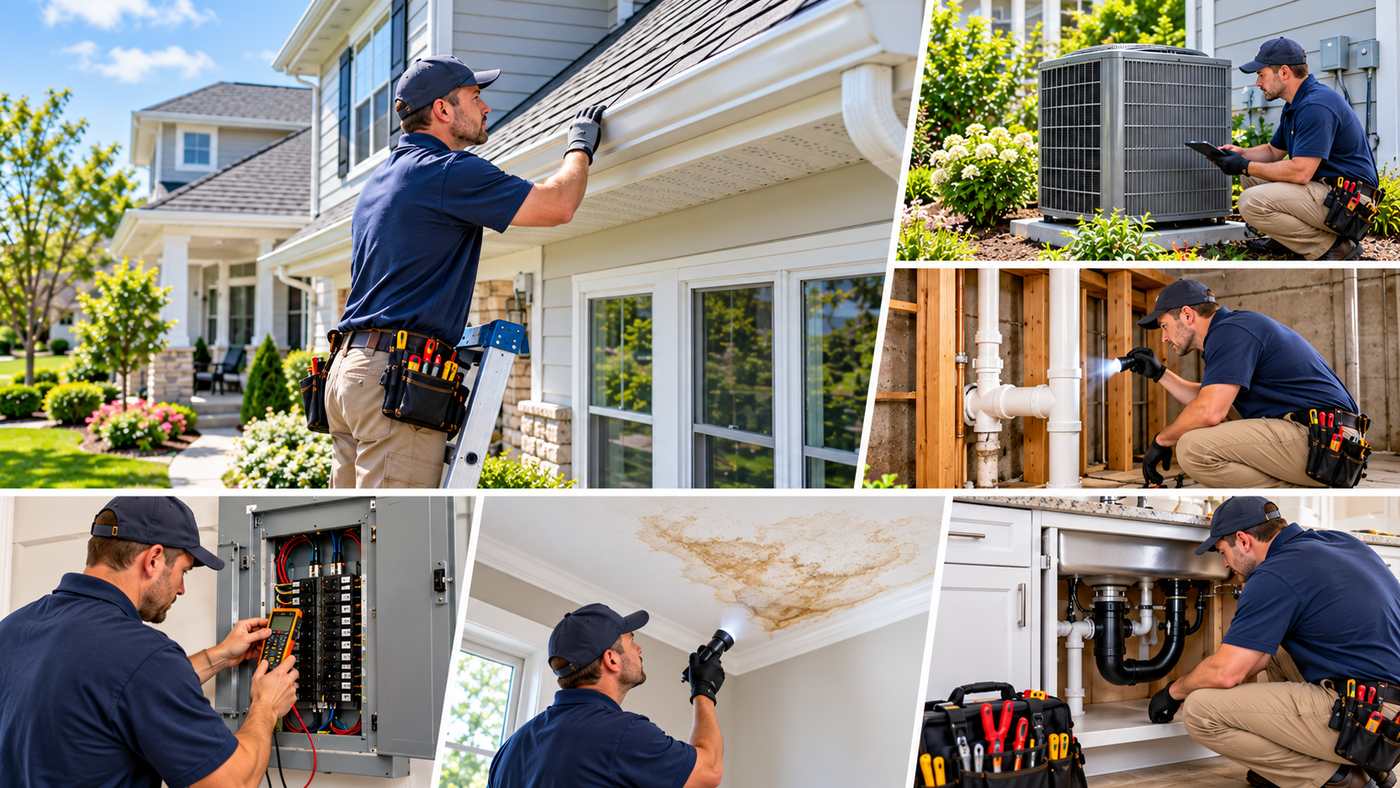
Owning a property involves more than paying the mortgage and keeping rooms clean. Small maintenance issues can gradually develop into expensive repairs when homeowners do not notice warning signs early enough. A dripping pipe can damage cabinets, clogged gutters can direct water toward the foundation, neglected HVAC equipment can become less efficient, and a minor roof problem can eventually allow moisture into ceilings and walls. A consistent maintenance routine helps homeowners identify these problems sooner and make informed decisions about when a simple repair is enough and when professional assistance is necessary.
Preventive home maintenance is not about fixing everything constantly. It is about understanding which parts of a property require regular attention and recognizing when something has changed.
The U.S. Environmental Protection Agency recommends repairing water leaks promptly and controlling moisture because persistent dampness can contribute to mold growth and building material damage.
Similarly, ENERGY STAR recommends regular HVAC maintenance because neglected equipment can experience performance problems and unnecessary operating costs.
This guide covers seven major categories of maintenance problems, the warning signs homeowners should watch for and practical steps that can help protect a property over the long term.
What Are Common Maintenance Issues in a Home?
Home maintenance problems are defects, wear or developing conditions that affect the performance, safety, comfort or condition of a property.
Some issues develop gradually.
Others appear suddenly.
A slow plumbing leak may remain unnoticed for weeks, while an electrical problem or failed water heater can create an immediate need for attention.
Common categories include:
- Plumbing leaks
- Roof and gutter problems
- HVAC maintenance problems
- Electrical concerns
- Moisture and mold
- Foundation and drainage issues
- Appliance problems
- Door and window deterioration
- Exterior maintenance
- Interior wear
Homeowners do not necessarily need to repair every issue themselves.
The more important skill is identifying when something is no longer functioning normally.
7 Powerful Ways to Prevent Costly Maintenance Issues
1. Find Plumbing Maintenance Issues Early
Plumbing problems are among the most important home maintenance concerns because water can spread beyond the original source.
A loose connection under a sink might begin with a small drip.
If the leak continues, moisture can affect cabinets, flooring, drywall and nearby structural materials.
The EPA recommends checking for leaks and addressing them promptly because water problems can contribute to mold and building damage.
Homeowners should periodically inspect visible plumbing areas.
Important locations include:
- Under kitchen sinks
- Under bathroom sinks
- Around toilets
- Behind washing machines
- Around dishwashers
- Near refrigerators with water lines
- Around water heaters
- In basements and utility rooms
Look for dampness, corrosion, stains, warped materials or unusual odors.
WaterSense also recommends monitoring water consumption because unexpectedly high usage can sometimes indicate an unidentified leak.
Maintenance Issues That May Indicate a Hidden Leak
Not every plumbing problem is visible.
Potential warning signs of hidden water leakage include:
- Ceiling discoloration
- Peeling paint
- Soft drywall
- Warped flooring
- Musty smells
- Damp cabinets
- Unexplained water usage
- Repeated moisture in the same area
A water meter can sometimes help identify unexplained water use.
The EPA WaterSense program suggests reading the water meter when no water is being used and checking it again later. Movement may indicate a possible leak.
Smart leak detectors can provide another level of protection.
Some devices detect moisture around appliances or plumbing fixtures, while more advanced systems monitor water flow and may support automatic shutoff features.
2. Prevent Roof and Gutter Maintenance Issues
The roof protects a house from weather, but even a durable roof requires periodic attention.
Loose roofing materials, damaged flashing, blocked gutters or deteriorated sealant can create pathways for water.
Roof problems may first become visible inside the home as ceiling stains or damp attic materials.
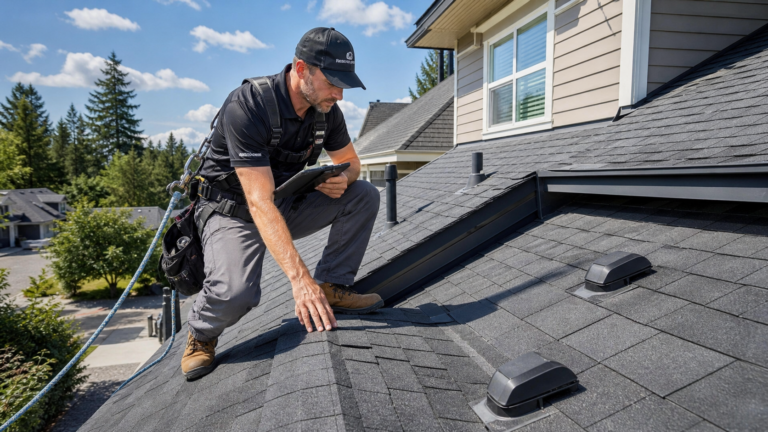
Homeowners should inspect the roof visually from a safe position and arrange professional inspection when damage is suspected.
Avoid climbing onto a roof without appropriate training and safety equipment.
Gutters deserve equal attention.
Their purpose is to collect rainwater from the roof and move it away from the building.
The EPA specifically recommends cleaning and repairing roof gutters as part of moisture prevention.
Leaves, dirt and other debris can block water movement.
When gutters overflow, water can run down exterior walls or collect near the foundation.
How Gutters Can Create Maintenance Issues
Common gutter problems include:
- Blockages
- Loose sections
- Leaking joints
- Incorrect slope
- Damaged downspouts
- Water discharging too close to the foundation
Downspouts should direct water away from vulnerable foundation areas.
If rainfall repeatedly creates puddles beside the home, drainage should be investigated.
The EPA recommends that the ground surrounding a property slope away from the foundation to reduce the chance of water entering or collecting around the building.
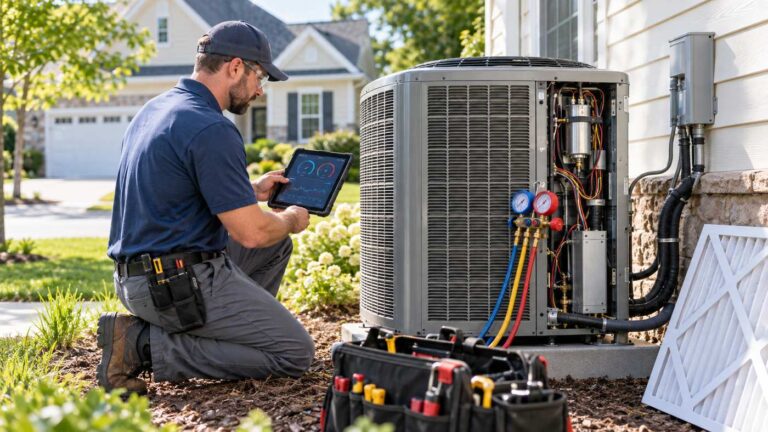
3. Address HVAC Maintenance Issues Before Equipment Fails
Heating and cooling systems operate for many hours throughout the year.
Without routine maintenance, dirt, restricted airflow and worn components can affect performance.
ENERGY STAR identifies dirt and neglect as major contributors to HVAC inefficiency and equipment problems and recommends annual professional maintenance.
For cooling systems, spring is generally a practical time for a professional inspection.
Heating systems can be checked before colder weather.
A typical professional HVAC maintenance visit may include checking thermostat settings, electrical connections, condensate drainage, system controls, coils and blower components.
Homeowners should also pay attention to changes in how the equipment operates.
HVAC Maintenance Issues Worth Investigating
Warning signs may include:
- Weak airflow
- Unusual noises
- Uneven temperatures
- Repeated cycling
- Unusual odors
- Higher energy use without an obvious reason
- Water around HVAC equipment
- Failure to maintain thermostat settings
These symptoms do not always indicate a major failure.
A dirty filter or blocked condensate line can sometimes create noticeable problems.
However, unusual electrical smells, repeated breaker trips or mechanical failures should be evaluated by qualified professionals.
ENERGY STAR recommends checking air filters regularly and cleaning or replacing them when necessary because dirty filters make the system work harder.
Why HVAC Condensate Drains Matter
Cooling systems remove moisture from indoor air.
That water needs to drain correctly.
ENERGY STAR notes that a blocked condensate drain can contribute to water damage and affect indoor humidity.
Homeowners should therefore not ignore water around an indoor HVAC unit.
The source may be relatively simple, but continuing moisture can damage surrounding materials.
4. Take Electrical Maintenance Issues Seriously
Electrical problems require careful attention because some conditions can create shock or fire risks.
Homeowners can safely observe warning signs, but electrical repairs should generally be completed by appropriately qualified professionals.
Possible warning signs include:
- Repeated circuit breaker trips
- Flickering lights
- Warm outlets
- Burning smells
- Damaged switches
- Loose electrical outlets
- Buzzing sounds
- Visible damaged wiring
Not every breaker trip means the electrical system has a serious defect.
A circuit may simply be overloaded.
However, repeated problems deserve investigation.
Older homes may also have electrical systems designed for household demands that were different from modern usage.
Today, a property may operate computers, entertainment systems, air conditioners, kitchen appliances, workshop equipment and electric vehicle charging equipment.
Before adding major electrical loads, homeowners should have the existing system evaluated when appropriate.
Electrical Maintenance Issues and DIY Repairs
Electrical work is an area where homeowners should understand their limits.
Replacing a light bulb is simple.
Opening electrical panels, modifying wiring or installing new circuits involves significantly different risks.
Qualified electricians understand electrical loads, protective devices, wiring methods and local code requirements.
Using professional help for technical electrical repairs protects both the person performing the work and the property.
5. Control Moisture Related Maintenance Issues
Moisture problems can affect many parts of a building.
Water may come from plumbing, roof leaks, basement seepage, condensation, showers, cooking or high indoor humidity.
The EPA states that moisture control is the key to controlling indoor mold growth.
When water enters the home, homeowners should identify and correct the source rather than only cleaning the visible surface.
For example, repeatedly wiping condensation from a wall does not address the reason moisture keeps returning.
The EPA recommends keeping indoor relative humidity below 60 percent when practical and identifies roughly 30 to 50 percent as an ideal range for many homes.
Humidity can be monitored with a hygrometer.
Maintenance Issues Caused by High Indoor Humidity
Excessive humidity may contribute to:
- Window condensation
- Damp walls
- Musty smells
- Moisture on cold pipes
- Mold growth
- Damage to some finishes and furnishings
Bathrooms and kitchens create significant amounts of indoor moisture.
The EPA recommends using exhaust fans or ventilation when showering and cooking and venting moisture producing appliances to the outside when appropriate.
Air conditioning and dehumidification can also help in suitable climates.
How Quickly Should Wet Materials Be Dried?
After a leak or spill, speed matters.
The EPA recommends drying wet or damp materials within approximately 24 to 48 hours when possible to reduce the chance of mold growth.
Small clean water incidents may sometimes be manageable by homeowners.
Extensive damage, contaminated water or significant mold problems can require professional assistance.
6. Watch for Foundation and Drainage Maintenance Issues
The foundation supports the property and deserves regular visual inspection.
Not every crack indicates a serious structural problem.
Concrete can develop minor cracking for several reasons.
However, new cracks, widening cracks, significant movement or recurring water entry should be evaluated.
Drainage around the foundation is especially important.
Water should move away from the building rather than collect beside exterior walls.
The EPA recommends correcting exterior drainage and grading conditions where water moves toward the home.
Homeowners should inspect the property during or shortly after heavy rainfall.
Look for:
- Standing water near the foundation
- Overflowing gutters
- Downspouts releasing water beside the house
- Basement dampness
- New cracks
- Water stains on basement walls
- Persistent musty odors
These observations can provide useful information before calling a professional.
Basement Maintenance Issues
Basements are particularly vulnerable to moisture because they are surrounded by soil.
Water may enter through cracks, joints or drainage problems.
Indoor humidity can also create condensation.
A basement maintenance routine may include:
- Inspecting foundation walls
- Checking sump pump operation
- Watching for water stains
- Monitoring humidity
- Keeping floor drains clear
- Inspecting exposed plumbing
- Confirming stored belongings remain dry
If a basement repeatedly becomes wet, the water source should be identified rather than relying only on cosmetic repairs.
Painting over a damp wall will not correct an exterior drainage or plumbing problem.
7. Prevent Appliance Maintenance Issues
Household appliances contain mechanical, electrical and sometimes plumbing components.
Regular inspection can help identify problems before an appliance stops working or damages nearby materials.
Water using appliances deserve particular attention.
Washing machines, dishwashers and refrigerators with water connections can leak.
Inspect accessible hoses and connections for damage or moisture.
Follow manufacturer instructions for maintenance and replacement schedules.
Water heaters should also be monitored.
Moisture around the base of a water heater should not be ignored.
The source could involve a connection, valve, drain or the tank itself.
Kitchen Appliance Maintenance Issues
Kitchen equipment operates in an environment containing heat, water, grease and food debris.
Routine cleaning helps appliances function normally.
For example, refrigerator coils may require cleaning according to manufacturer guidance.
Dishwasher filters may also require periodic attention.
Range hoods and exhaust systems can accumulate grease.
Always follow the manufacturer’s instructions because maintenance procedures differ by appliance.
Laundry Area Maintenance Issues
Laundry rooms combine water, drainage, heat and electricity.
Inspect:
- Washing machine hoses
- Drain connections
- Dryer vents
- Appliance electrical cords
- Moisture behind machines
Dryer vents deserve particular attention because lint accumulation can restrict airflow.
Homeowners should follow manufacturer recommendations for cleaning the lint filter and vent system.
Why Small Maintenance Issues Become Expensive
A small defect often becomes expensive when it affects additional building materials.
Consider a slow roof leak.
The original repair might involve one roof component.
If the leak continues, moisture can eventually affect insulation, drywall, paint and flooring.
The same principle applies to plumbing.
A leaking connection may initially require a simple repair, but surrounding cabinets and flooring can become damaged when water remains unnoticed.
This is why early detection matters.
Homeowners should investigate changes rather than waiting for complete failure.
Create a Home Maintenance Inspection Routine
A practical maintenance schedule does not need to be complicated.
Some items can be reviewed monthly.
Others may only need seasonal or annual attention.
| Inspection Area | What to Review |
|---|---|
| Plumbing | Leaks, stains, corrosion and water pressure changes |
| HVAC | Filters, airflow, noises and professional servicing |
| Roof | Visible damage and signs of interior leakage |
| Gutters | Debris, drainage and downspout condition |
| Basement | Moisture, cracks, odors and sump equipment |
| Electrical | Damaged outlets, unusual smells and breaker problems |
| Appliances | Hoses, drains, filters and manufacturer maintenance |
| Exterior | Drainage, siding, sealant and foundation condition |
Keeping simple records can help.
A homeowner who documents when the HVAC system was serviced or when a leak was repaired has a clearer maintenance history.
Maintenance Issues Homeowners Can Handle Themselves
Some maintenance tasks are relatively straightforward.
Examples may include:
- Replacing HVAC filters
- Cleaning accessible gutters safely
- Checking under sinks for leaks
- Cleaning appliance filters
- Testing leak detectors
- Monitoring humidity
- Removing debris around outdoor HVAC equipment
- Inspecting visible sealant
Homeowners should still follow safety precautions.
Working at heights, handling electrical systems or dealing with gas appliances requires additional expertise.
Maintenance Issues That Usually Need Professional Help
Professional assistance may be appropriate when a problem involves:
- Electrical wiring
- Gas equipment
- Major roof damage
- Structural movement
- Extensive water damage
- Refrigerant systems
- Hidden plumbing leaks
- Significant mold contamination
- Sewer problems
- Major foundation concerns
Attempting an unfamiliar repair can sometimes make the problem more expensive.
When safety or structural integrity is involved, professional evaluation is generally the better approach.
How Preventive Maintenance Can Reduce Unexpected Repairs
Preventive maintenance cannot eliminate every future repair.
Appliances age.
Roofing materials deteriorate.
Mechanical equipment eventually wears out.
However, routine inspections can reduce the chance that a developing problem remains unnoticed.
ENERGY STAR recommends annual HVAC maintenance specifically to help equipment continue operating effectively and reduce avoidable problems.
The EPA similarly encourages regular leak checks and quick repairs for water using fixtures and systems.
The principle is simple.
Find problems while they are manageable.
Warning Signs You Should Never Ignore
Some property changes deserve prompt attention.
These include:
- Water suddenly appearing indoors
- Burning smells
- Repeated electrical breaker trips
- Significant new cracks
- Strong sewage odors
- Persistent mold growth
- Rapidly worsening ceiling stains
- HVAC equipment repeatedly shutting down
- Standing water around the foundation
- Gas odors
If a condition creates an immediate safety hazard, leave the affected area and contact the appropriate emergency or qualified service provider.
How to Prioritize Multiple Maintenance Issues
Homeowners sometimes discover several problems at once.
Prioritize according to risk.
Safety related problems should come first.
Active water leaks should also receive quick attention because damage can spread.
After that, address problems affecting structural integrity or critical systems such as heating, cooling, plumbing and electrical equipment.
Cosmetic problems can usually be scheduled later.
A useful priority order is:
- Immediate safety concerns
- Active water intrusion
- Structural problems
- Electrical and mechanical failures
- Preventive repairs
- Cosmetic improvements
This approach helps direct money toward problems that could create the greatest consequences if ignored.
Frequently Asked Questions
What are the most common maintenance issues in a home?
Common problems include plumbing leaks, roof damage, clogged gutters, HVAC issues, electrical concerns, appliance failures, moisture problems and drainage around foundations.
How often should homeowners check for maintenance issues?
Basic visual checks can be performed regularly, while larger systems such as HVAC equipment should generally receive seasonal or annual attention according to manufacturer and professional recommendations.
Can maintenance issues cause mold?
Yes. Leaks, condensation and persistent humidity can create the moisture mold needs to grow. The EPA recommends fixing moisture sources and drying wet materials promptly.
How often should HVAC systems receive maintenance?
ENERGY STAR recommends annual preseason professional checkups, typically cooling equipment before summer and heating equipment before winter.
How can I identify hidden plumbing maintenance issues?
Watch for water stains, musty odors, warped materials and unexplained water use. Monitoring your water meter or using leak detection equipment may also help identify problems.
Which maintenance issues should be repaired first?
Address immediate safety hazards, active water leaks, structural problems and major electrical or mechanical failures before cosmetic maintenance.
Conclusion
Maintenance issues are easier to manage when homeowners identify them before they affect multiple parts of the property. Regular checks of plumbing, roofing, gutters, HVAC equipment, electrical systems, appliances and drainage can reveal warning signs while problems are still relatively manageable. A consistent maintenance routine, prompt repairs and professional help for technical or safety related work can protect both the condition and long term usability of a home