Venetian Blinds for Stylish Privacy and Flexible Light Control
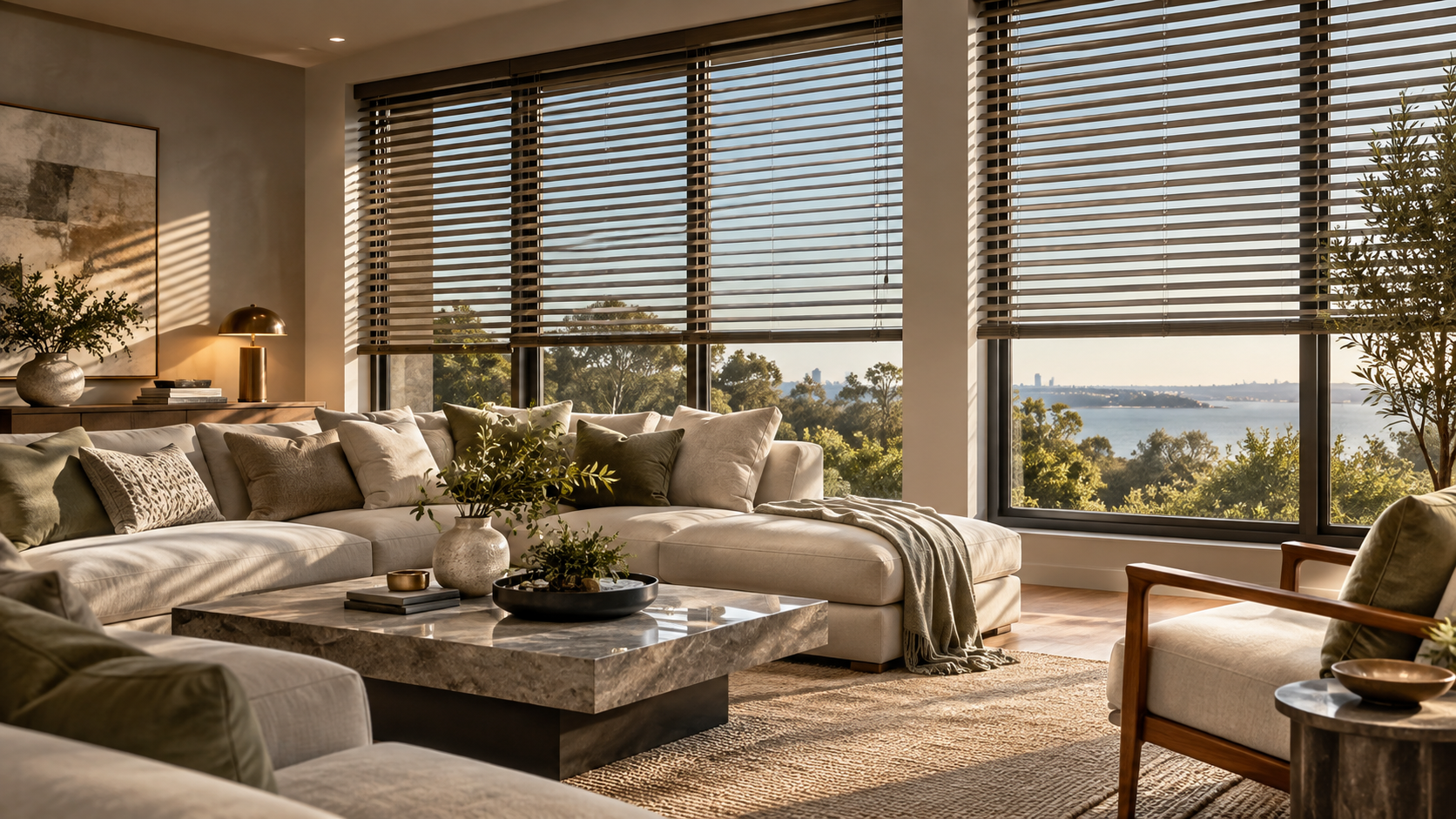
Venetian blinds remain one of the most practical and adaptable window covering options for homes, offices, apartments, shops, and other interiors. Their horizontal slats can be tilted to control sunlight, improve privacy, reduce glare, and change the atmosphere of a room without completely blocking natural light. Available in materials such as aluminium, real wood, and faux wood, they can suit modern, traditional, minimal, and professional spaces while offering a level of control that many fixed window treatments cannot provide.
Choosing the right blinds is not simply about selecting a colour that matches the room. Slat material, width, window size, moisture levels, cleaning requirements, installation position, and daily use all affect how well the final window treatment performs.
A carefully selected blind can improve both the appearance and practicality of a room for years.
What Are Venetian Blinds?
Venetian blinds are window coverings made from horizontal slats arranged one above another.
These slats are connected by cords, tapes, or internal mechanisms that allow them to move together.
The user can normally perform two main actions.
The first is raising or lowering the entire blind.
The second is tilting the slats.
Tilting changes the angle of incoming light and the amount of visibility through the window.
This simple design makes Venetian blinds highly flexible.
Instead of choosing only between an open or closed window covering, users can adjust the slats gradually throughout the day.
How Venetian Blinds Control Light
When the slats are almost horizontal, more daylight can enter.
When the slats are tilted, sunlight becomes more restricted.
Closing the slats further can provide greater privacy and reduce glare.
The direction of the tilt can also change how light enters the room.
This is especially useful in spaces where sunlight shifts during the day.
Bedrooms may need more privacy in the evening, while offices may need glare control around computer screens during working hours.
Why Venetian Blinds Remain Popular
Window covering trends change, but Venetian blinds continue to be widely used because their design solves several practical problems at once.
They provide light control, privacy, a clean appearance, and relatively straightforward maintenance.
Flexible Privacy
Curtains generally provide privacy by being open or closed.
Venetian blinds offer more control.
The slats can be angled so that daylight enters while direct visibility from outside is reduced.
This feature is particularly useful for ground floor rooms and properties close to neighbouring buildings or busy streets.
Adjustable Natural Light
Natural light can make interiors feel more comfortable and spacious, but too much direct sunlight may create glare or discomfort.
Adjustable slats let users decide how much light enters.
This can make Venetian blinds useful in:
• Bedrooms
• Living rooms
• Kitchens
• Home offices
• Commercial offices
• Meeting rooms
• Studies
• Shops
Clean Interior Appearance
Venetian blinds sit neatly within or around the window area.
They can create a more structured appearance than some fabric window treatments.
Slim aluminium blinds often work well in contemporary spaces, while wood and wood effect blinds can create a warmer visual style.
7 Brilliant Ways Venetian Blinds Can Improve a Room
The benefits of these blinds go beyond simply covering a window.
1. Control Daylight More Precisely
One of the biggest advantages is the ability to adjust light throughout the day.
Morning sunlight may be welcome in a kitchen but uncomfortable on a computer screen.
Afternoon light may produce glare in a living room.
Instead of closing the window completely, the slats can be tilted until the light becomes comfortable.
This makes the room easier to use without unnecessarily darkening it.
2. Improve Everyday Privacy
Privacy is important in bedrooms, bathrooms, offices, and street facing living spaces.
Venetian blinds allow the user to control visibility without always blocking natural light.
The exact level of privacy depends on slat position, lighting conditions, window height, and viewing angle.
At night, when interior lights are brighter than outdoor surroundings, users should close the slats fully if stronger privacy is required.
3. Match Different Interior Styles
Venetian blinds are available in many materials and finishes.
This means the same basic window covering can suit very different spaces.
For example:
• White aluminium can suit minimal interiors
• Black blinds can create a stronger modern contrast
• Natural wood can add warmth
• Dark wood can suit traditional furniture
• Faux wood can create a timber appearance with easier moisture resistance
• Neutral shades can blend into walls and window frames
The final choice should complement the wider room rather than being considered separately.
4. Reduce Screen Glare
Home offices and workplaces often experience sunlight reflecting from screens.
This can make monitors harder to use.
Tilting the slats can redirect direct sunlight while still allowing the room to benefit from daylight.
This is one reason Venetian blinds are commonly considered for professional environments.
5. Provide Easy Everyday Adjustment
Many window treatments require the entire covering to be opened or closed.
Venetian blinds give the user more options.
You can:
• Raise them completely
• Lower them fully
• Lower them halfway
• Open the slats
• Partially tilt the slats
• Close the slats
This range makes them suitable for rooms used differently throughout the day.
6. Work With Many Window Sizes
Venetian blinds are available in many standard and made to measure sizes.
This makes them suitable for small windows, standard residential windows, larger office glazing, and many other applications.
Accurate measuring is essential because poor sizing can affect appearance and usability.
7. Offer Practical Maintenance
Unlike many heavy fabric window treatments, blinds generally do not need to be removed for routine cleaning.
Dust can normally be removed directly from the slats.
The correct cleaning method depends on the material.
This can make them a practical option for busy homes and workplaces.
Types of Venetian Blinds
Material choice has a major influence on appearance, weight, moisture resistance, cleaning, and price.
Aluminium Venetian Blinds
Aluminium is one of the most common materials used for Venetian blinds.
The slats are thin and lightweight, which creates a clean and modern look.
Advantages of Aluminium
Aluminium blinds can offer:
• Lightweight construction
• Wide colour selection
• Slim slats
• Easy cleaning
• Modern appearance
• Suitability for many rooms
They are often selected for offices, kitchens, bathrooms, and contemporary homes.
Things to Consider
Thin aluminium slats can bend if handled roughly.
Care should therefore be taken during cleaning and daily use.
Users should avoid pulling individual slats unnecessarily.
Wooden Venetian Blinds
Real wood brings natural colour and texture into a room.
Wooden blinds can complement timber furniture, flooring, doors, and traditional interiors.
Why Choose Wooden Venetian Blinds?
Potential advantages include:
• Natural appearance
• Warm visual character
• Strong decorative impact
• Variety of stains and finishes
• Suitability for living spaces and bedrooms
Each timber finish can create a different effect.
Light shades can make a room feel brighter, while darker stains can create a richer and more formal look.
Moisture Considerations
Real wood should generally be treated carefully in areas with high humidity or frequent water exposure.
Repeated moisture can affect some wooden materials.
For bathrooms, utility rooms, or areas near sinks, alternative materials may be more practical.
Faux Wood Venetian Blinds
Faux wood blinds are designed to provide the appearance of timber using alternative materials.
They can be useful in rooms where users want a wood effect but require a surface that is easier to manage around moisture.
Where Faux Wood Works Well
Common locations include:
• Kitchens
• Bathrooms
• Utility rooms
• Family rooms
• Busy residential areas
The exact performance depends on the product, so buyers should still check the manufacturer guidance.
Choosing the Right Slat Width
Slat width affects both style and functionality.
Narrow slats create more horizontal lines across the window.
Wider slats create a more open appearance.
Narrow Slats
Narrow slats can work well on smaller windows or where a detailed contemporary look is preferred.
They may also resemble classic aluminium blind designs.
Wider Slats
Wider slats are often used with wood and faux wood blinds.
They can create a stronger visual statement and may allow a clearer outside view when opened.
The ideal width depends on window size and interior style.
Venetian Blinds Should Match Window Proportions
A very wide slat on a small window may appear visually heavy.
Very narrow slats on a large window can create many horizontal lines.
Looking at samples before ordering can help buyers understand the final appearance.
Venetian Blinds for Living Rooms
Living rooms often need a balance between natural light and privacy.
Venetian blinds work well because users can adjust them depending on the time of day.
During daylight hours, slats can be opened to brighten the room.
When direct sunlight becomes uncomfortable, they can be tilted.
In the evening, they can be closed for privacy.
Choosing a Living Room Finish
Consider existing elements such as:
• Flooring
• Sofa colour
• Wall colour
• Furniture
• Window frames
• Lighting
• Decorative accessories
The blinds do not need to match every surface exactly.
A complementary contrast can often create a more interesting result.
Venetian Blinds for Bedrooms
Bedrooms benefit from privacy and flexible light control.
Venetian blinds can reduce incoming light, but users should understand that many standard designs do not produce complete blackout conditions.
Small gaps may remain between slats or around the edge of the blind.
People who need a very dark sleeping environment may combine blinds with blackout curtains or choose another purpose designed blackout solution.
Bedroom Privacy
Closing the slats can provide strong visual privacy.
This is particularly useful for bedrooms facing streets, paths, neighbouring properties, or shared outdoor spaces.
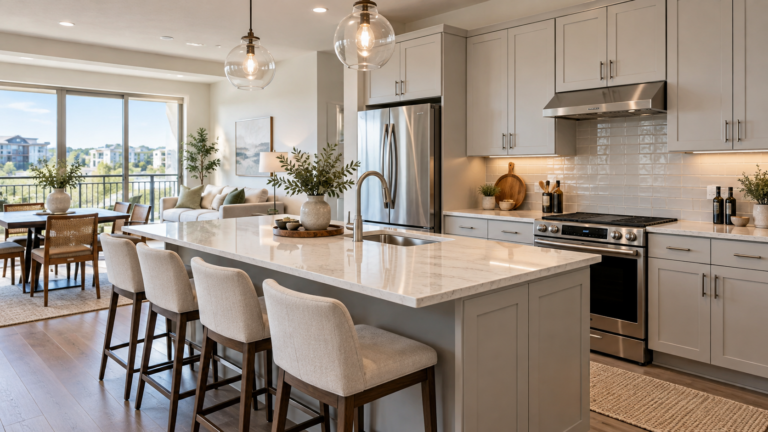
Venetian Blinds for Kitchens
Kitchens require practical window treatments because cooking can create moisture, steam, and airborne residue.
Materials that can be wiped clean may be easier to maintain than some fabric options.
Aluminium and suitable faux wood blinds are often considered for this reason.
Avoid placing blinds dangerously close to open flames or high heat sources.
Always consider the window position and kitchen layout.
Venetian Blinds for Bathrooms
Bathrooms often experience high humidity.
Material selection is therefore important.
Real wood may not be ideal in many moisture heavy environments.
Suitable aluminium or moisture resistant faux wood can be more practical.
Buyers should confirm that the specific blind is appropriate for bathroom use.
Venetian Blinds for Home Offices
Working from home has made glare control increasingly important.
Direct sunlight on a monitor can make work uncomfortable.
Adjusting the slats allows users to change the angle of light without turning the room dark.
This can also help maintain privacy during video calls.
Neutral finishes often work well in professional looking home offices.
How to Measure for Venetian Blinds
Accurate measurements are essential.
The correct approach depends on whether the blind will sit inside the window recess or outside it.
Inside Recess Measurement
For an inside recess installation, measure the width and height of the recess carefully.
Because window openings may not be perfectly square, measurements should normally be taken at multiple points.
Follow the supplier instructions regarding which measurement to submit and whether any deductions will be made automatically.
Outside Recess Measurement
An outside recess blind covers an area larger than the window opening.
This can help reduce side gaps and can create a stronger visual presence.
The user decides how much overlap is required around the window.
Always follow the specific measuring guidance provided by the blind supplier.
Inside or Outside Recess Installation
Both options can look attractive.
The right choice depends on the window and desired appearance.
Inside Recess
Benefits may include:
• Clean integrated appearance
• Window frame remains visible
• Blind sits neatly within the opening
However, the recess needs sufficient depth.
Window handles or other obstructions may also affect fitting.
Outside Recess
This method can:
• Cover more of the window area
• Reduce visible gaps
• Hide unattractive recess edges
• Make a window appear larger
The best installation position depends on the property.
How to Clean Venetian Blinds
Routine cleaning can help prevent heavy dust buildup.
Light Dusting
For regular cleaning, use a soft microfibre cloth or suitable duster.
Close the slats in one direction and clean across them.
Then change the angle and repeat on the other side.
Deeper Cleaning
For suitable materials, a lightly damp cloth may be used.
Avoid soaking mechanisms, cords, or wooden slats.
Cleaning products should be compatible with the blind material.
Strong chemicals can damage finishes.
Cleaning Wooden Blinds
Wooden blinds should generally be cleaned with minimal moisture.
Use a soft dry or slightly damp cloth according to the manufacturer’s instructions.
Excess water can affect timber.
Common Venetian Blinds Mistakes to Avoid
Simple mistakes can reduce both appearance and lifespan.
Ordering the Wrong Size
Incorrect measurements can cause:
• Poor fit
• Large light gaps
• Difficulty operating the blind
• Uneven appearance
Measure carefully before ordering.
Choosing the Wrong Material
A beautiful material may not be appropriate for every room.
For example, moisture conditions should be considered before choosing real wood for a bathroom.
Pulling Cords Aggressively
Operating mechanisms should be used smoothly.
Jerking cords can place unnecessary strain on internal components.
Allowing Dust to Build Up
Large amounts of dust take longer to remove.
Light regular cleaning is usually easier.
Ignoring Child Safety
Blind cords can create serious risks for young children.
Window coverings should be installed and used in accordance with current safety instructions and supplied safety devices.
Cords and chains must be kept safely out of children’s reach.
How to Choose the Right Colour
Colour has a major impact on the final appearance.
White and Light Colours
Light blinds can help maintain a bright, clean interior.
They often blend well with pale walls and white window frames.
Dark Colours
Black, charcoal, and dark brown can create stronger contrast.
They work well in modern interiors where the blind is intended to become a design feature.
Natural Wood Tones
Wood finishes can complement warm interiors.
Consider the undertones of flooring and furniture when choosing the finish.
Exact matching is not always necessary.
Are Venetian Blinds Energy Efficient?
Window coverings can influence comfort by reducing direct sunlight and providing an additional layer at the window.
However, Venetian blinds should not be treated as a replacement for properly insulated windows.
When closed or tilted, they may help reduce direct solar gain and glare.
Their actual effect depends on material, colour, window type, installation, and conditions.
For properties with major heat loss or overheating problems, window performance should be considered as part of the wider building design.
How Long Do Venetian Blinds Last?
There is no fixed lifespan.
Durability depends on:
• Material quality
• Installation
• Frequency of use
• Cleaning
• Exposure to moisture
• Direct sunlight
• Operating mechanism
• Handling
Good quality blinds that are correctly fitted and maintained may remain serviceable for many years.
Mechanisms and cords often experience more wear than the slats themselves.
Ready Made Versus Made to Measure Venetian Blinds
Both options can be suitable depending on the project.
Ready Made Blinds
Ready made products may be useful for standard window sizes and tighter budgets.
However, the available dimensions may not perfectly match every window.
Made to Measure Blinds
Made to measure products are produced according to the specified window dimensions.
This can provide a more tailored appearance.
They may be particularly useful for unusual or non standard windows.
Accurate measuring remains essential.
How to Make Venetian Blinds Look More Expensive
The overall result depends on more than price.
A few design decisions can improve appearance considerably.
Choose a colour that complements the room.
Measure accurately.
Avoid overcrowding the window with unnecessary accessories.
Keep slats clean and aligned.
Select a slat width that suits the size of the window.
Install the blind level.
Coordinate the finish with important elements such as flooring, window frames, and furniture.
A simple well fitted blind can often look better than a more expensive product installed poorly.
Frequently Asked Questions
What are Venetian blinds?
Venetian blinds are window coverings made from adjustable horizontal slats that can be raised, lowered, and tilted to control light and privacy.
Are Venetian blinds suitable for bedrooms?
Yes. They provide adjustable light and strong privacy, although standard designs may not create complete blackout conditions.
Which Venetian blinds are best for bathrooms?
Suitable aluminium or moisture resistant faux wood blinds are often practical choices because bathrooms usually experience higher humidity.
Are wooden Venetian blinds easy to clean?
Yes, but they should normally be dusted gently and cleaned with minimal moisture to avoid affecting the wood or finish.
Can Venetian blinds reduce sunlight glare?
Yes. Tilting the horizontal slats can redirect direct sunlight and reduce glare, making them useful for living rooms, offices, and study areas.
Should Venetian blinds be fitted inside or outside the window recess?
Either method can work. Inside recess fitting gives a neat integrated look, while outside fitting can provide greater window coverage and reduce visible edge gaps.
Conclusion
Venetian blinds combine practical light control, adjustable privacy, easy maintenance, and a wide range of materials and colours in one versatile window treatment. The best results come from choosing a material suited to the room, measuring carefully, selecting the right slat width, and maintaining the blinds properly. Whether used in a bedroom, kitchen, living room, bathroom, or office, well chosen Venetian blinds can improve both the appearance and everyday usability of the space.