Car Covers from Classic Additions: Choosing the Right Protection for Your Vehicle
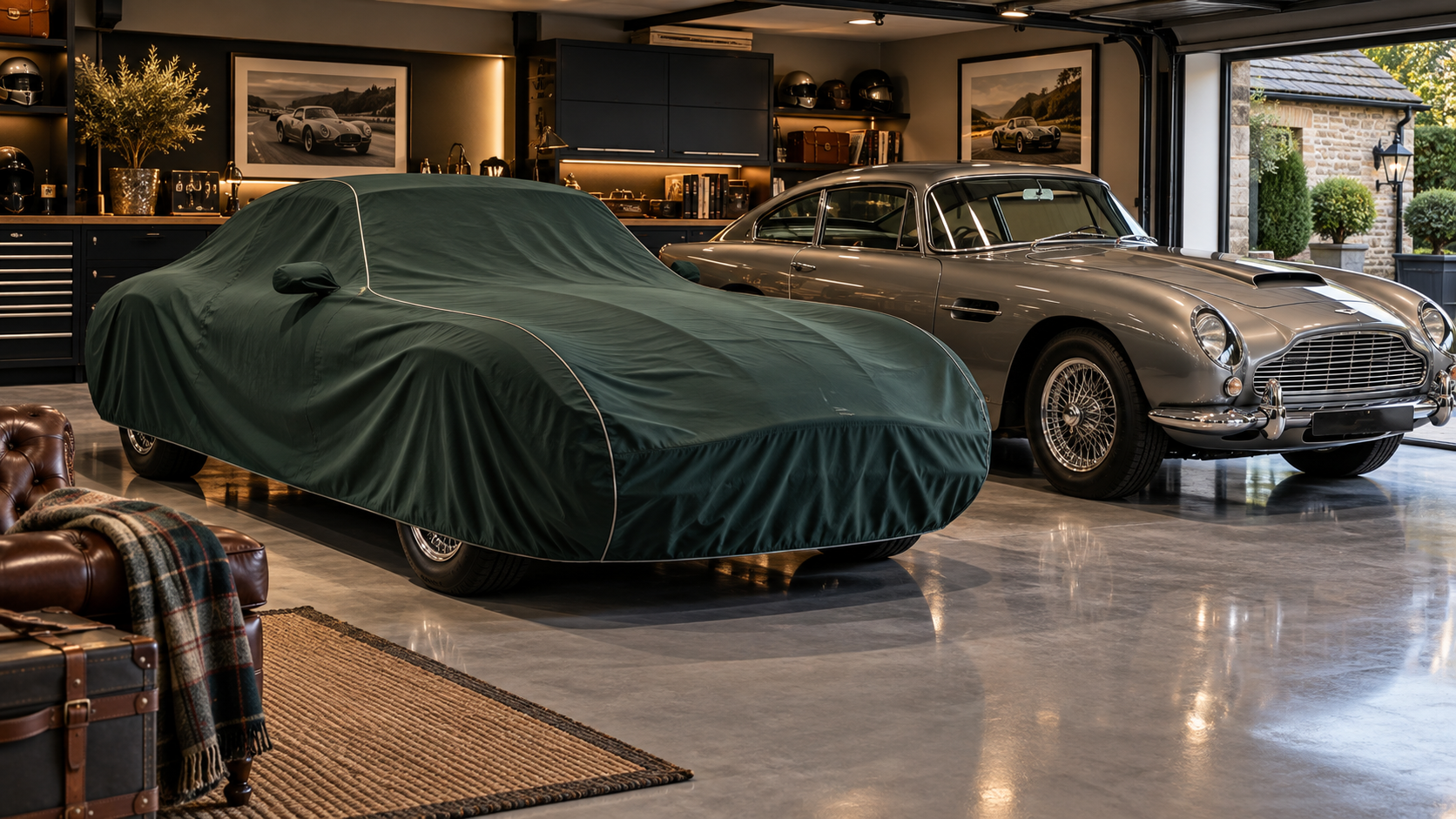
car covers from Classic Additions are designed for owners who want an additional layer of protection for classic cars, sports cars, prestige vehicles, modern daily drivers, and cars kept in long term storage. The right cover can help shield a vehicle from dust, light contact, environmental moisture, sunlight, rain, and other storage related exposure depending on whether an indoor or outdoor product is selected. Classic Additions currently offers options ranging from soft stretch indoor covers to individually tailored indoor and outdoor covers, making it important to match the product to the vehicle, storage environment, frequency of use, and level of protection required.
A car cover may appear to be a simple accessory.
In reality, choosing the wrong one can create inconvenience or provide less protection than expected.
An indoor vehicle stored in a clean garage has different needs from a classic car parked outside throughout the British winter.
A weekend sports car may need a soft fitted cover that protects polished paint from dust.
A vehicle kept outdoors may require stronger resistance to rain, wind, ultraviolet exposure, dirt, and changing weather conditions.
Understanding these differences is the first step toward selecting a suitable cover.
What Are Car Covers from Classic Additions?
Classic Additions is a specialist car and motorcycle cover supplier with a history dating back to 1989. The company describes its range as including tailored, custom made, stretch, indoor, and outdoor protective covers, with bespoke manufacturing carried out in the UK.
Its current product range includes options such as:
• Custom indoor car covers
• Super Soft Stretch indoor car covers
• Custom outdoor car covers
• Other vehicle specific protective cover options
Different products are designed for different storage conditions.
The most important distinction is usually whether the vehicle is stored indoors or outdoors.
Why Car Cover Type Matters
A cover designed for a garage does not automatically provide suitable protection outdoors.
Indoor covers generally prioritize:
• Softness
• Dust protection
• Breathability
• Paint friendly contact
• Attractive fitted appearance
Outdoor covers must deal with additional conditions such as:
• Rain
• Wind
• Ultraviolet exposure
• Bird contamination
• Tree debris
• Dust
• Changing temperatures
• Atmospheric moisture
Using the correct type of cover is therefore more important than simply choosing the thickest material.
7 Smart Tips for Choosing Car Covers from Classic Additions
The following considerations can help vehicle owners select a cover that suits both the car and its storage environment.
1. Choose Car Covers from Classic Additions Based on Storage Location
The first question should be simple.
Where is the vehicle normally stored?
Indoor Storage
A vehicle parked inside a garage usually needs protection from:
• Dust
• Light scratches
• Accidental contact
• Damp atmospheric conditions
• Storage marks
An indoor cover does not need the heavy weather resistance required outdoors.
Instead, softness and breathability become major priorities.
Outdoor Storage
Outdoor vehicles face more aggressive conditions.
The cover should be suitable for exposure to:
• Rain
• Wind
• Sunlight
• Dirt
• Bird droppings
• Tree sap
• Leaves
• Frost
• Environmental contamination
Classic Additions currently describes its custom outdoor cover as a breathable and waterproof tailored option intended specifically for outdoor vehicle protection.
Car Covers from Classic Additions Should Match Real Conditions
Do not choose a cover based only on appearance.
A beautiful indoor stretch cover may look excellent in a garage but is not intended to replace a purpose built outdoor cover.
Similarly, a heavy outdoor product may be unnecessary for a car stored permanently inside a dry controlled garage.
Match the product to the environment first.
2. Decide Between Universal, Stretch, and Custom Fit
Fit influences both appearance and performance.
Car covers generally fall into several broad categories.
Standard Sized Covers
A standard sized cover is produced in predefined dimensions.
Different sizes can accommodate groups of vehicles with roughly similar shapes.
Advantages can include:
• Lower cost
• Faster availability
• Easier replacement
• Flexibility across similar vehicles
The disadvantage is that the fit may not follow every body contour precisely.
Stretch Fit Covers
Stretch covers use flexible fabric to conform more closely to the car.
Classic Additions describes its Super Soft Stretch Indoor Car Cover as a soft, stretchable indoor option designed to provide a fitted appearance without moving into the fully bespoke price category.
Stretch designs can work particularly well for:
• Sports cars
• Coupes
• Modern classics
• Prestige vehicles
• Garage stored cars
The flexible material follows body lines more closely than a loose universal cover.
Custom Made Covers
A custom cover is tailored specifically for a particular vehicle.
Classic Additions states that its custom indoor covers are individually manufactured to the specifications of the vehicle.
A bespoke option may provide:
• More precise fit
• Better mirror accommodation
• Cleaner appearance
• Reduced excess material
• Vehicle specific proportions
Custom manufacturing can cost more, but owners of valuable or unusual vehicles may consider the fit worthwhile.
3. Consider the Paint Surface Before Fitting a Cover
A car cover sits directly against the vehicle.
This means paint condition matters.
Even a very soft material can trap contamination against the surface if the vehicle is dirty.
Before fitting an indoor cover, ideally ensure the vehicle is reasonably clean.
Why Dirt Matters
Small particles can include:
• Road dust
• Sand
• Dried mud
• Brake dust
• Environmental grit
When material moves against these particles, they can potentially create fine marks.
This is particularly important for dark paint colours where minor surface imperfections may be easier to see.
Avoid Covering a Heavily Contaminated Car
If a car has just completed a long journey through poor weather, applying a tight indoor cover immediately may not be ideal.
Clean the vehicle first where practical.
For outdoor covers, follow the manufacturer’s instructions regarding whether the specific cover can be fitted to a wet or dry vehicle.
Different materials have different requirements.
4. Look for Breathability in Car Covers from Classic Additions
Moisture management is an important feature of vehicle storage.
A cover should not simply trap dampness indefinitely against the car.
Breathable materials allow moisture vapour to move through the fabric.
Classic Additions and retailers carrying its indoor products describe breathability as a core characteristic of several of its cover ranges.
Why Breathability Matters
Cars can encounter moisture from:
• Humid air
• Condensation
• Temperature changes
• Damp garages
• Residual water
• Outdoor weather
Trapped moisture can create undesirable storage conditions.
Good ventilation around the vehicle remains important even when using a breathable cover.
A Car Cover Does Not Fix a Damp Garage
If a garage has serious water leaks or persistent dampness, the underlying environmental problem should still be addressed.
A cover can provide additional vehicle protection, but it should not be treated as a substitute for a dry and properly ventilated storage space.
5. Think About How Often the Cover Will Be Removed
Some cars remain stored for months.
Others are driven every weekend.
Frequency of use affects which cover feels practical.
Frequent Use
For a car driven regularly, owners may prefer a cover that is:
• Lightweight
• Easy to remove
• Easy to refit
• Compact to store
• Simple to position
A soft stretch indoor product can be convenient where the vehicle is frequently uncovered.
Long Term Storage
Longer storage periods may justify greater attention to:
• Fit
• Dust protection
• Breathability
• Full body coverage
• Secure positioning
• Paint friendly lining
The ideal balance depends on how often the vehicle needs to be accessed.
Consider Storage Space for the Cover
A large outdoor cover can occupy more storage space when removed.
Before buying, think about where the cover will be kept when the car is being driven.
Keeping the cover clean is also important.
Placing a clean interior surface directly onto a dirty garage floor before refitting can transfer contamination to the vehicle.
6. Check Outdoor Security and Wind Resistance
Wind is one of the biggest challenges for outdoor vehicle covers.
A loose cover can move significantly during poor weather.
Repeated movement can reduce protection and may create unnecessary contact with the paint.
Secure Fit Matters Outdoors
Depending on the cover design, securing features may include:
• Elasticated sections
• Underbody straps
• Stretch material
• Vehicle specific shaping
• Close fitting edges
Classic Additions outdoor products are designed with secure fit and weather protection in mind, while current customer feedback also frequently discusses fit and ease of use.
Check the Cover After Severe Weather
After strong wind, inspect the vehicle and cover.
Confirm that:
• Cover remains correctly positioned
• Fastenings remain secure
• No debris has become trapped
• Fabric is not damaged
• Sharp objects have not contacted the car
Outdoor protection still benefits from periodic inspection.
7. Consider Long Term Value Rather Than Price Alone
A car cover protects something considerably more expensive than the cover itself.
For owners of classic, collectible, luxury, performance, or restored cars, the lowest priced option may not provide the most appropriate ownership experience.
Compare:
• Material
• Fit
• Breathability
• Intended environment
• Construction quality
• Ease of use
• Vehicle compatibility
• Warranty
• Replacement availability
Custom Covers Can Make Sense for Special Cars
A tailored product can be particularly appealing for:
• Rare classics
• Restored vehicles
• Collector cars
• Performance models
• Cars with unusual proportions
• Vehicles stored for exhibitions
Owners who have invested significant time in paint correction, restoration, detailing, or preservation may place greater value on precise fit and soft materials.
Indoor Car Covers from Classic Additions
Indoor covers focus primarily on protecting vehicles stored in enclosed environments.
Potential benefits include protection from:
• Dust
• Minor accidental contact
• Storage grime
• Atmospheric contamination
• Light garage debris
A clean garage can still accumulate dust over weeks or months.
Without a cover, dust settles directly on paint, trim, glass, and interior surfaces visible through the windows.
Super Soft Stretch Indoor Covers
The Super Soft Stretch range uses flexible fabric designed to conform to the vehicle.
Its current descriptions emphasize:
• Soft fleece style lining
• Stretch construction
• Breathability
• Lightweight handling
• Fitted appearance
• Elasticated areas
• Mirror accommodation
These characteristics make it especially relevant for owners looking for a close fitting indoor storage cover.
Custom Indoor Covers
Classic Additions also offers fully bespoke indoor covers.
These are individually tailored rather than relying only on standard size categories.
Custom covers can appeal to owners seeking a more tailored presentation.
They may be particularly attractive in:
• Private collections
• Show garages
• Dealership display areas
• Long term classic storage
• Specialist vehicle facilities
Outdoor Car Covers from Classic Additions
Outdoor storage creates a more demanding environment.
A suitable outdoor cover must balance weather resistance with breathability.
Classic Additions currently describes its custom outdoor cover as a tailored, breathable, waterproof product using a multilayer construction designed for outdoor protection.
Outdoor Protection Priorities
An outdoor car cover should help manage exposure to:
• Rain
• Ultraviolet light
• Dirt
• Leaves
• Bird contamination
• Tree debris
• Frost
• Wind
However, no cover eliminates the need for normal vehicle care.
The vehicle should still be checked periodically.
Car Covers for Classic Cars
Classic cars often spend more time stored than modern daily drivers.
This makes storage conditions particularly important.
Older vehicles may also contain materials that owners want to preserve carefully.
These can include:
• Original paint
• Chrome
• Leather
• Vinyl
• Rubber seals
• Historic trim
A breathable indoor cover can help keep a stored classic cleaner between drives.
Protecting a Restored Classic
A restored car may have received:
• New paint
• Polished chrome
• Interior restoration
• Detailed engine bay
• Wheel refurbishment
• Paint correction
A suitable cover helps maintain presentation while the vehicle is not being used.
Car Covers for Sports and Performance Cars
Sports cars often have complex body shapes.
These may include:
• Wide arches
• Large mirrors
• Rear spoilers
• Low bumpers
• Aerodynamic extensions
This is where careful sizing becomes particularly important.
A cover intended for a generic saloon may not sit correctly over a low performance coupe.
Consider Modifications
Tell the supplier if the vehicle has substantial changes such as:
• Large rear wing
• Body kit
• Modified mirrors
• Wider bodywork
• Roof equipment
• Non standard aerodynamic parts
A cover designed around the original factory body may fit differently after significant modification.
Car Covers for Luxury Vehicles
Luxury vehicle owners often place strong emphasis on appearance and paint condition.
An indoor cover can help maintain presentation between drives.
Important priorities may include:
• Soft inner contact
• Precise fit
• Breathability
• Easy removal
• Attractive finish
A custom cover can also contribute to the presentation of a private garage or collection.
Measuring and Choosing the Correct Fit
When using a sized rather than fully bespoke cover, check the manufacturer’s vehicle recommendations or dimensions carefully.
Important dimensions can include:
• Vehicle length
• Width
• Height
• Mirror width
• Body style
Never choose solely from broad categories such as small or medium without confirming vehicle compatibility.
How to Fit a Car Cover Correctly
Correct fitting helps protect both the vehicle and the cover.
A simple indoor routine can include:
Step One
Make sure the car is suitably clean.
Step Two
Identify the front and rear of the cover.
Step Three
Place the cover gently over the roof area.
Step Four
Work progressively toward the front and rear.
Step Five
Position mirrors correctly where pockets are provided.
Step Six
Pull the lower edges into their intended position.
Step Seven
Check that fabric is not excessively stretched across sharp accessories.
Avoid dragging the entire cover across the paint unnecessarily.
How to Remove and Store the Cover
Removal should also be controlled.
Rather than pulling the cover onto the floor, fold or roll sections toward the roof.
Once removed:
• Keep the clean inner surface protected
• Store the cover somewhere dry
• Use a storage bag where supplied
• Do not place oily tools on it
• Allow a damp outdoor cover to dry appropriately
This helps keep the fabric clean for the next use.
Cleaning Car Covers from Classic Additions
Cleaning instructions vary by material.
Some indoor Classic Additions covers are described as machine washable under specified conditions, while custom and outdoor products may have different care requirements.
Always follow the instructions supplied with the exact product.
Avoid Improvised Cleaning
Using strong detergents, solvents, excessive heat, or unsuitable washing methods can damage:
• Water resistant coatings
• Elastic
• Soft linings
• Stretch fibres
• Breathable membranes
If uncertain, check the care label before washing.
Common Car Cover Mistakes
Using an Indoor Cover Outdoors
Indoor products are not designed for prolonged rain and weather exposure.
Covering a Very Dirty Vehicle
Dirt trapped underneath can work against paint protection.
Choosing the Wrong Size
A loose cover can move unnecessarily.
An excessively tight cover can be difficult to fit.
Ignoring Wind
Outdoor covers need secure positioning.
Letting the Inside Become Dirty
The inner surface is the part touching the vehicle.
Keep it clean.
Assuming Every Cover Is Waterproof
Indoor breathable products and outdoor weather resistant covers serve different purposes.
Buying Without Checking Modifications
Spoilers, body kits, and other changes can affect fit.
Are Car Covers from Classic Additions Suitable for Long Term Storage?
They can be relevant to long term storage when the correct product is selected for the environment.
For indoor storage, priorities include:
• Clean vehicle
• Breathable cover
• Dry garage
• Correct fit
• Regular inspection
For outdoor storage, consider:
• Secure cover attachment
• Weather exposure
• Drainage
• Vehicle cleanliness
• Periodic checking
The cover should form part of a wider storage routine rather than being the only protective measure.
Frequently Asked Questions
What are car covers from Classic Additions?
Car covers from Classic Additions include indoor, stretch, custom made, and outdoor protective covers designed for different vehicle shapes and storage environments.
Are car covers from Classic Additions suitable for classic cars?
Yes. The range includes products intended for indoor and outdoor vehicle storage, making different options relevant to classic, sports, prestige, and collectible cars.
What is the difference between indoor and outdoor car covers?
Indoor covers primarily protect against dust, light contact, and garage contamination, while outdoor covers are designed to deal with weather, moisture, sunlight, dirt, and wind.
Are custom car covers better than standard sized covers?
Custom covers provide a more vehicle specific fit, while standard and stretch covers can offer a more affordable and convenient solution. The better choice depends on the vehicle and owner’s priorities.
Should a car be clean before fitting a cover?
Ideally, the vehicle should be reasonably clean, especially before applying a close fitting indoor cover, because trapped dirt can come into contact with the paint.
Are car covers from Classic Additions breathable?
Several Classic Additions indoor and outdoor cover ranges are designed with breathable materials to help moisture move through the fabric rather than remaining trapped against the vehicle.
Conclusion
Car covers from Classic Additions provide several protection choices for vehicles stored in garages or exposed to outdoor conditions. Choosing successfully depends on matching the cover type, material, fit, breathability, and securing system to the way the vehicle is actually stored and used. Owners of classic, luxury, and performance cars may particularly value soft materials and tailored fit, while outdoor vehicles require greater weather resistance and secure positioning. With the correct product and sensible vehicle care, a quality cover can become a useful part of long term paint and vehicle protection.