PCBA Manufacturer Solutions: Understanding Quality, Technology, and Production Excellence
Modern electronic devices rely on precision manufacturing to deliver consistent performance, durability, and efficiency. Whether producing consumer electronics, medical devices, automotive systems, or industrial equipment, companies depend on reliable printed circuit board assembly (PCBA) to transform electronic designs into functional products. Choosing the right PCBA manufacturer is an important decision because manufacturing quality directly influences product reliability, production efficiency, and long-term performance.
This guide explains the role of a PCBA manufacturer, the assembly process, quality standards, manufacturing technologies, and the key factors businesses should evaluate when selecting a production partner.
What Is a PCBA Manufacturer?
A PCBA manufacturer specializes in assembling electronic components onto printed circuit boards (PCBs) to create fully functional electronic assemblies. Unlike PCB fabrication, which produces the bare circuit board, PCBA focuses on installing components, soldering connections, testing assemblies, and preparing products for integration into finished devices.
Manufacturers may serve industries such as:
- Consumer electronics
- Automotive electronics
- Medical equipment
- Telecommunications
- Aerospace
- Industrial automation
- Internet of Things (IoT)
- Renewable energy
The range of services varies depending on the manufacturer’s capabilities, certifications, and production capacity.
Why Choosing the Right PCBA Manufacturer Matters
Electronic assemblies are often the core of modern products. Poor manufacturing quality can lead to failures, increased warranty costs, production delays, and customer dissatisfaction.
A qualified manufacturing partner helps support:
- Product consistency
- Manufacturing efficiency
- Reliable component sourcing
- Quality assurance
- Scalable production
- Timely delivery
Selecting an experienced manufacturer also improves collaboration during product development and production planning.
Core Services Offered by a PCBA Manufacturer
Most manufacturers provide multiple services beyond board assembly.
Surface Mount Technology (SMT) Assembly
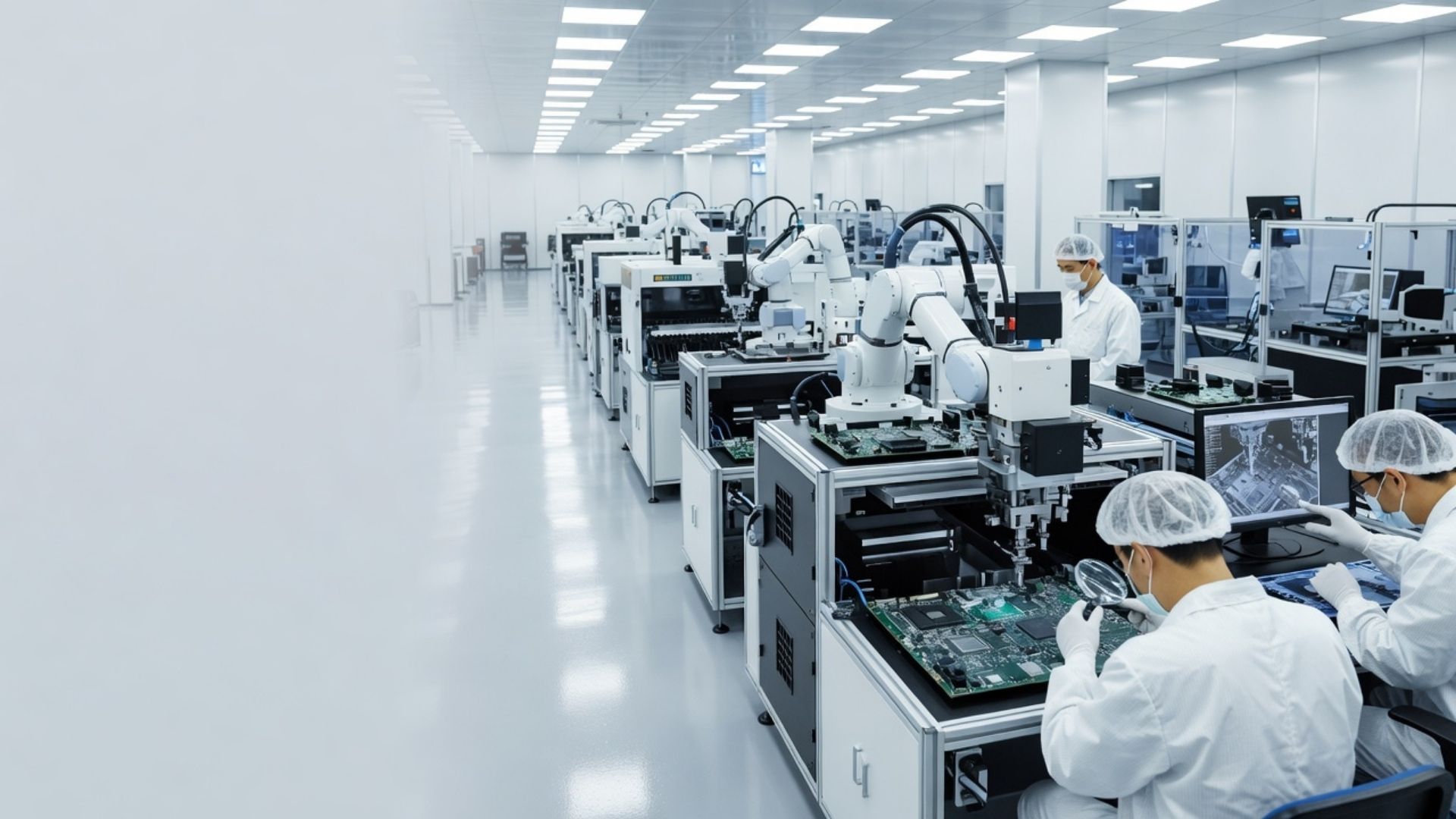
Surface Mount Technology is one of the most widely used assembly methods. Automated equipment accurately places miniature electronic components directly onto the PCB surface before soldering.
Benefits include:
- High production speed
- Improved precision
- Compact circuit designs
- Automated manufacturing
- Consistent quality
Through-Hole Assembly
Certain applications continue to require through-hole components because of their mechanical strength and durability.
This assembly method is commonly used in:
- Industrial equipment
- Power electronics
- Aerospace systems
- Automotive electronics
Mixed Technology Assembly
Many products combine both SMT and through-hole components. Manufacturers with mixed assembly capabilities can support more complex electronic designs.
Component Sourcing and Supply Chain Management
Reliable component procurement is essential for successful electronics manufacturing. A PCBA manufacturer often works with authorized suppliers and established distribution networks to obtain electronic components that meet project specifications.
Effective sourcing helps reduce the risk of production delays caused by component shortages or quality concerns. Businesses should discuss component traceability, lifecycle management, and alternative sourcing strategies during project planning.
Quality Control Throughout the Manufacturing Process
Quality assurance plays a critical role in PCB assembly. Manufacturers typically implement inspection and testing procedures at different production stages to identify potential issues before products reach customers.
Automated Optical Inspection (AOI)
AOI systems use cameras and software to inspect solder joints, component placement, and assembly accuracy. Automated inspections can improve production consistency and detect visible defects early in the process.
X-Ray Inspection
For complex circuit boards with hidden solder joints, X-ray inspection provides visibility into areas that cannot be evaluated through standard visual inspection.
Functional Testing
Functional testing verifies that assembled boards perform according to design requirements. The specific tests depend on the product’s intended application and customer specifications.
Manufacturing Standards and Certifications
Many customers look for manufacturers that follow recognized quality management systems and industry standards.
Examples include:
- ISO 9001
- ISO 13485 for medical devices
- IATF 16949 for automotive manufacturing
- IPC assembly standards
- RoHS compliance
- REACH compliance
Certification requirements vary depending on the industry and product category. Businesses should verify current certifications directly with the manufacturer.
Industries That Benefit from PCBA Manufacturing
Electronic assemblies are used across nearly every technology sector.
Consumer Electronics
Smartphones, wearable devices, home appliances, gaming systems, and smart home products all rely on precision PCB assembly.
Medical Devices
Medical equipment often requires high manufacturing standards, traceability, and strict quality control procedures.
Automotive Electronics
Modern vehicles incorporate electronic systems for safety, navigation, infotainment, and power management.
Industrial Automation
Factories use electronic control systems, sensors, robotics, and monitoring equipment that depend on reliable PCB assemblies.
Telecommunications
Networking hardware, communication devices, and data infrastructure equipment require advanced PCB assembly solutions.
Design for Manufacturability (DFM)
Many manufacturers offer Design for Manufacturability (DFM) reviews before production begins. DFM helps identify design features that could affect manufacturing efficiency or product quality.
Typical DFM considerations include:
- Component placement
- Board layout
- Solderability
- Assembly tolerances
- Material selection
Addressing potential issues early can reduce production costs and improve manufacturability.
Factors to Consider When Selecting a PCBA Manufacturer
Choosing the right manufacturing partner requires evaluating several important criteria.
Technical Capabilities
Review whether the manufacturer supports your required technologies, board complexity, production volume, and testing requirements.
Production Capacity
Ensure the manufacturer can accommodate both current demand and future growth.
Engineering Support
Strong engineering teams can assist with DFM reviews, production optimization, and technical problem-solving.
Quality Management
Ask about inspection methods, testing procedures, certifications, and continuous improvement programs.
Communication
Effective communication helps projects stay on schedule while minimizing misunderstandings during production.
Supply Chain Stability
Manufacturers with established supplier relationships and inventory management processes may be better equipped to respond to changing market conditions.
Emerging Trends in PCBA Manufacturing
The electronics manufacturing industry continues to evolve with advances in automation and digital technologies.
Current trends include:
- Smart factory automation
- Artificial intelligence for quality inspection
- Advanced robotics
- Digital manufacturing systems
- Sustainable production practices
- Improved traceability
- Miniaturized electronic components
These developments support greater production efficiency while helping manufacturers meet increasingly complex product requirements.
Best Practices for Working with a PCBA Manufacturer
Successful manufacturing projects often begin with clear communication and detailed planning.
Consider these recommendations:
- Provide complete design documentation.
- Share accurate bills of materials (BOMs).
- Discuss testing requirements early.
- Confirm component availability before production.
- Review quality standards and certifications.
- Plan realistic production schedules.
- Maintain regular communication throughout the project.
Collaborative planning helps reduce manufacturing risks and supports more efficient production outcomes.
Frequently Asked Questions
1. What does a PCBA manufacturer do?
A PCBA manufacturer assembles electronic components onto printed circuit boards, performs quality inspections, and prepares completed assemblies for integration into electronic products.
2. What is the difference between PCB and PCBA?
A PCB is the bare printed circuit board, while a PCBA is the completed board after electronic components have been assembled and tested.
3. Which industries use PCBA manufacturing?
Consumer electronics, automotive, medical devices, telecommunications, industrial automation, aerospace, and renewable energy industries all rely on PCB assembly services.
4. Why is quality control important in PCBA manufacturing?
Quality control helps identify assembly defects, improve product reliability, reduce failures, and maintain consistent manufacturing standards.
5. What certifications should a PCBA manufacturer have?
Relevant certifications may include ISO 9001, IPC standards, RoHS compliance, and industry-specific certifications depending on the application.
6. How can businesses choose the right PCBA manufacturer?
Evaluate technical capabilities, quality systems, engineering support, production capacity, certifications, communication practices, and supply chain management before selecting a manufacturing partner.
Conclusion
Selecting the right PCBA manufacturer is a critical step in producing reliable, high-quality electronic products. Beyond assembling components, experienced manufacturers contribute through engineering support, quality assurance, component sourcing, and efficient production processes. By evaluating technical expertise, manufacturing capabilities, certifications, and communication practices, businesses can make informed decisions that support product quality and long-term success. As electronics continue to evolve across industries, partnering with a capable manufacturing provider remains an essential part of bringing innovative products to market efficiently and responsibly.