Termite Pest Control Near Me: Complete Guide to Local Extermination
When you spot the signs of an infestation, finding reliable termite pest control near me becomes an urgent priority. Termites are silent destroyers. They cause thousands of dollars in structural damage before you even realize they are inside your home. Searching for termite pest control near me is the first step to protecting your biggest investment. Local exterminators understand the specific species, soil types, and climate conditions in your area. They provide targeted termite treatment and long-term prevention. This comprehensive guide will help you identify the signs of an infestation. It will also help you understand your treatment options and choose the best local pest management professionals.
Why You Need Professional Termite Pest Control Near Me
Termites are not a pest you can ignore. You cannot treat them with off-the-shelf sprays. Their colonies can number in the millions. They work around the clock. They devour the cellulose in your home’s wood framing, floors, and furniture.
The Hidden Danger of Termite Damage
Termites eat wood from the inside out. Because of this, the damage remains hidden for years. By the time you notice sagging floors or hollow-sounding beams, the internal structure may be severely compromised. Subterranean termites alone cause billions of dollars in property damage every year. Most homeowner insurance policies do not cover termite damage. This makes professional structural pest control a vital financial safeguard.
DIY vs. Professional Termite Treatment
Home improvement stores sell termite sprays and foams. These might kill a few visible insects. However, they cannot eliminate a sprawling colony. The queen remains safely underground. She continuously produces new workers. Professional exterminators use commercial-grade termiticides and advanced bait systems. These treatments target the entire colony. They ensure complete eradication.
Signs You Need to Search for Termite Pest Control Near Me
Knowing what to look for can save your home from devastating damage. If you spot any of the following warning signs, contact a local termite inspection company immediately.
Mud Tubes and Swarmers
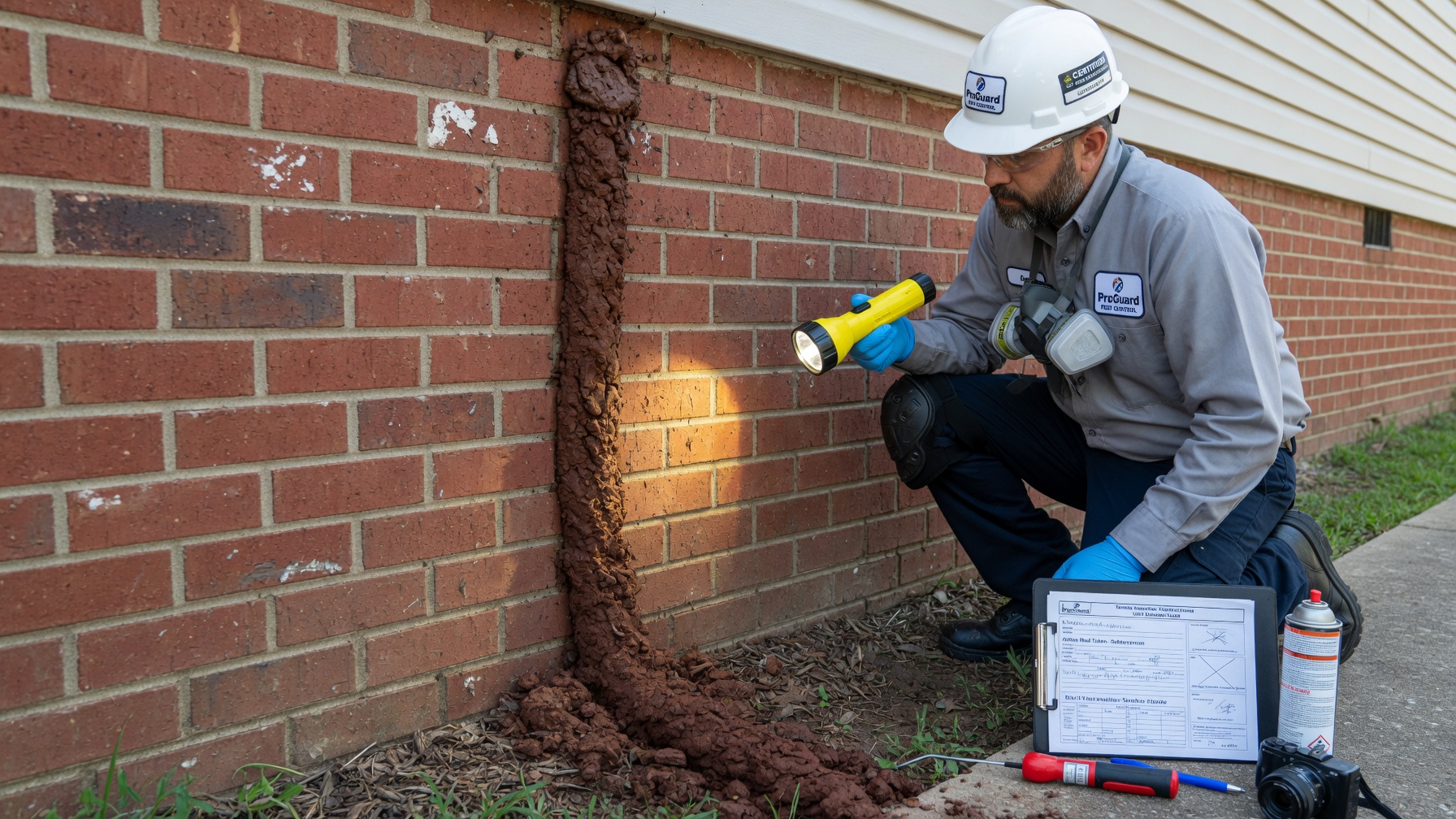
- Mud Tubes: Subterranean termites build pencil-width mud tubes along foundation walls. They use these tubes to travel from the soil to the wood. If you break a mud tube and it is repaired within a few days, you have an active infestation.
- Swarmers: In the spring, reproductive termites swarm to start new colonies. If you see flying insects with straight antennae near your windows, you likely have a mature colony nearby. Discarded wings on windowsills are another major red flag.
Hollow Wood and Frass
- Hollow Sounding Wood: Tap on your baseboards and window frames. If they sound hollow or papery, termites may have eaten the interior.
- Frass: Drywood termites push their excrement out of kick-out holes. This leaves behind small piles of coarse, sand-like pellets called frass. Finding frass near wooden structures is a clear sign of a localized drywood infestation.
Types of Termites Requiring Local Pest Management
The treatment method depends entirely on the species invading your home. Local pest control experts will identify the species before recommending a plan.
Subterranean Termites
These are the most common and destructive termites. They live in the soil. They require moisture to survive. They build mud tubes to access above-ground wood. Because their colonies are massive, they can consume a foot of a 2×4 board in just a few months. Treatment requires addressing the soil around the home’s foundation.
Drywood Termites
Drywood termites do not need soil contact. They live entirely inside the wood they consume. They are often found in attics, rafters, and hardwood furniture. Because they do not build mud tubes, their infestations are highly localized but harder to detect. Treatment usually involves localized injections or full-structure fumigation.
Core Termite Treatment Options
When you hire a professional, they will recommend one of the following proven strategies.
Liquid Termite Barriers
Technicians dig a trench around your home’s foundation. They inject a continuous liquid termiticide into the soil. Modern non-repellent termiticides are highly effective. Termites cannot detect the chemical. They crawl through it and carry it back to the colony. This infects their nestmates. This method creates a powerful, long-lasting protective shield around your property.
Termite Bait Systems
Bait stations are placed strategically in the soil around your home’s perimeter. Termites forage for food and find the bait. The bait contains a slow-acting insect growth regulator. Workers carry the poisoned food back to the nest. This eventually starves the entire colony. Bait systems are less invasive than trenching. They also provide ongoing monitoring. Technicians check the stations regularly to ensure the colony is eliminated.
Fumigation for Drywood Termites
When drywood termites infest multiple areas of a home, localized treatments are not enough. Fumigation is required. The crew tents the entire structure. They release a lethal gas that penetrates deep into the wood. This kills all termites inside. After the treatment, the home is aerated thoroughly. While fumigation requires you to vacate the property for a few days, it guarantees complete eradication of drywood termites.
How to Choose the Best Termite Pest Control Near Me
Not all exterminators have the same level of expertise. Taking the time to vet local companies ensures you get effective, reliable service.
Licensing and Credentials
Always verify that the company is licensed by your state’s agricultural or structural pest control board. Ask if their technicians are certified applicators. A valid license proves they have the training to handle restricted-use termiticides safely.
Termite Warranties and Guarantees
A reputable company stands behind its work. They should offer a warranty or service agreement. Look for a renewable warranty that covers retreatment if termites return within a specified period. Some companies even offer damage repair guarantees. This means they will pay to fix any new termite damage that occurs while the warranty is active.
Local Expertise and Reviews
Local knowledge matters. A company based in your region understands the specific building codes and termite species prevalent in your area. Search for online reviews on Google and the Better Business Bureau. Pay close attention to how the company responds to complaints. A strong track record of satisfied customers is a great indicator of reliability.
What to Expect During a Termite Inspection
A thorough inspection is the foundation of any effective termite treatment plan. Knowing what the technician will do helps you prepare.
- Exterior Check: The technician will inspect the foundation. They look for mud tubes, cracks, and areas where wood touches the soil.
- Interior Check: They will examine crawl spaces, basements, attics, and garages. They will probe baseboards and window frames for soft wood.
- Moisture Assessment: Termites need water. The inspector will check for plumbing leaks and poor drainage that attract colonies.
- Detailed Report: You will receive a comprehensive document outlining their findings. It will include a Wood-Destroying Insect Report (WDIR). The report will detail the infestation, the recommended treatment, and an itemized quote.
The Cost of Ignoring Structural Pest Control
Many homeowners delay calling an exterminator because they fear the cost of treatment. However, the cost of termite treatment is a fraction of the cost of structural repairs.
Ignoring an active infestation allows the colony to grow exponentially. Over time, weakened floor joists can lead to sagging floors. Damaged wall studs can compromise the structural integrity of your home. Moisture from termite tubes can also cause secondary fungal rot. Investing in professional pest management early saves you from catastrophic renovation bills down the road.
Conclusion: Protect Your Home with Termite Pest Control Near Me
Termites are a threat that never sleeps. They will relentlessly consume your home from the inside out if left unchecked. By searching for termite pest control near me, you are taking the most important step toward defending your property. Local professionals have the tools, knowledge, and commercial-grade treatments required to eradicate the colony and prevent future invasions. Whether you need a liquid soil barrier, advanced bait systems, or a complete structural fumigation, expert exterminators deliver peace of mind. Do not wait for visible damage to appear. Schedule a professional termite inspection today, and let trusted termite pest control near me experts secure your home for generations to come.
Frequently Asked Questions (FAQs)
1. How much does termite pest control cost?
Costs vary widely depending on the size of your home and the severity of the infestation, but initial termite treatments typically range from $500 to $3,000.
2. How often should I get a termite inspection?
You should have a professional termite inspection at least once a year, or every six months if you live in a high-risk area with warm, humid climates.
3. Are termite bait systems better than liquid barriers?
Neither is strictly better; bait systems are less invasive and provide ongoing monitoring, while liquid barriers offer immediate, long-lasting protection for the entire foundation.
4. Can I treat termites myself?
DIY termite treatments are not recommended; store-bought products only kill visible termites and cannot eliminate the massive underground colony, requiring professional-grade termiticides for full eradication.
5. How long does a termite treatment last?
A professional liquid termite barrier can last up to 5 to 10 years, while bait systems require ongoing quarterly or annual monitoring to remain effective.
6. Does homeowners insurance cover termite damage?
Most standard homeowner insurance policies do not cover termite damage or removal, as it is considered a preventable maintenance issue, making professional pest control even more critical.