Fogged Glass Window Repair in Boston: Complete Guide to Window Restoration
Fogged glass window repair in Boston is an essential service for homeowners dealing with the unsightly condensation that builds up between window panes. Boston’s harsh, freezing winters and humid coastal summers put immense stress on residential windows. When the seals on a double-pane window fail, moisture slips inside, creating a cloudy, foggy appearance that ruins your home’s curb appeal and views. Fortunately, fogged glass window repair in Boston offers a cost-effective solution. You do not always need to replace the entire window. This comprehensive guide explains why windows fog, the best repair options available, and how to choose a local expert to restore your home’s clarity and energy efficiency.
What Causes Fogged Glass Windows in Boston Homes?
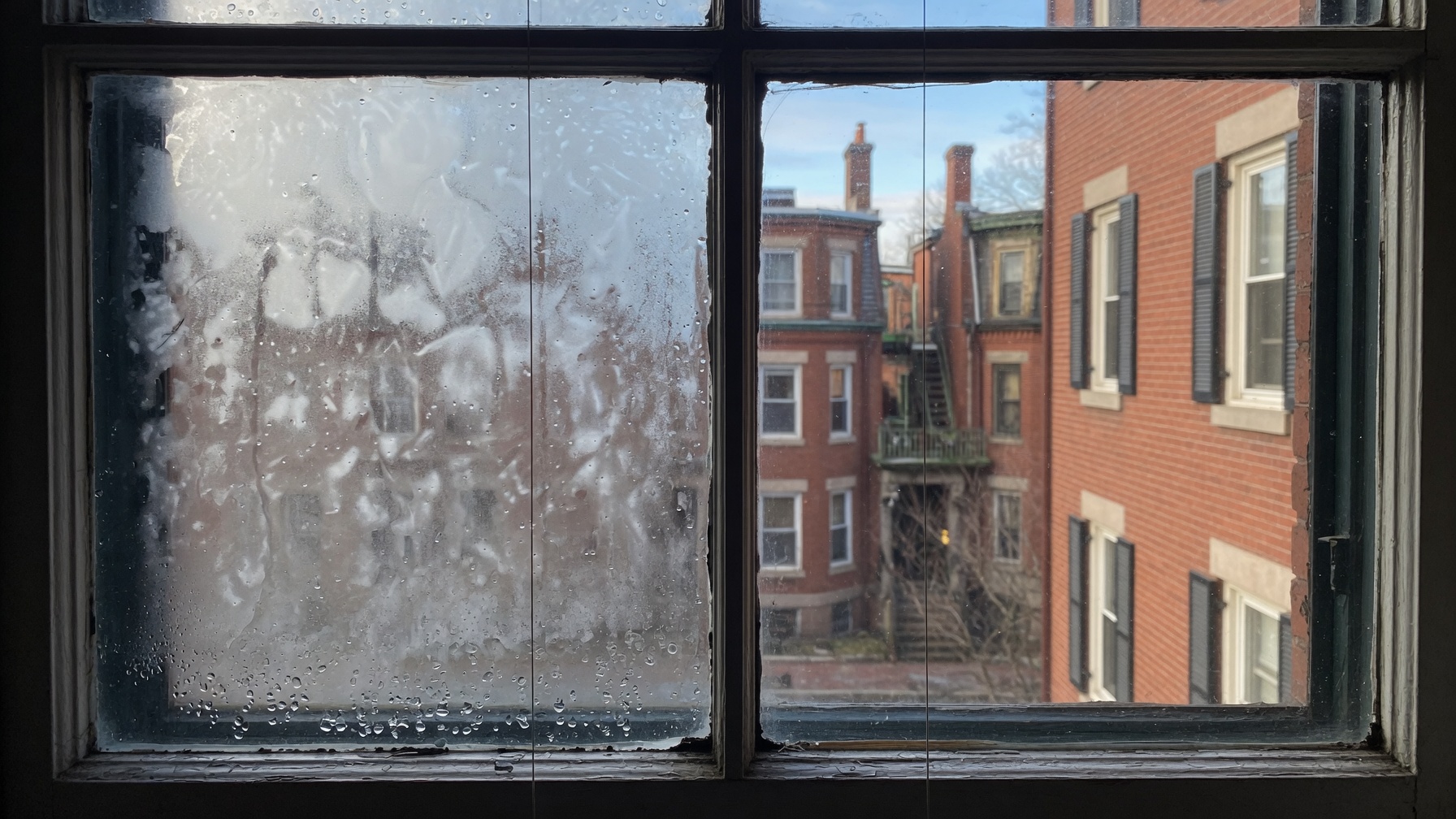
To understand the repair, you must first understand the problem. The fog you see is not on the inside or outside of your window. It is trapped between the two panes of glass.
Thermal Pane Failure and Broken Seals
Modern windows use double or triple-pane glass. These are known as Insulated Glass Units (IGUs). To prevent heat transfer, manufacturers pump inert gas (like argon or krypton) between the panes. They seal the edges tightly.
Over time, the rubber seals and spacers that hold the IGU together degrade. This happens due to age, sun exposure, and constant temperature fluctuations. Once the seal breaks, the insulating gas escapes. Humid outside air is drawn into the space to replace it. When this moisture hits the cold glass, it condenses. This is thermal pane failure.
The Role of Boston’s Freeze-Thaw Cycles
Boston’s climate is notoriously tough on windows. A single winter day can see temperatures plummet below freezing overnight and rise well above freezing during the day. This constant expansion and contraction of the glass and framing materials puts immense mechanical stress on the window seals. Coastal humidity from the harbor also accelerates the degradation of the sealant materials, making fogged windows a widespread issue across Boston neighborhoods.
Why You Should Not Ignore Condensation Between Window Panes
It is tempting to ignore a foggy window, especially if it is in a spare room or a hallway. However, leaving it unrepaired leads to bigger problems.
Reduced Energy Efficiency and Higher Heating Bills
The argon gas inside your IGU is crucial for insulation. It is denser than air, so it slows down the transfer of cold and heat. When the seal fails and the gas leaks out, your window loses its insulating value. You are essentially living with a single-pane window again. Your HVAC system must work harder to compensate. This leads to noticeably higher heating bills during Boston’s long, cold winters.
Obstructed Views and Curb Appeal
A foggy window looks terrible. It blocks natural light and obscures your view of the city or your yard. If you are trying to sell your home, fogged windows are a major red flag for buyers. They signal neglect and potential moisture issues, directly hurting your property value.
Potential for Structural Damage
Moisture inside the window does not just sit there. It constantly evaporates and re-condenses. Over time, this prolonged moisture exposure can cause the window frame—especially if it is wood—to rot. It can also leave hard water stains and mineral deposits on the interior glass. These etch into the glass permanently. If you wait too long, the glass cannot be cleaned, even if the seal is fixed.
Options for Fogged Glass Window Repair in Boston
When you discover a failed seal, you have three main options. A reputable Boston glazier will help you choose the most logical route based on your window’s condition.
Window Defogging vs. IGU Replacement
Window Defogging: This is a process where a technician drills tiny holes in the glass. They inject a cleaning solution to wash away mineral deposits. Then, they use a drying agent and seal the holes with one-way valves.
Defogging is cheaper than glass replacement. It clears the view and stops condensation from forming again. However, it does not replace the lost argon gas. It does not restore the window’s original energy efficiency. It is best for windows where the frame is perfect, and the homeowner wants a budget-friendly cosmetic fix.
IGU Replacement: This is the most effective repair method. The technician removes only the fogged glass panel (the IGU) from the existing frame. They order a brand-new, factory-sealed IGU with fresh argon gas and slip it into your existing frame.
IGU replacement restores both the clarity and the full energy efficiency of the window. It costs less than a full window replacement because you keep your existing frame, trim, and casing.
Full Window Replacement
If your window frames are rotting, warped, or heavily damaged, a simple glass swap will not work. The frame cannot safely support a new, airtight IGU. In this case, you need a full window replacement. This involves ripping out the entire window—frame, glass, and all—and installing a brand-new unit. While the most expensive option, it is necessary if your windows are over 20 years old and failing across the board.
The IGU Replacement Process: How It Works
Understanding the IGU replacement process takes the mystery out of the repair. It is a precise job that requires professional measurements and handling.
Measuring and Manufacturing
You cannot buy an IGU off the shelf. It must be custom-manufactured to the exact millimeter. A technician visits your Boston home to measure the length, width, and thickness of the existing glass unit. They also note the type of glass (low-E, tinted, or clear) and the spacer type. This data is sent to a specialized glass fabricator who builds the new unit.
Professional Installation by a Boston Glazier
Once the new IGU arrives, the installation is relatively quick.
- Removal: The technician carefully removes the interior stops (the thin strips of wood or vinyl holding the glass in place). They extract the fogged IGU.
- Cleaning: The frame channel is thoroughly cleaned of old caulk, glazing compound, and debris.
- Installation: The new IGU is set into the frame. New seals and spacers are applied to ensure an airtight, weathertight fit.
- Securing: The interior stops are reinstalled. The technician tests the window to ensure it operates smoothly.
This process minimizes disruption to your home. It preserves your interior trim and exterior siding, leaving no signs of construction behind.
Choosing the Right Professional for Residential Window Repair
Boston is filled with handyman services and general contractors. However, fogged glass repair is a specialized trade. You need a skilled professional to ensure the new seals hold.
Local Experience and Historical District Considerations
Boston is a city rich with history. If you live in a historic district like Beacon Hill, the North End, or Back Bay, you face strict preservation regulations. You may be required to keep your original wooden window frames to maintain the historic character of the building.
A local Boston glazier understands these regulations. They have experience working with the Boston Landmarks Commission. They know how to preserve century-old frames while upgrading the interior glass to modern energy standards. A national chain or out-of-town contractor will not have this nuanced local expertise.
Warranties and Insurance
Glass work carries risks. Ensure your chosen contractor carries comprehensive liability insurance. If they break a pane during installation, their insurance should cover it, not yours.
Additionally, ask about the warranty. A new IGU should come with a manufacturer’s warranty against seal failure. Look for warranties of 5 to 10 years. This guarantees that if the window fogs up again within that period, the company will replace it at no cost to you.
The Cost of Fogged Glass Window Repair in Boston
Cost is always a deciding factor. While prices vary depending on the size and type of glass, here is a general breakdown of what Boston homeowners can expect.
- Window Defogging: Typically ranges from $100 to $350 per window. It is the cheapest option but offers no energy efficiency recovery.
- IGU Replacement: Usually costs between $250 and $800 per window pane. The final price depends heavily on the size of the glass, whether it is standard clear glass, and if it requires specialized low-E coatings. It recovers energy efficiency.
- Full Window Replacement: Ranges from $500 to $1,500+ per window. Required only if the frame is compromised.
By choosing IGU replacement over a full window swap, Boston homeowners typically save 50% to 70% on labor and materials.
Preventing Future Moisture in Windows
Once you invest in fogged glass window repair in Boston, you want to protect your new seals. While all seals eventually age, proper maintenance extends their life.
- Ensure Proper Drainage: Window frames have “weep holes” at the bottom. These small slots let rainwater drain out. If they get clogged with dirt, dead bugs, or paint, water sits inside the frame and attacks the glass seals. Clean them annually.
- Avoid Power Washing: High-pressure water from a power washer can blast right past the exterior seals and force water into the IGU. If you must wash your siding, use low pressure and avoid spraying directly at the window edges.
- Maintain Paint and Caulk: Inspect the exterior window trim every spring. If the paint is peeling or the caulk is cracking, water can penetrate the wood frame. Rotting wood expands and warps, which twists the glass and breaks the seal. Scrape, paint, and recaulk as needed.
- Control Indoor Humidity: Extreme indoor humidity forces moisture into every tiny gap. Use exhaust fans in bathrooms and kitchens. If your home is overly humid in the winter, a dehumidifier can help reduce the stress on your windows.
Conclusion: Restore Your Views with Fogged Glass Window Repair in Boston
You do not have to live with cloudy, inefficient windows. Ignoring condensation between window panes only leads to higher heating bills and permanent glass damage. By choosing professional fogged glass window repair in Boston, you can restore your home’s beauty and thermal performance without the massive expense of a full window replacement. Whether you opt for budget-friendly window defogging or a permanent IGU replacement, a skilled Boston glazier can provide a customized solution for your home. Take action today to clear your views, lower your energy costs, and protect your property value with expert fogged glass window repair in Boston.
Frequently Asked Questions (FAQs)
1. Can a fogged double-pane window be repaired?
Yes, a fogged double-pane window can be repaired by replacing the failed insulated glass unit (IGU) within the existing frame, or by using a defogging process to remove moisture.
2. How much does it cost to repair a fogged window in Boston?
In Boston, IGU replacement typically costs between $250 and $800 per window, while window defogging ranges from $100 to $350, depending on the window size and glass type.
3. Is it worth replacing just the glass in a fogged window?
Yes, if the window frame is still in good, solid condition, replacing just the glass (the IGU) restores both clarity and energy efficiency at a fraction of the cost of a full replacement.
4. Does window defogging really work?
Window defogging works cosmetically to remove moisture and improve the view, but it does not replace the lost argon gas, meaning it does not restore the window’s original insulating R-value.
5. Why do my windows fog up in the Boston winter?
Windows fog up in winter because the extreme temperature difference between the warm indoor air and freezing outdoor air stresses the window seals. When seals fail, humid air enters and condenses.
6. How long does an insulated glass unit last in Boston?
In Boston’s harsh climate with constant freeze-thaw cycles, an insulated glass unit typically lasts between 10 to 20 years before the seals potentially fail.