Best Case Brands for Phones: How to Choose Protection, Style, and Everyday Value
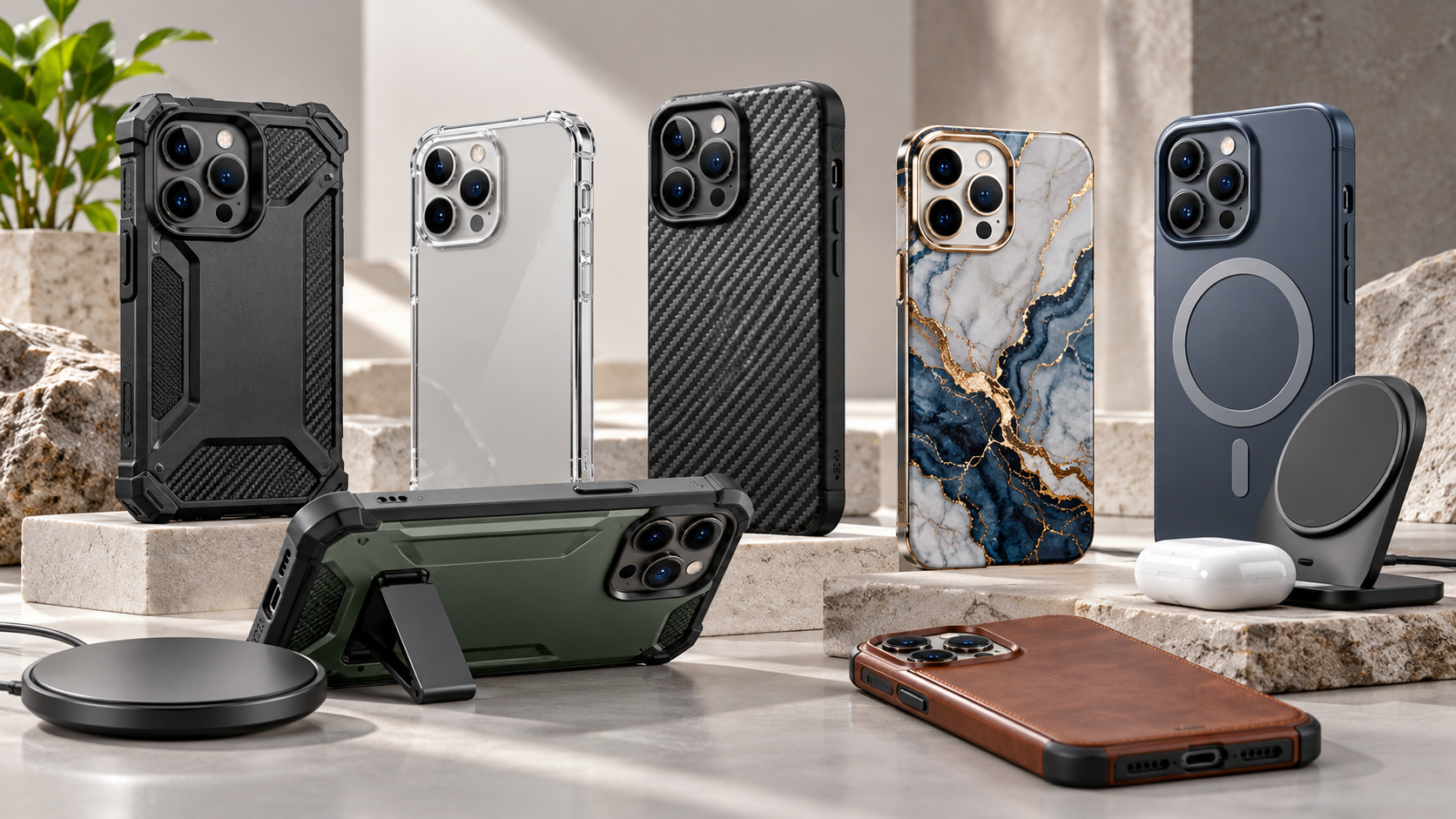
The best case brands for phones combine reliable protection, accurate fit, comfortable grip, durable materials, useful features, and designs that suit different lifestyles. Some phone owners need heavy protection for construction sites or outdoor activity, while others want an extremely thin case that preserves the feel of a premium smartphone. Brands such as OtterBox, Spigen, Mous, Urban Armor Gear, CASETiFY, Pitaka, and Speck have developed recognizable approaches to phone protection, ranging from rugged multilayer construction to lightweight aramid fibre and highly customizable fashion designs. Choosing the right brand is therefore less about finding one universal winner and more about matching protection, thickness, magnetic charging, materials, price, and style to the way the phone will actually be used.
Modern smartphones combine large displays, advanced cameras, glass surfaces, and increasingly sophisticated wireless charging systems.
Protecting these devices without making them uncomfortable to use requires thoughtful case design.
A case may look protective while leaving important edges exposed.
Another may provide excellent impact resistance but become too bulky for everyday pockets.
The strongest purchase decision considers several factors together.
What Makes the Best Case Brands for Phones Different?
Phone case brands compete on more than appearance.
Important differences can include:
• Impact protection
• Case thickness
• Corner reinforcement
• Screen edge height
• Camera protection
• Grip
• Button feel
• Material quality
• Wireless charging compatibility
• Magnetic accessory support
• Clear case durability
• Colour choices
• Design customization
• Warranty and support
No single feature determines whether a case is suitable.
A very thick case may be unnecessary for someone who mainly uses a phone at a desk.
A minimal case may not provide enough confidence for someone working outdoors.
Why the Best Case Brands for Phones Depend on Your Lifestyle
The right case should match the user’s everyday environment.
Consider:
• How often the phone is dropped
• Whether the phone is used outdoors
• Whether magnetic accessories are important
• Whether the device needs to fit into tight pockets
• Whether the phone is used on worksites
• Whether appearance is a major priority
• Whether a kickstand is useful
• Whether the user wants a clear case
These questions can quickly narrow the options.
Best Case Brands for Phones Should Match the Exact Device
Cases are designed for specific phone models.
A small difference in camera shape, button location, speaker position, or body dimension can make a case incompatible.
Always verify:
• Exact phone model
• Screen size
• Generation
• Standard, Plus, Pro, Ultra, or similar version
• Magnetic charging requirements
A case made for one generation should never be assumed to fit another simply because the phones look similar.
7 Best Case Brands for Phones to Consider
The following brands represent different approaches to protection and design.
Each has strengths for particular types of users.
1. OtterBox for Rugged Everyday Protection
OtterBox is one of the most recognizable names in protective phone cases.
The brand is especially associated with rugged designs intended to reduce damage from common drops, bumps, scratches, and everyday handling.
Popular OtterBox lines have traditionally included:
• Defender
• Symmetry
• Commuter
Different collections balance protection and thickness differently.
Who Should Choose OtterBox?
OtterBox can make sense for:
• Construction workers
• Outdoor users
• Parents
• Frequent travellers
• People who often drop phones
• Buyers prioritizing protection
The more rugged models generally use stronger surrounding structures and thicker corners.
Slimmer collections provide a less bulky alternative for everyday users.
OtterBox Strengths
Common strengths include:
• Strong edge coverage
• Raised screen protection
• Raised camera areas
• Textured grip on selected designs
• Wide phone compatibility
• Magnetic compatible options for supported devices
Possible Trade Off
Rugged protection usually adds size and weight.
Users who value an almost case free feeling may prefer thinner alternatives.
2. Spigen for Strong Value and Variety
Spigen is popular because it offers a broad range of designs at different prices and protection levels.
Its lineup commonly includes transparent cases, slim cases, rugged models, magnetic compatible designs, and cases with integrated stands.
Well known Spigen styles have included:
• Ultra Hybrid
• Rugged Armor
• Tough Armor
• Liquid Air
Why Spigen Appeals to Many Buyers
Spigen often provides a useful balance between:
• Price
• Protection
• Thickness
• Design
• Device availability
This makes the brand suitable for buyers who want a recognized case maker without necessarily choosing a premium priced option.
Clear Phone Cases
Spigen’s clear case designs can suit users who want to see the original phone colour.
When selecting any transparent case, consider:
• Edge protection
• Material clarity
• Grip
• Camera lip
• Long term discoloration
No transparent flexible material should be assumed to remain visually identical forever.
Heat, ultraviolet exposure, oils, and normal wear can affect appearance.
3. Mous for Premium Protection With Modern Materials
Mous focuses heavily on combining protective engineering with relatively refined design.
Its cases often appeal to users who want stronger protection without choosing the appearance of a traditional heavy duty case.
The Limitless family is among the brand’s best known designs.
Mous also offers clear and thin options.
Materials Used in Premium Phone Cases
Depending on the collection, premium cases may use materials such as:
• Polycarbonate
• TPU
• Aramid fibre
• Fabric style finishes
• Wood based decorative finishes
These materials serve different roles.
Rigid structures can help distribute impact.
Flexible edges can improve grip and absorb movement.
Decorative back materials mainly influence appearance and feel.
Who Should Consider Mous?
Mous is well suited to users who prioritize:
• Premium appearance
• Protective corners
• Magnetic accessories
• Slimmer rugged designs
• Distinctive materials
The main consideration is price.
Premium materials and engineering generally cost more than basic cases.
4. Urban Armor Gear for Adventure and Rugged Styling
Urban Armor Gear, commonly known as UAG, focuses on rugged phone cases with distinctive industrial styling.
Its designs frequently use reinforced corners, textured surfaces, and strong visual structures.
Popular collections have included:
• Pathfinder
• Monarch
• Plasma
• Plyo
Best Use Cases for UAG
UAG may appeal to:
• Hikers
• Travellers
• Outdoor workers
• Motorcyclists
• Users who prefer rugged design
• People wanting strong grip
Many UAG cases are intentionally designed to look protective.
They are not usually trying to disappear around the phone.
Protection Versus Bulk
The strongest UAG models can feel larger than minimalist cases.
Buyers should compare:
• Weight
• Thickness
• Grip
• Pocket comfort
• Camera protection
A case is only useful if the owner is comfortable using it every day.
5. CASETiFY for Style and Personalization
CASETiFY takes a different approach.
Protection remains important, but design variety and personal expression are major parts of the brand’s appeal.
Users can often choose from:
• Graphic patterns
• Artist designs
• Colour combinations
• Personalized names
• Initials
• Custom layouts
This makes the brand attractive to people who view a phone case as a fashion accessory.
Personalization Should Not Replace Protection
A beautiful case should still provide:
• Secure fit
• Raised camera area
• Screen edge protection
• Quality buttons
• Strong corners
• Appropriate magnetic compatibility
Before buying a decorative design, review the actual case type beneath the artwork.
Different models can provide different levels of protection.
Who Should Consider CASETiFY?
It may be suitable for:
• Fashion focused users
• Gift buyers
• People who enjoy customization
• Users wanting distinctive artwork
• Buyers who change cases frequently
The main consideration is value.
Decorative or collaborative designs can cost more than simpler protective alternatives.
6. Pitaka for Thin Aramid Fibre Cases
Pitaka is especially associated with thin phone cases made from aramid fibre.
Aramid fibre is valued for its strength relative to weight and distinctive woven appearance.
This type of case usually targets users who dislike bulky protection.
Why Thin Cases Are Popular
A slim case can preserve:
• Original phone shape
• Pocket comfort
• Device weight
• Premium feel
• Easy handling
This can be especially attractive for large phones that are already heavy.
Understand the Limitation of Minimal Cases
Thin cases generally provide less surrounding material than rugged cases.
They are better suited to protection against:
• Scratches
• Light bumps
• Everyday surface contact
They may not offer the same impact coverage as thick multilayer designs.
Buyers should decide whether minimalism or maximum drop protection matters more.
7. Speck for Balanced Everyday Protection
Speck has built a long standing reputation around practical protective cases for mainstream smartphones.
Its products often balance relatively slim construction with raised edges and impact focused design.
Speck can appeal to buyers who want something between a minimalist shell and a heavy rugged case.
Everyday Case Features to Look For
A strong everyday case should provide:
• Comfortable grip
• Responsive buttons
• Accurate cutouts
• Raised camera edge
• Raised screen edge
• Easy installation
• Wireless charging support where required
These small details can matter more during daily use than dramatic marketing language.
Who Should Consider Speck?
Speck can be a useful option for:
• Office users
• Students
• Commuters
• Casual users
• Buyers wanting balanced protection
The best model depends on the phone and desired level of protection.
How to Compare the Best Case Brands for Phones
Brand reputation is useful, but buyers should compare individual models.
One brand may offer both extremely thin and highly protective cases.
Do not judge the entire company based on one product.
Protection Level
Ask how much protection is actually needed.
Typical categories include:
• Minimal protection
• Everyday protection
• Rugged protection
• Heavy duty protection
Someone working in an office may be comfortable with everyday protection.
A contractor may prefer a rugged option.
Raised Screen Edges
A raised lip can help keep the display from touching flat surfaces directly.
This is especially useful when the phone is placed screen down.
However, extremely high edges can sometimes interfere with gestures.
Balance is important.
Camera Protection
Modern phones often have large camera modules.
A good case should help prevent the camera lenses from resting directly against flat surfaces.
Look for:
• Raised camera lip
• Reinforced camera frame
• Accurate fit
• No interference with flash or sensors
MagSafe and Magnetic Case Compatibility
Magnetic accessories have become an important feature for many phone owners.
They can support:
• Wireless chargers
• Wallets
• Car mounts
• Desk stands
• Battery packs
• Tripods
A magnetic compatible case normally includes an integrated magnet arrangement designed to maintain a reliable connection.
Magnetic Strength Matters
A poorly designed magnetic case may:
• Disconnect from mounts
• Rotate unexpectedly
• Charge inefficiently
• Require frequent adjustment
Choose established products with proper alignment and device compatibility.
Qi2 and Wireless Charging
Wireless charging compatibility should be checked before purchasing a case.
Thickness, material, and magnetic design can affect performance.
Cases containing thick metal components may interfere with wireless charging.
A well designed case should clearly state which charging standards it supports.
Rugged Cases Versus Slim Cases
This is one of the biggest decisions when comparing phone case brands.
Rugged Cases
Advantages:
• Greater surrounding protection
• Reinforced corners
• Better grip on many models
• Useful for demanding environments
Possible disadvantages:
• Extra weight
• Added thickness
• Larger pocket footprint
Slim Cases
Advantages:
• Lightweight
• Easier pocket use
• Maintains phone design
• Comfortable for everyday carrying
Possible disadvantages:
• Less impact protection
• Smaller raised edges
• Less corner material
There is no universally correct choice.
Clear Cases Versus Coloured Cases
Clear cases allow the phone’s original colour to remain visible.
They are especially popular when manufacturers release distinctive finishes.
Clear Case Benefits
• Shows phone colour
• Works with most styles
• Easy to match with accessories
Clear Case Considerations
• Fingerprints
• Scratches
• Possible discoloration
• Dust visibility
Coloured cases can hide wear more effectively and provide greater styling variety.
Silicone Cases
Silicone style cases offer a soft feel and strong grip.
They can work well for everyday users.
Possible advantages include:
• Comfortable texture
• Slim construction
• Good grip
Possible concerns include:
• Dust collection
• Surface wear
• Pocket friction
Material quality varies significantly between products.
Leather and Leather Style Cases
Leather cases remain popular with business users.
They can develop a distinctive appearance with age.
Alternatives may use synthetic materials designed to create a similar appearance.
Consider:
• Water exposure
• Surface wear
• Ethical material preferences
• Maintenance
• Magnetic compatibility
A premium material does not automatically provide premium drop protection.
Aramid Fibre Phone Cases
Aramid fibre has become increasingly visible in premium thin cases.
Its woven surface provides a technical appearance while allowing very low case thickness.
It is especially appropriate for users seeking:
• Low weight
• Thin design
• Premium texture
• Scratch protection
Rugged users may still prefer thicker impact absorbing materials around the edges.
How Much Should a Good Phone Case Cost?
Phone case prices vary widely.
Cost depends on:
• Brand
• Materials
• Licensing
• Customization
• Protection level
• Magnetic systems
• Manufacturing complexity
• Design collaborations
A higher price does not automatically guarantee better protection.
Similarly, the cheapest case is not necessarily the best value.
Consider replacement cost of the phone itself.
Spending slightly more on a well fitting case may make sense for an expensive flagship device.
Best Case Brands for iPhones
iPhone owners generally have the widest case selection.
Look for:
• Accurate MagSafe compatibility
• Camera control access where relevant
• Responsive buttons
• Raised camera edge
• Precise fit
Brands such as OtterBox, Spigen, Mous, CASETiFY, Pitaka, UAG, and Speck commonly produce cases for popular iPhone generations.
Best Case Brands for Samsung Galaxy Phones
Galaxy models often feature large displays and prominent camera systems.
Users should look for:
• Corner protection
• Camera clearance
• Screen edge compatibility
• Wireless charging support
• Magnetic support if desired
Spigen, OtterBox, Mous, UAG, and other established accessory companies produce multiple Galaxy case styles.
Best Case Brands for Google Pixel Phones
Pixel cases should provide accurate protection around the camera structure and buttons.
Established accessory brands increasingly support major Pixel releases.
Before purchasing, confirm compatibility with the exact Pixel model.
Common Phone Case Buying Mistakes
Choosing Style Without Protection
Appearance matters, but the case should still protect vulnerable edges.
Buying the Wrong Model
Always confirm the exact phone generation and version.
Ignoring Camera Protection
Large camera systems need appropriate clearance.
Assuming Every Magnetic Case Is Equal
Magnet strength and alignment vary.
Choosing Maximum Protection Without Considering Comfort
An extremely rugged case may be unnecessary for some users.
Ignoring Grip
A slippery case can increase the chance of dropping the phone.
Forgetting Screen Protectors
A case protects primarily the body and edges.
Users seeking stronger display protection may also consider a compatible screen protector.
How to Choose the Right Phone Case Brand
Follow a simple process.
Step One
Identify the exact phone model.
Step Two
Decide the required protection level.
Step Three
Choose preferred thickness.
Step Four
Decide whether magnetic accessories are important.
Step Five
Select preferred material.
Step Six
Compare grip and button design.
Step Seven
Review camera and screen protection.
Step Eight
Choose a design that suits everyday use.
The best case is one that remains on the phone consistently.
Frequently Asked Questions
What are the best case brands for phones?
OtterBox, Spigen, Mous, UAG, CASETiFY, Pitaka, and Speck are established brands covering rugged, slim, premium, customizable, and everyday phone case categories.
Which phone case brand is best for rugged protection?
OtterBox and UAG are widely associated with rugged designs, while Mous also offers strong protection in relatively refined case styles.
Which phone case brand is good for budget friendly protection?
Spigen is commonly considered a strong value option because it offers many protective, clear, slim, and magnetic compatible designs across popular phones.
Which phone case brand is best for thin cases?
Pitaka specializes in thin aramid fibre designs, while several other premium brands also offer lightweight cases for users who prefer minimal bulk.
Are expensive phone cases always better?
No. Price can reflect materials, design, customization, branding, and extra features. Protection, fit, grip, charging compatibility, and construction quality matter more than price alone.
Do the best case brands for phones support wireless charging?
Many current cases from established brands support wireless charging, MagSafe, Qi2, or other magnetic systems, but compatibility should always be verified for the specific case and phone.
Conclusion
The best case brands for phones offer different strengths rather than one universal solution for every user. OtterBox and UAG suit buyers seeking rugged designs, Spigen provides strong variety and value, Mous combines premium styling with protection, CASETiFY emphasizes personalization, Pitaka focuses on thin aramid fibre cases, and Speck offers balanced everyday options. Before choosing any brand, compare the exact model for fit, camera coverage, screen protection, grip, magnetic compatibility, thickness, and materials. The right case should protect the phone effectively while remaining comfortable enough to use every day.