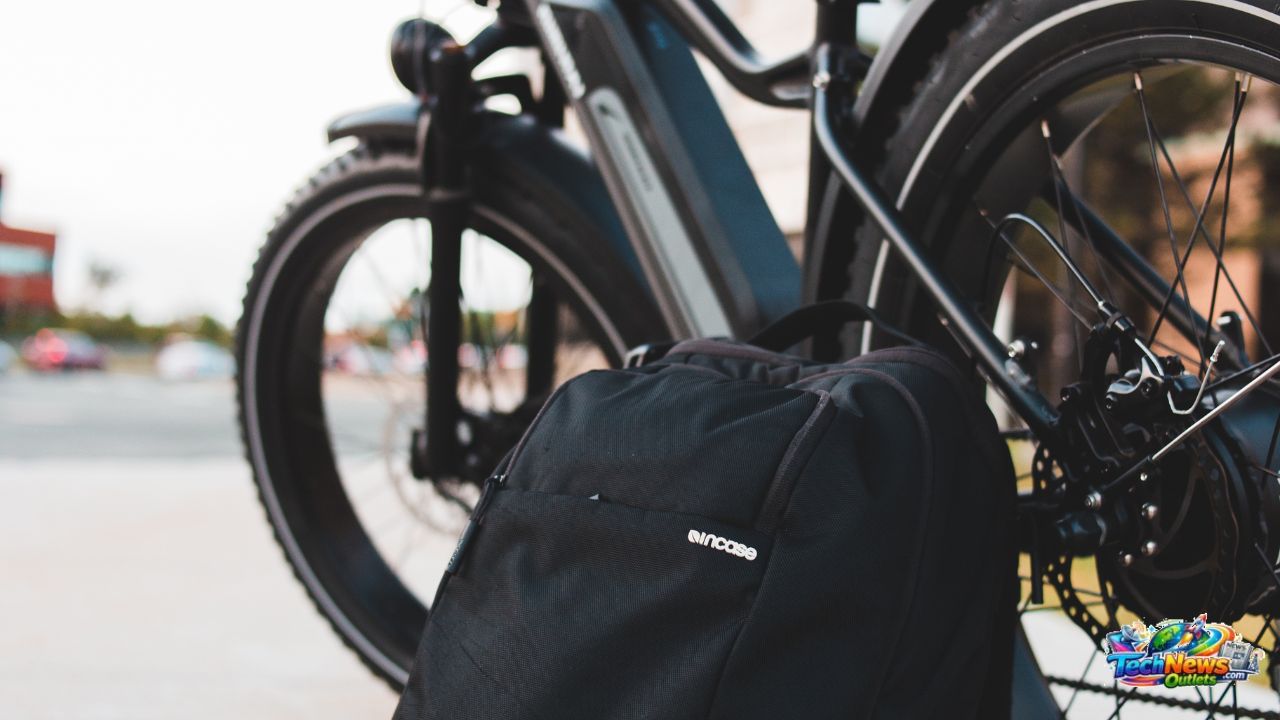
Carry More and Ride Freely With Smarter Bike Storage
Cycling offers an unusual combination of movement, independence, exercise, and practical transportation. A Bicycle Rack Top Bag adds another layer of freedom by giving riders dedicated storage without requiring them to carry everything on their body. Positioned on a compatible rear bicycle rack, it can hold everyday necessities while keeping them organized and relatively easy to reach.
For commuters, recreational cyclists, touring riders, and people running errands, thoughtful bike storage can make everyday riding considerably more convenient. Choosing the right Bicycle Rack Top Bag is not simply about finding the largest model available. Fit, attachment security, capacity, weather protection, organization, visibility, and the way additional weight affects the bicycle all deserve consideration.
Why Cycling Continues to Inspire Millions
The enduring appeal of cycling is easy to understand. A bicycle can serve as transportation, recreation, exercise, competition, or simply a reason to spend time outdoors. The same activity can mean something different to every rider.
Cycling can also provide a strong sense of independence. There is no need to follow a transit schedule, and many everyday journeys can begin directly outside the rider’s door. Where suitable cycling infrastructure exists, a bicycle can be especially practical for shorter urban journeys.
Equipment has evolved alongside the activity. Helmets, lights, navigation devices, clothing, racks, panniers, and a Bicycle Rack Top Bag can all make a bicycle better suited to a particular type of journey. The goal is not to carry every available accessory but to create a setup that matches how and where someone actually rides.
Practical equipment can make riding easier
A short recreational ride may require little beyond basic safety equipment, water, and repair essentials. Commuting or spending several hours away from home usually creates greater storage requirements.
Cyclists may need to carry:
- A compact repair kit
- Spare inner tube or suitable puncture supplies
- Small pump or inflator
- Water and snacks
- Lightweight clothing
- Personal belongings
- Locks
- Work essentials
- Weather protection
- First-aid essentials appropriate to the trip
A Bicycle Rack Top Bag offers a convenient place for many of these items, provided its capacity, attachment system, and the bicycle rack’s rated load are suitable.
What Is a Bicycle Rack Top Bag
A Bicycle Rack Top Bag is a storage bag designed to sit on the top platform of a bicycle’s rear cargo rack. These bags are sometimes described as rack-top bags, rear rack bags, trunk bags, or bicycle trunk bags.
Unlike a backpack, the load is supported by the bicycle rather than the rider’s shoulders. Unlike many panniers, which hang alongside the rear wheel, a rack-top model generally occupies the space directly above the rack.
This design makes a Bicycle Rack Top Bag useful for riders who need moderate carrying capacity but do not necessarily need full touring luggage.
How a rack top bag works
The bag attaches to a compatible bicycle rack through a mounting system. Depending on the product, this may involve hook-and-loop straps, buckles, clips, hooks, or a proprietary quick-release mechanism.
Secure attachment matters because a bag that moves excessively can affect stability or potentially interfere with bicycle components. Riders should follow the bag and rack manufacturers’ installation instructions and check the attachment before riding.
A Bicycle Rack Top Bag should sit securely without obstructing the wheel, brakes, lights, reflectors, or any moving component.
Bicycle Rack Top Bag compared with a backpack
A backpack is portable and does not require a bicycle rack, making it useful for riders who frequently move between cycling and walking.
A Bicycle Rack Top Bag transfers the carried load to the bicycle. This can reduce the amount of weight carried directly on the rider’s back, which many people find preferable on longer or warmer rides.
Neither system is automatically better. The right choice depends on trip length, bicycle compatibility, capacity requirements, security, and personal preference.
Rack top bag compared with panniers
Panniers generally hang from the sides of a rear or front rack and can provide substantial cargo volume. They are widely used for commuting, shopping, and touring.
A Bicycle Rack Top Bag sits higher and more centrally over the rear rack. Its smaller footprint may make it convenient for everyday essentials, although capacity differs significantly among products.
Some cyclists combine a rack-top bag with panniers when they need additional storage. Any combined setup must remain within the rack and bicycle manufacturers’ relevant load limits.
9 Powerful Benefits of a Bicycle Rack Top Bag
A well-chosen Bicycle Rack Top Bag can solve several everyday storage problems. The benefits depend on product design and correct installation, but there are practical reasons this style of luggage appeals to many cyclists.
1. Keeps weight off the rider’s back
Carrying personal belongings in a backpack places their weight on the rider. For short journeys this may not matter, but some cyclists prefer bicycle-mounted storage for longer trips.
A Bicycle Rack Top Bag allows the rack to support the luggage. Riders can still carry a small personal bag when needed while placing heavier or bulkier suitable items on the bicycle.
This arrangement can also reduce the sweaty-back effect associated with wearing a backpack in warm conditions.
2. Offers convenient everyday storage
The capacity of rack bags varies, but many are designed for the middle ground between very small accessory bags and high-capacity touring luggage.
A Bicycle Rack Top Bag can be suitable for items such as repair equipment, snacks, compact clothing layers, and personal necessities. Commuters may also find certain models useful for work-related items, although dimensions should always be checked before assuming a laptop or document folder will fit.
3. Makes organization simpler
Throwing small objects into one large compartment can make them difficult to find. Many Bicycle Rack Top Bag designs use internal pockets, dividers, external compartments, or expandable sections to improve organization.
Cyclists can keep repair tools separate from food or personal belongings. Frequently needed items can be placed in accessible compartments, while valuables can be kept in a more secure internal section.
Organization becomes particularly useful when riding regularly because equipment can remain arranged consistently between trips.
4. Can provide weather protection
Weather resistance varies significantly by product. Some bags use water-resistant materials and covered zippers, while others may incorporate waterproof construction or provide a separate rain cover.
Riders should distinguish between terms such as water resistant and waterproof. These descriptions are not interchangeable, and performance can depend on construction, seams, closures, exposure duration, and manufacturer testing.
If keeping electronics or documents dry is critical, additional internal waterproof protection can be sensible even when using a weather-resistant Bicycle Rack Top Bag.
5. Can transition between different ride types
Versatility is valuable for cyclists who use one bicycle for several purposes. The same Bicycle Rack Top Bag might carry lunch and a repair kit during the week and snacks or an extra layer during a weekend ride.
Some models include handles or detachable shoulder straps for carrying the bag after removing it from the bike. This can be helpful for commuters and shoppers.
Actual portability varies, so riders who expect to remove the bag frequently should pay close attention to the mounting mechanism and off-bike carrying design.
6. Keeps essentials relatively accessible
A rack-mounted bag can make accessing stored items easier than unpacking deeply loaded touring luggage. Some cyclists use the upper or external compartments for items they may need during stops.
Accessibility should never encourage riders to reach behind themselves while moving. Stop in a safe location before opening the Bicycle Rack Top Bag or retrieving equipment.
7. Can complement other bicycle luggage
A Bicycle Rack Top Bag does not necessarily need to be the bicycle’s only storage system. It can complement frame bags, handlebar bags, baskets, or panniers when the bicycle and mounting systems are compatible.
For touring, a rack-top compartment can be reserved for lightweight items that benefit from easy access. Panniers can then accommodate other gear while keeping the overall load organized.
Weight distribution still matters. Adding multiple bags does not mean every bag should be filled to maximum capacity.
8. Provides a dedicated place for emergency essentials
A regular cyclist may prefer to keep basic repair supplies permanently packed. A Bicycle Rack Top Bag can provide a predictable location for a tube, tire repair supplies, tire levers, and a suitable multitool.
The exact repair kit depends on the bicycle. Tubeless tires, unusual wheel systems, electronic components, and other equipment may require different tools.
Regularly inspect stored emergency equipment. A spare tube of the wrong size or an inflator that no longer works offers little practical value during a roadside problem.
9. Can make everyday cycling more practical
A bicycle becomes more useful for transportation when it can carry ordinary belongings. Storage allows riders to use a bike for errands, work, recreation, or social activities without placing everything in clothing pockets.
A Bicycle Rack Top Bag can therefore make the transition from recreational riding to utility cycling easier for some people.
It does not transform every bicycle into a cargo bike. Instead, it provides modest, purpose-built carrying space for journeys where a large cargo system would be unnecessary.
How to Choose the Right Bicycle Rack Top Bag
Products can look very similar online while differing significantly in dimensions, mounting method, material, construction, and compatibility. Buying based solely on appearance or claimed capacity can lead to disappointment.
A better approach is to work backward from the bicycle and intended use.
Check rack compatibility first
A Bicycle Rack Top Bag requires an appropriate rack. Check the specifications of both products before buying.
Important considerations include:
- Rack platform dimensions
- Attachment-point locations
- Bag mounting mechanism
- Rack weight limit
- Bicycle manufacturer’s load guidance
- Clearance around the saddle and seatpost
- Rear light and reflector visibility
- Wheel and brake clearance
A bag advertised as universal should not automatically be assumed to fit every rear rack. Compare measurements and mounting requirements.
Confirm mounting-system requirements
Proprietary quick-release systems can make installation and removal convenient, but they may require a particular rack, adapter, or mounting plate.
Strap-mounted systems can fit a wider range of racks, but that depends on strap placement and rack geometry.
Before ordering a Bicycle Rack Top Bag, review the manufacturer’s current compatibility information rather than relying solely on photographs.
Choosing the Right Capacity
Bigger is not automatically better. An oversized bag adds bulk and may tempt a rider to carry unnecessary items.
Start by identifying what needs to be transported regularly. A cyclist carrying only repair tools, a snack, and a jacket needs less capacity than someone commuting with clothes and other workplace equipment.
Manufacturers commonly specify storage capacity by volume and dimensions. Compare both. Volume describes overall space, while dimensions help establish whether particular objects can physically fit.
Small capacity for essentials
A compact Bicycle Rack Top Bag can work well for recreational rides where only basic supplies are needed. Its smaller size can also help discourage overpacking.
Typical contents might include basic repair equipment, keys, snacks, and a compact clothing layer.
Medium capacity for everyday riding
A medium-sized model offers additional flexibility for commuting, day rides, and routine errands. Internal organization becomes increasingly important as the number of items grows.
Expandable compartments can provide extra room when needed without requiring the bag to remain at its largest size for every journey.
Larger capacity for longer rides
Riders carrying more equipment may consider larger rack-top bags or combine a Bicycle Rack Top Bag with panniers.
At this point, weight and handling deserve greater attention. Large capacity is useful only when the bicycle, rack, bag, attachment system, and load distribution are appropriate.
Never use storage volume as a substitute for checking the manufacturer’s weight limits.
Materials and Construction Matter
The exterior of a Bicycle Rack Top Bag experiences sunlight, road dust, vibration, repeated opening, and potentially rain. Material quality and construction therefore influence long-term usefulness.
Synthetic fabrics are common because they can balance weight, durability, and weather resistance. Specific performance depends on the material, coating, seam construction, zippers, and overall bag design.
Look beyond marketing terminology
Terms such as rugged, weatherproof, premium, and heavy duty may not have a consistent technical meaning across brands.
More useful product information includes stated fabric specifications, seam treatment, zipper design, manufacturer warranty, mounting details, and documented water-resistance testing where available.
Reviews can provide practical perspective, but a Bicycle Rack Top Bag should still be evaluated against the manufacturer’s specifications and the requirements of the rider’s bicycle.
Examine the base and mounting area
The bottom of the bag receives continuous vibration against or above the rack. A structured or reinforced base can help a Bicycle Rack Top Bag retain its shape and protect contents, depending on its construction.
Attachment points also deserve inspection. They should appear appropriate for repeated loading and removal.
If straps become damaged, fasteners loosen, or mounting components show substantial wear, address the problem before the next ride.
Weather Protection for Bicycle Luggage
Cyclists cannot always avoid changing weather. A clear understanding of a bag’s protection level is therefore useful.
A water-resistant Bicycle Rack Top Bag may handle limited splashes or light exposure according to its design, while a genuinely waterproof product should have manufacturer-defined protection appropriate to its intended use.
The weakest points are often openings, seams, and zippers, though this differs by construction.
Protect sensitive equipment separately
Phones, cameras, paperwork, medication, and electronics may require more protection than clothing or repair tools.
A separate waterproof pouch or dry bag inside the Bicycle Rack Top Bag can provide another protective layer. This approach is particularly useful when the weather forecast is uncertain.
After wet rides, allow equipment to dry according to manufacturer instructions before storing it for extended periods.
Mounting a Bicycle Rack Top Bag Correctly
Correct mounting is essential for reliable performance. Installation varies by model, so manufacturer instructions should take priority over generic advice.
Place the Bicycle Rack Top Bag in the intended orientation and engage every required attachment point. Tighten straps or secure the mounting mechanism according to the product instructions.
Once installed, check that the bag cannot slide far enough to contact the rear wheel or interfere with braking components.
Perform a pre-ride check
Before riding, verify that:
- All required straps or latches are secure
- Loose straps cannot reach the wheel
- Zippers and compartments are closed
- The load does not obstruct controls or moving components
- Rear lights and reflectors remain visible
- The load is within specified limits
Lift or gently move the bag by hand to check for excessive movement. If something appears insecure, correct it before riding.
Recheck after loading the bag
An empty Bicycle Rack Top Bag may sit differently after being filled. Weight can change its shape and place additional tension on mounting points.
Perform the security check after packing, particularly when carrying a different load than usual.
How to Pack a Bicycle Rack Top Bag
Thoughtful packing helps keep the bicycle predictable and makes items easier to find.
Avoid putting every dense object in one corner of the Bicycle Rack Top Bag. Keep the load stable and follow all weight limitations provided for the bicycle, rack, and luggage.
Prioritize what you actually need
For an ordinary day ride, useful contents may include:
- Repair equipment appropriate to the bicycle
- Identification and payment method
- Water where the bag design safely accommodates it
- Snacks
- Weather-appropriate clothing
- Personal medication when required
- Compact first-aid supplies
- Securely protected electronic devices
Requirements vary by distance, weather, destination, terrain, and rider.
Keep frequently used items accessible
Items likely to be needed at stops should not be buried under everything else. Small compartments can hold keys or other suitable items, while larger sections accommodate bulkier gear.
Avoid placing fragile items where tools or other hard objects can repeatedly strike them.
A well-packed Bicycle Rack Top Bag should remain organized even after normal road vibration.
Understanding Weight and Bicycle Handling
Adding luggage changes a bicycle’s mass and potentially its handling. The effect becomes more noticeable as the load increases.
A Bicycle Rack Top Bag is positioned above the rear wheel, so excessive or poorly secured weight can influence balance. Riders may notice differences when starting, stopping, cornering, climbing, or maneuvering the bike at low speed.
Stay within all load limits
The relevant limit may not be only the bag’s own capacity. The rack, bicycle frame, mounting hardware, wheels, or other components can impose restrictions.
When several published limits apply, the system should not exceed the lowest relevant limit.
If compatibility or safe loading is unclear, consult the bicycle, rack, or bag manufacturer or an appropriately qualified bicycle professional.
Test unfamiliar loads gradually
After installing a new Bicycle Rack Top Bag, begin with a lighter load and ride in a controlled environment to become familiar with the handling.
Increase cargo only when necessary and within manufacturer limits. This helps riders understand how their particular bicycle responds before using the setup in more demanding conditions.
Bicycle Rack Top Bag for Commuting
Commuters often need dependable storage because their bicycles serve as everyday transportation. A Bicycle Rack Top Bag can carry suitable workplace and personal essentials without requiring a backpack.
The most useful commuter features depend on the journey. Quick removal may matter when the bicycle is parked publicly, while internal organization can be more important for someone transporting several small items every day.
Consider off-bike portability
A handle or shoulder strap can make the Bicycle Rack Top Bag easier to carry into a workplace, shop, or home.
Cyclists who remove the bag several times daily may prefer a secure quick-release mechanism. Those who rarely remove it may prioritize simpler attachment methods.
Do not assume a bag provides theft protection simply because it is firmly mounted. Removable luggage and its contents should generally not be left unattended unless appropriate security measures are available.
Bicycle Rack Top Bag for Touring and Long Rides
Long-distance cycling introduces different storage priorities. Riders may need more food, clothing, maintenance equipment, navigation tools, and other essentials.
A Bicycle Rack Top Bag can complement larger luggage by keeping certain supplies organized and relatively accessible during stops.
For touring, durability and reliable mounting become particularly important because the bag may experience extended vibration and repeated exposure to changing conditions.
Use it as part of a balanced luggage system
Touring cyclists often distribute equipment across several storage locations rather than concentrating everything in one rear bag.
The appropriate setup depends on bicycle geometry, equipment specifications, terrain, trip duration, and rider preference.
A Bicycle Rack Top Bag can be one component of that system without being expected to carry every item.
Safety Features Worth Considering
A storage bag cannot replace appropriate bicycle lighting, reflectors, or safe riding behavior. However, some designs include features intended to improve visibility.
Reflective detailing can make portions of the bag more noticeable when illuminated, but it should not be treated as a substitute for legally required or appropriate bicycle lighting.
Check rear-light visibility
A larger Bicycle Rack Top Bag may obstruct a light or reflector that was visible before installation.
Stand behind the fully loaded bicycle and confirm that required lights and reflectors remain appropriately positioned and unobstructed. Where necessary and compatible, some bags or racks may provide alternative light mounting points.
Local bicycle equipment laws vary, so riders should follow the rules applicable where they ride.
Common Bicycle Rack Top Bag Buying Mistakes
One frequent mistake is purchasing a bag before checking rack compatibility. A visually appealing Bicycle Rack Top Bag provides little value if its mounting system does not fit securely.
Another mistake is choosing solely according to capacity. More storage can mean additional bulk and greater potential load.
Riders also sometimes assume that every dark synthetic bag is waterproof. Weather protection should be confirmed through the manufacturer’s actual specifications.
Finally, buyers can overlook how frequently the bag will need to come off the bike. Mounting convenience can become important for commuters who park outside and carry their belongings indoors several times each day.
How to Maintain a Bicycle Rack Top Bag
Regular maintenance can help keep bicycle luggage dependable. The appropriate cleaning method depends on materials and construction, so use manufacturer care instructions.
After dusty or wet rides, inspect the Bicycle Rack Top Bag and attachment points. Remove debris, dry damp areas properly, and check whether straps or fasteners show wear.
Inspect high-stress areas
Pay particular attention to:
- Attachment straps
- Buckles and hooks
- Quick-release mechanisms
- Zippers
- Seams
- Bag base
- Reflective elements
- Shoulder straps or handles
Minor wear may become a mounting problem if ignored.
Avoid unnecessary overloading
Repeated overloading can stress the bag, rack, and mounting hardware. Pack according to specified limits rather than judging capacity by whether the zipper can still close.
If cargo requirements regularly exceed the practical capacity of a Bicycle Rack Top Bag, a different luggage arrangement may be more appropriate.
Bicycle Rack Top Bag Versus Other Storage Options
Cyclists have several ways to carry belongings, and each serves different priorities.
A Bicycle Rack Top Bag is particularly suited to riders who already have a compatible rear rack and want moderate storage centered over it. Panniers usually provide more side-mounted carrying volume, while handlebar and frame bags place storage elsewhere on the bicycle.
Backpacks remain useful when off-bike portability takes priority. Baskets provide easy loading for suitable everyday objects, although retention and weather protection vary depending on design.
The best system can also involve combining storage types. Compatibility, safe loading, bicycle handling, and the actual journey should guide the decision.
How a Bicycle Rack Top Bag Supports Everyday Cycling Freedom
The appeal of a bicycle has always involved more than speed. A bicycle allows its rider to decide when to leave, where to go, and how much of the surrounding environment to experience along the way.
Practical storage expands what those journeys can include. A Bicycle Rack Top Bag can make it easier to bring supplies for a longer ride, carry necessities to work, or stop for an errand without relying entirely on pockets or a backpack.
That seemingly simple convenience matters because useful equipment can remove small barriers to riding. When essential items have a predictable storage location and the setup is easy to use, preparing for a trip can become simpler.
Better gear should serve the ride
Equipment should support cycling rather than make it unnecessarily complicated. Not every cyclist needs large luggage, numerous compartments, or an elaborate mounting platform.
Someone taking short weekend rides may be happiest with a compact Bicycle Rack Top Bag and a few essentials. A regular commuter may prioritize quick removal and weather protection. A touring cyclist may want a bag that integrates effectively with a larger luggage system.
Understanding the intended use before purchasing helps avoid paying for features that will rarely matter.
What to Look for Before Buying
A good buying decision begins with compatibility and then moves to practical features. Marketing language should come after basic specifications.
Before choosing a Bicycle Rack Top Bag, assess the rack dimensions, mounting system, required capacity, expected weather, typical cargo, removal frequency, and relevant load limits.
Then consider convenience features such as internal dividers, external pockets, handles, shoulder straps, expandable sections, reflective details, and rain protection.
Product quality cannot reliably be determined from feature count alone. Construction, mounting security, warranty terms, manufacturer support, and documented specifications can be more meaningful than having many accessories.
Getting More Value From Your Cycling Setup
The value of cycling equipment comes from how frequently and reliably it solves a real problem. A simple Bicycle Rack Top Bag that fits properly and carries exactly what a rider needs can be more useful than a complex model full of unused features.
Cyclists should periodically reassess what they carry. Unused locks, duplicate tools, old food, unnecessary clothing, and forgotten accessories can gradually add weight.
Keeping the bag organized also makes pre-ride preparation faster. Essential repair equipment can be checked periodically rather than assembled from scratch before every journey.
When bicycle storage works well, it largely disappears into the experience. The rider can concentrate on the road, trail, destination, and reasons for cycling in the first place.
FAQ’s
What is a Bicycle Rack Top Bag used for?
A Bicycle Rack Top Bag provides rear-rack storage for items such as repair supplies, clothing, snacks, commuting essentials, and personal belongings.
Will a Bicycle Rack Top Bag fit any rear rack?
Not necessarily. Compatibility depends on rack dimensions, bag size, mounting hardware, and manufacturer requirements, so specifications should be checked before purchase.
Is a Bicycle Rack Top Bag waterproof?
Some models may offer waterproof construction, while others are only water resistant or use a separate rain cover. Check the manufacturer’s stated protection rather than assuming all bags perform equally.
Is a Bicycle Rack Top Bag better than panniers?
Neither is universally better. Rack-top bags can suit moderate loads and everyday essentials, while panniers often offer greater capacity and different weight positioning.
How should I secure a Bicycle Rack Top Bag?
Use every attachment specified by the manufacturer and ensure no strap, buckle, or part of the bag can interfere with the wheel, brakes, or other moving components.
Can I use a Bicycle Rack Top Bag for commuting?
Yes, when it is compatible with the bicycle and provides sufficient capacity. Commuters may especially value easy removal, organization, weather protection, and off-bike portability.
Conclusion
A Bicycle Rack Top Bag can turn unused space above a compatible rear rack into practical storage for commuting, day rides, errands, and longer cycling adventures. The best choice is not necessarily the biggest or most feature-heavy model. Secure compatibility, suitable capacity, sensible weather protection, reliable construction, and convenient organization matter far more in everyday use.
Cycling continues to offer freedom because a bicycle can adapt to many kinds of journeys. Choosing a Bicycle Rack Top Bag that fits the bike and the rider’s genuine needs can make those journeys easier without adding unnecessary complexity. Pack within applicable limits, inspect the mounting system regularly, and choose equipment that supports the experience of riding rather than distracting from it.






One Comment