Endometriosis: Symptoms, Diagnosis, Treatment and Fertility
Endometriosis is a chronic inflammatory condition in which tissue similar to the lining of the uterus grows outside the uterus, most often within the pelvis, and it can cause pelvic pain, painful periods, pain during or after sex, bowel or bladder symptoms, and difficulty becoming pregnant. Symptoms and severity vary considerably, and the amount of visible disease does not always correspond to how much pain someone experiences. Diagnosis is based on symptoms, clinical assessment and appropriate imaging, with laparoscopy used in selected circumstances rather than being necessary before treatment in every patient. Although there is currently no definitive cure that works for everyone, effective pain management, hormonal treatment, surgery and fertility care can substantially improve symptoms and quality of life for many people.
Endometriosis can affect people from adolescence through adulthood. The World Health Organization estimates that it affects about 10 percent of reproductive age women and girls globally, although individual diagnosis rates vary between populations.
The condition is sometimes dismissed as simply having bad periods. That description fails to capture its potential impact on work, education, relationships, sleep, mental wellbeing and family planning.
Persistent or severe pelvic pain deserves appropriate medical attention.
This guide explains current understanding of symptoms, diagnosis, treatment, fertility and when urgent medical assessment is appropriate.
What Is Endometriosis?
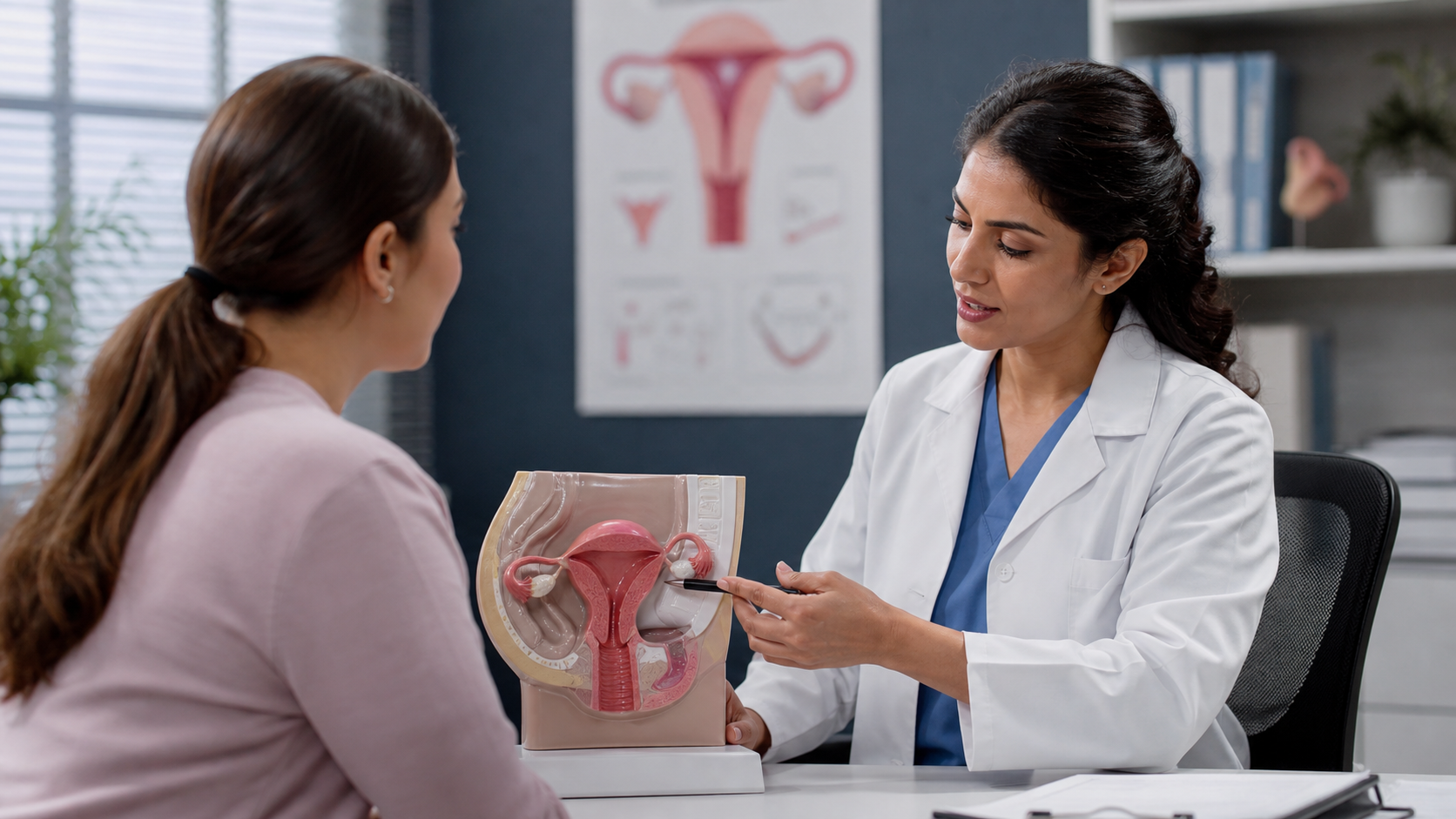
Endometriosis occurs when tissue resembling the endometrium, the tissue lining the inside of the uterus, is present elsewhere in the body.
Lesions are most commonly found around pelvic structures such as the ovaries, pelvic peritoneum and areas near the uterus. Endometriosis can also affect other locations.
This tissue can contribute to inflammation, scarring and adhesions.
Ovarian endometriosis can form cysts called endometriomas.
Is Endometriosis the Same as the Uterine Lining?
No.
Endometriotic lesions have similarities to endometrial tissue but should not simply be described as normal uterine lining growing in the wrong place.
Research has identified biological and molecular differences between endometriotic lesions and normal endometrium.
Using accurate language helps explain why the disease is more complex than misplaced menstrual tissue.
Is Endometriosis a Form of Cancer?
Endometriosis itself is considered a benign condition, meaning it is not cancer.
Research has identified associations between the condition and increased risk of certain uncommon ovarian cancer subtypes, but the absolute risk for an individual remains low.
Having endometriosis does not mean a person will develop cancer.
Where Can Endometriosis Occur?
Common or recognized locations include:
• Ovaries
• Pelvic peritoneum
• Tissue behind the uterus
• Areas around the fallopian tubes
• Bowel
• Bladder or urinary tract
• Pelvic ligaments
Endometriosis outside the pelvis can occur but is less common.
7 Powerful Facts About Endometriosis
Understanding several key facts can help people recognize symptoms and seek appropriate care.
1. Severe Period Pain Should Not Simply Be Dismissed
Some menstrual discomfort is common, but pain that prevents normal daily activity deserves medical assessment.
People with endometriosis may miss work, school or social activities because of symptoms.
Pain that progressively worsens or does not respond adequately to reasonable first line measures is also worth discussing with a healthcare professional.
2. Symptoms Can Occur Outside Menstruation
Endometriosis pain is often associated with periods, but symptoms do not necessarily disappear during the rest of the menstrual cycle.
Some people experience chronic pelvic pain or symptoms associated with bowel movements, urination or sexual activity.
Patterns vary considerably.
3. Disease Extent Does Not Reliably Predict Pain
A person with relatively limited visible disease can experience substantial pain.
Another person with extensive disease may have surprisingly few symptoms.
Pain involves complex inflammatory, neurological and individual factors, so imaging or surgical stage does not fully represent a patient’s lived experience.
4. Normal Imaging Does Not Always Exclude Endometriosis
Ultrasound and MRI can identify some forms of disease, particularly ovarian endometriomas and certain deep endometriosis.
However, superficial disease may not be visible on routine imaging.
A normal scan therefore does not automatically explain away persistent symptoms.
5. Surgery Is Not Always Required Before Treatment
Historically, laparoscopy was often described as the definitive route to diagnosis.
Current clinical practice can allow treatment to begin based on symptoms and clinical assessment without requiring surgery first in many circumstances.
Surgery still has an important diagnostic and therapeutic role for selected patients.
6. Endometriosis Can Affect Fertility
Some people with the condition experience difficulty becoming pregnant, while many conceive naturally.
Endometriosis can influence fertility through several possible mechanisms, including pelvic anatomy, ovarian disease and inflammatory factors.
Individual fertility cannot be predicted from the diagnosis alone.
7. Treatment Should Be Personalized
There is no single best treatment.
Decisions depend on symptoms, age, pregnancy goals, disease location, previous treatment, medical history and personal preferences.
Shared decision making is therefore important.
Endometriosis Symptoms
Symptoms can overlap with several gynecological, gastrointestinal, urinary and musculoskeletal conditions.
Painful Periods
Dysmenorrhea is the medical term for painful menstruation.
With endometriosis, menstrual pain can be severe enough to interfere with ordinary activity.
Some people notice symptoms beginning before bleeding and continuing during or after the period.
Chronic Pelvic Pain
Pelvic pain can occur outside menstruation.
It may be persistent or intermittent.
Chronic pelvic pain has multiple possible causes, so medical assessment should consider other diagnoses rather than assuming endometriosis is always responsible.
Pain During or After Sex
Deep pain during or after penetrative sex can occur with endometriosis.
The medical term dyspareunia is often used for painful sexual intercourse.
Pain during sex can have other causes as well, including pelvic floor conditions and infections.
Endometriosis Symptoms Involving the Bowel or Bladder
Some people experience painful bowel movements, cyclical bowel symptoms, pain with urination or other gastrointestinal or urinary symptoms.
These can overlap with conditions such as irritable bowel syndrome.
Symptoms that consistently worsen around menstruation can be useful information to record for a clinician.
Endometriosis and Heavy Periods
Endometriosis can coexist with heavy menstrual bleeding, although heavy bleeding is not unique to the condition.
Other causes can include fibroids, adenomyosis, hormonal conditions and bleeding disorders.
What Counts as Heavy Bleeding?
Rather than trying to measure exact blood loss at home, consider the practical impact.
Needing unusually frequent product changes, bleeding through clothing or bedding, or developing symptoms of iron deficiency can warrant assessment.
Iron Deficiency and Anaemia
Persistent heavy menstrual bleeding can contribute to iron deficiency and iron deficiency anaemia.
Symptoms can include fatigue, weakness, shortness of breath or palpitations, although these symptoms have many possible causes.
Blood testing can establish whether anaemia or iron deficiency is present.
What Causes Endometriosis?
The exact cause is not fully understood.
Several biological mechanisms have been proposed, and the condition probably cannot be explained through one process alone.
Genetic Factors
Endometriosis can occur more frequently in some families, suggesting a genetic contribution.
Family history increases risk but does not determine whether someone will develop the disease.
Immune and Inflammatory Factors
Research has identified changes in immune and inflammatory processes associated with endometriosis.
Scientists continue to study whether these processes initiate disease, sustain lesions or operate in combination with other mechanisms.
Hormonal Influences
Endometriosis is strongly influenced by hormones, particularly estrogen related pathways.
This is one reason many treatments aim to modify hormonal stimulation.
Is Endometriosis Caused by Lifestyle?
No established evidence supports blaming an individual lifestyle choice for causing endometriosis.
Lifestyle factors can influence general health and symptom experience, but they should not be presented as the root cause of this complex disease.
Be cautious of programs claiming that dietary changes alone can cure it.
How Endometriosis Is Diagnosed
Diagnosis usually begins with a detailed medical history.
Symptom History
A clinician may ask about:
• Period pain
• Pelvic pain
• Bleeding
• Sexual pain
• Bowel symptoms
• Urinary symptoms
• Fertility
• Family history
• Previous treatments
A symptom diary can help identify cyclical patterns.
Physical Examination
A pelvic examination may be offered when clinically appropriate and with consent.
The examination can sometimes identify tenderness, masses or reduced mobility.
A normal examination does not rule out endometriosis.
Ultrasound
Transvaginal ultrasound is commonly used when appropriate.
It can identify ovarian endometriomas and may detect some deep disease when performed by appropriately trained professionals.
Not every lesion is visible.
MRI for Endometriosis
MRI can provide additional information in selected cases, particularly when deep endometriosis is suspected or surgical planning requires detailed mapping.
Its usefulness depends on imaging technique and radiological expertise.
MRI is not required for every person with suspected disease.
Laparoscopy and Endometriosis
Laparoscopy is minimally invasive surgery performed through small abdominal incisions.
Why Is Laparoscopy Performed?
It can allow surgeons to view pelvic structures directly and potentially treat visible disease during the same procedure.
Tissue may be sent for histopathological examination where appropriate.
Does Everyone Need Laparoscopy?
No.
Whether surgery is appropriate depends on symptoms, treatment response, imaging, fertility priorities and other clinical factors.
Some people can begin medical treatment without undergoing diagnostic surgery.
Risks of Surgery
All operations involve risk.
Potential complications depend on procedure complexity and can include bleeding, infection, injury to surrounding structures and anesthesia related complications.
Choosing Surgery for Endometriosis
The decision should involve a discussion of expected benefits, limitations, alternatives and risks.
Deep disease involving the bowel, bladder or ureters may require specialist multidisciplinary expertise.
Ask about the surgeon’s experience with the type of disease suspected.
Endometriosis Treatment Options
Treatment aims to reduce symptoms, improve function and address fertility goals where relevant.
Pain Relief
Nonsteroidal anti inflammatory drugs and other analgesics may be used when medically appropriate.
These medications can have side effects and contraindications.
People with kidney disease, gastrointestinal ulcer risk, cardiovascular concerns or other conditions should seek professional advice before regular NSAID use.
Hormonal Treatment
Hormonal treatment can reduce or suppress menstruation and modify hormone driven symptoms.
Options may include:
• Combined hormonal contraceptives
• Progestogen based treatments
• Certain intrauterine systems
• Gonadotropin releasing hormone therapies
Specific choices depend on health history, side effects and treatment goals.
Surgery
Surgery can remove or destroy visible endometriotic lesions and address selected complications.
Symptoms can recur after surgery.
The possibility of recurrence should form part of informed consent and long term planning.
Endometriosis Treatment and Pregnancy Goals
Some hormonal treatments suppress ovulation and are therefore unsuitable while actively trying to become pregnant.
Tell the clinician whether pregnancy is a current or future priority.
Treatment plans should reflect reproductive goals rather than treating fertility as an afterthought.
Endometriosis and Fertility
A diagnosis does not mean pregnancy is impossible.
Can You Get Pregnant Naturally?
Yes.
Many people with endometriosis conceive without fertility treatment.
Others experience infertility or take longer to become pregnant.
Individual probability depends on multiple factors beyond endometriosis.
When to Seek Fertility Advice
The appropriate timing depends on age, medical history, duration of trying to conceive and known reproductive conditions.
Someone with diagnosed endometriosis may benefit from earlier specialist discussion in certain circumstances.
Fertility Treatments
Assisted reproductive options can include treatments such as in vitro fertilization when clinically appropriate.
A fertility specialist can assess ovarian reserve, tubal factors, semen parameters and other relevant considerations.
Endometriosis Surgery and Fertility
Surgery can help in some fertility situations but is not automatically beneficial before every fertility treatment.
Ovarian surgery can also affect healthy ovarian tissue or ovarian reserve in some circumstances.
Decisions should be individualized with appropriate reproductive and surgical expertise.
Endometriosis and Ovarian Cysts
Endometriomas are ovarian cysts associated with endometriosis.
They are sometimes called chocolate cysts because of their typical contents, although this informal term should not substitute for clinical diagnosis.
Do Endometriomas Always Need Surgery?
No.
Management depends on symptoms, size, appearance, fertility plans and other clinical circumstances.
Surgery has potential benefits and risks.
Follow Up
Clinicians may recommend monitoring in selected cases.
New or changing ovarian masses require appropriate evaluation because not every ovarian cyst is an endometrioma.
Endometriosis and Adenomyosis
These conditions can coexist but are not the same.
Adenomyosis involves endometrial type tissue within the muscular wall of the uterus.
Endometriosis involves similar tissue outside the uterus.
Both can cause painful periods and other pelvic symptoms, which can make clinical distinction important.
Ultrasound or MRI may support evaluation depending on circumstances.
Endometriosis Diet and Lifestyle
Online content often promotes restrictive endometriosis diets.
Evidence does not support one universally effective diet that eliminates the disease.
Balanced Nutrition
A nutritionally adequate diet supports general health.
If symptoms such as bloating or bowel discomfort appear related to certain foods, discussing them with a clinician or qualified dietitian can be useful.
Avoid unnecessarily restrictive diets that create nutritional deficiencies.
Physical Activity
Appropriate exercise can support general physical and mental health.
Some people find activity helpful for symptom management, while severe pain can limit exercise during flares.
Adapt activity to individual tolerance.
Sleep and Stress
Chronic pain can disrupt sleep and increase psychological distress.
Sleep support, pain management and appropriate mental health care can form part of comprehensive treatment.
Can Lifestyle Cure Endometriosis?
There is currently no evidence that exercise, supplements or a particular diet cures endometriosis.
Lifestyle strategies may help some people manage symptoms and overall wellbeing.
They should complement rather than replace indicated medical care.
Endometriosis and Mental Health
Chronic pelvic pain can have substantial psychological effects.
Pain can interfere with work, relationships, intimacy and sleep.
Anxiety or depressive symptoms deserve attention alongside physical symptoms.
Mental health support does not imply that pelvic pain is imaginary or psychological in origin.
Pain management often works best when biological, functional and emotional impacts are all considered.
Endometriosis in Teenagers
Symptoms can begin during adolescence.
Severe menstrual pain in teenagers should not automatically be dismissed as a normal part of growing up.
Signs Worth Discussing With a Clinician
These can include:
• Repeatedly missing school because of periods
• Severe pelvic pain
• Poor response to suitable pain relief
• Gastrointestinal symptoms linked with menstruation
• Family history of the condition
Assessment should be age appropriate and respectful.
Diagnosing Endometriosis in Adolescents
Diagnosis can be challenging because symptoms overlap with other causes of period pain.
Clinicians may begin with history, appropriate examinations or imaging and empirical treatment.
Specialist referral can be considered when symptoms persist or are severe.
Endometriosis Around Menopause
Symptoms often change as reproductive hormones decline, but endometriosis does not become irrelevant automatically after menopause.
Some people have persistent symptoms.
Hormone therapy decisions in someone with a history of endometriosis may require individualized medical advice.
New postmenopausal pelvic pain or bleeding should receive appropriate evaluation rather than being attributed automatically to previous endometriosis.
When to Seek Medical Care
Arrange medical assessment if menstrual or pelvic symptoms are significantly affecting your life.
Persistent painful periods, sexual pain, bowel or bladder symptoms around menstruation or fertility concerns are reasonable reasons to seek care.
When Symptoms Are Urgent
Seek urgent medical evaluation for severe sudden pelvic pain, fainting, heavy bleeding associated with significant weakness, suspected pregnancy with significant pain or bleeding, or other rapidly worsening symptoms.
These symptoms can have causes other than endometriosis, including conditions that require urgent treatment.
Preparing for an Endometriosis Appointment
Preparation can help a clinician understand symptom patterns quickly.
Bring a record of:
• When pain occurs
• Pain severity and location
• Menstrual pattern
• Bleeding changes
• Bowel or bladder symptoms
• Medicines already tried
• Previous imaging or surgery
• Pregnancy goals
• Family history
Explain how symptoms affect daily life rather than minimizing their impact.
Frequently Asked Questions
What is endometriosis?
Endometriosis is a chronic condition in which tissue similar to the uterine lining exists outside the uterus, potentially causing inflammation, pain and fertility problems.
What are the main symptoms of endometriosis?
Common symptoms include painful periods, chronic pelvic pain, pain during or after sex, cyclical bowel or bladder symptoms and difficulty becoming pregnant.
How is endometriosis diagnosed?
Diagnosis can involve medical history, clinical assessment and imaging such as ultrasound or MRI. Laparoscopy is used when appropriate but is not necessary in every case.
Can endometriosis be cured?
There is currently no universal definitive cure. Medical treatments, surgery and multidisciplinary care can effectively manage symptoms for many people.
Can endometriosis cause infertility?
It can be associated with reduced fertility, but many people with endometriosis become pregnant naturally. Individual fertility depends on multiple factors.
Does endometriosis always require surgery?
No. Hormonal and pain treatments can be appropriate without surgery for many patients, while surgery is considered according to symptoms, imaging, treatment response and fertility goals.
Conclusion
Endometriosis is a complex chronic condition that can affect pain, menstruation, bowel or bladder function, fertility and overall quality of life. Severe period pain or persistent pelvic symptoms should not simply be accepted without assessment, and normal imaging does not always exclude the disease. Treatment should be individualized around symptoms, reproductive goals and personal preferences, using medical, surgical or supportive approaches where appropriate. Anyone concerned about endometriosis should seek assessment from a qualified healthcare professional who can evaluate symptoms and discuss evidence based options.