Recovery Zone: 7 Essential Infrared Sauna Benefits for Peak Athletic Performance, Rapid Muscle Repair, and Systemic Wellness
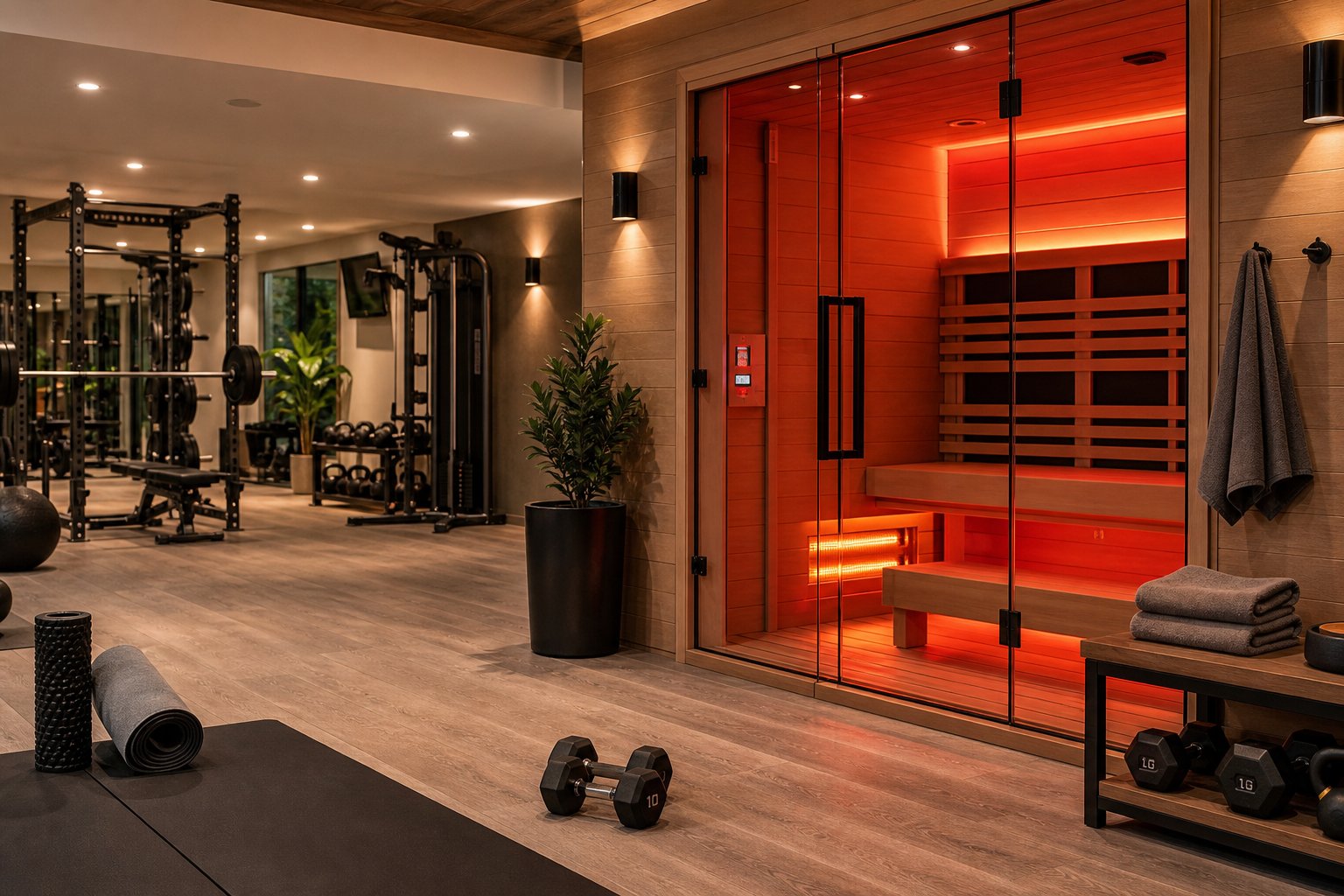
In modern strength training, endurance athletics, and functional fitness, dedicated athletes have come to realize a fundamental physiological truth: progress is stimulated during the workout, but true adaptation and growth occur entirely during the rest window. Incorporating an infrared sauna into your personal Recovery zone establishes a consistent sanctuary that accelerates tissue repair, eases neuromuscular fatigue, and downregulates the central nervous system after intense physical exertion. For decades, traditional Finnish rock-and-steam saunas dominated post-workout thermal therapy; however, their stifling air temperatures exceeding 190°F often feel suffocating, harsh on the respiratory tract, and physically exhausting after a brutal lifting session. In contrast, far-infrared technology utilizes gentle radiant light waves that penetrate deep beneath the skin’s surface to warm core muscle tissue directly at comfortable, breathable temperatures between 120°F and 150°F. Designing a dedicated space for thermal contrast, mobility work, and radiant heat therapy transforms recovery from an easily skipped afterthought into an enjoyable, performance-enhancing ritual.
The Physiology of Thermal Adaptation: Why Infrared Recovery Works
Understanding the cellular mechanics of far-infrared radiation (FIR) reveals why light-wave thermal therapy delivers profound advantages over ambient convective heat.
1. Direct Deep-Tissue Penetration vs. Surface Heating
Convection heating warms the air in the room, forcing the body to absorb thermal energy through skin contact:
- The Infrared Electromagnetic Spectrum: Far-infrared waves operate within the 5.6 to 15-micrometer wavelength band, which closely matches the human body’s natural radiant frequency.
- Subcutaneous Absorption: Rather than merely superheating surrounding air molecules, FIR waves penetrate two to four centimeters into subcutaneous tissue, warming dense muscle bellies, fascia, ligaments, and articular joint capsules directly.
- Cardiovascular and Hemodynamic Responses: As deep core temperature gently rises, blood vessels dilate (vasodilation), increasing cardiac output and peripheral blood flow without causing excessive spikes in blood pressure.
2. Microcirculation and Accelerated Metabolic Clearance
Heavy resistance training and sprinting produce micro-trauma in muscle fibers, releasing metabolic byproducts and inflammatory cytokines:
- Enhanced Oxygen & Nutrient Delivery: Amplified blood circulation floods fatigued tissues with oxygenated red blood cells, branch-chain amino acids, and repair hormones necessary for cellular protein synthesis.
- Flushing Metabolic Waste: Improved vascular and lymphatic flow accelerates the clearance of lactic acid, cellular debris, and inflammatory metabolites that trigger delayed-onset muscle soreness (DOMS).
3. Neuromuscular Recovery and Explosive Performance Preservation
Rigorous sports science research demonstrates tangible athletic benefits:
- Preserving Neuromuscular Output: Clinical sports medicine studies tracking competitive team-sport athletes reveal that a 15-to-20-minute post-exercise far-infrared sauna session significantly attenuates the next-day drop in countermovement jump (CMJ) performance compared to passive rest.
- Alleviating Perceived Soreness: Athletes utilizing far-infrared therapy consistently report substantially lower ratings of perceived muscle tightness, allowing them to train with higher weekly volume and greater technical intensity.
Traditional Steam Saunas vs. Far-Infrared Therapy
Evaluating the operational and physiological distinctions between traditional steam rooms and infrared cabins highlights why infrared systems have become the gold standard for dedicated training spaces.
Heat Transfer Mechanisms and Thermal Stress
Traditional saunas rely on electrical heating elements or wood stoves to superheat rocks, heating the room air to extreme temperatures (170°F to 200°F):
- The Respiratory Challenge: Breathing air near the boiling point of water can irritate mucous membranes and trigger claustrophobia, limiting session duration to 10–15 uncomfortable minutes.
- The Infrared Advantage: Operating at a mild 120°F to 140°F, infrared cabins allow athletes to breathe naturally, relax deeply, and sustain therapeutic 20-to-30-minute sessions that facilitate meaningful systemic recovery without excessive cardiovascular distress.
Thermal Modality Comparison Matrix
| Recovery Attribute | Traditional Convection Steam Sauna | Far-Infrared (FIR) Cabin | Portable Hot Tub / Jacuzzi |
|---|---|---|---|
| Operating Temperature | 170°F to 200°F (76°C to 93°C) | 120°F to 150°F (49°C to 65°C) | 100°F to 104°F (37°C to 40°C) |
| Primary Heat Mechanism | Convection (Heated room air) | Radiant light waves (Direct tissue heating) | Conduction (Heated water immersion) |
| Tissue Penetration Depth | Superficial skin layer (~1-2 mm) | Deep subcutaneous tissue (~20-40 mm) | Superficial muscle layer (~5-10 mm) |
| Breathing Comfort | Heavy, humid, can feel suffocating | Light, natural ambient room air | Moderate humidity |
| Optimal Session Length | 10 to 15 Minutes | 20 to 30 Minutes | 15 to 20 Minutes |
| Maintenance & Water Care | High (Mold, mildew, humidity management) | Very Low (Dry heat, wipe-down cabin) | High (Chemical balancing, pump filters) |
| Parasympathetic Activation | High initial stress, then relaxation | Gentle, immediate rest-and-digest | Moderate (Hydrostatic pressure) |
Designing an Optimal Home Fitness Recovery Space
Creating an integrated recovery environment adjacent to your primary workout floor removes friction and cements recovery as an automatic post-workout habit.
1. Spatial Layout and Traffic Flow
- Proximity to Equipment: Positioning an infrared cabin just steps away from your squat rack or cardio machine ensures you transition smoothly into heat therapy while your muscles are still warm and pliable.
- Ventilation and Flooring: Ensure proper clearance around the cabin and set up antimicrobial, sweat-resistant rubber flooring or natural bamboo slatted mats for easy post-session cleaning.
2. Integrating Active Recovery Modalities
A comprehensive wellness space combines multiple complementary recovery tools alongside radiant heat:
- Foam Rolling & Myofascial Tools: High-density foam rollers, vibrating massage balls, and percussion therapy guns allow you to break up fascial adhesions before or after entering the cabin.
- Mobility Bands & Stretching Mats: Dedicated yoga mats and resistance stretching straps facilitate gentle mobility flows while deep tissues remain warm and pliable from the heat.
- Thermal Contrast Hydration Station: Keep an insulated water bottle stocked with cold electrolyte water or coconut water to replenish essential sodium, magnesium, and potassium lost through perspiration.
Mental Health and Autonomic Nervous System Regulation
The benefits of thermal therapy extend far beyond physical muscle fibers into the endocrine and central nervous systems.
Activating the Parasympathetic “Rest and Digest” State
Intense training places the human body into a sympathetic state—the “fight or flight” mode characterized by elevated heart rate and surges in adrenaline and cortisol:
- Cortisol Modulation: While acute cortisol spikes during exercise are normal, chronically high cortisol hinders muscle repair, promotes catabolism, and disrupts natural circadian rhythms.
- Shifting the Nervous System: Sitting quietly in the radiant warmth of an infrared sauna downregulates sympathetic tone, stimulates the vagus nerve, and activates the parasympathetic nervous system, lowering resting heart rate and inducing deep mental calm.
Improving Sleep Architecture and Growth Hormone Release
Quality sleep is the ultimate biological engine of muscle repair:
- Thermoregulatory Sleep Triggers: Raising core body temperature slightly 60 to 90 minutes before bedtime facilitates a subsequent natural rapid drop in core body temperature, which triggers the brain’s pineal gland to release melatonin.
- Deeper Slow-Wave Sleep: Athletes engaging in regular evening infrared sessions consistently experience longer phases of deep stage-3 slow-wave sleep—the precise sleep cycle where the pituitary gland secretes human growth hormone (HGH) to rebuild torn muscle tissue.
Best Practices and Protocols for Infrared Sauna Use
To maximize physiological adaptation and ensure personal safety, follow structured recovery protocols.
Optimal Frequency and Timing
- Post-Workout Application: Enter the cabin within 15 to 30 minutes following your workout. Begin with 15-minute sessions three times weekly, gradually progressing to 25–30 minutes as your heat tolerance develops.
- Hydration Protocols: Drink at least 16 to 24 ounces of water with added electrolytes prior to entering the sauna, and drink another 16 ounces immediately afterward to restore fluid balance.
- Pre-Workout Warm-Up: A brief 5-to-8-minute light infrared session can also serve as an effective cold-weather pre-workout warm-up, increasing joint synovial fluid viscosity and easing tendon stiffness before heavy lifting.
Frequently Asked Questions About Infrared Sauna Recovery
Does using an infrared sauna after a workout build more muscle?
While an infrared sauna does not directly trigger muscle hypertrophy, it accelerates neuromuscular recovery, reduces perceived soreness, and lowers cortisol, allowing you to train with higher frequency and consistency.
How does an infrared sauna differ from a traditional sauna?
Traditional saunas heat the air up to 200°F using steam and heated rocks, whereas infrared saunas use gentle radiant light waves (120°F to 150°F) to warm muscle tissue directly, making breathing and longer sessions much more comfortable.
How long should I stay inside an infrared sauna after training?
Beginners should start with 10 to 15 minutes at around 125°F to 130°F, while experienced users can comfortably stay for 20 to 30 minutes at 140°F to 150°F for optimal recovery.
Can an infrared sauna help reduce delayed-onset muscle soreness (DOMS)?
Yes, far-infrared light waves improve deep microcirculation and vasodilation, flushing out inflammatory metabolic waste and significantly easing delayed-onset muscle soreness.
How many times per week should I use an infrared sauna for recovery?
Most athletic research and sports medicine protocols recommend using an infrared sauna three to four times per week after training sessions to achieve balanced recovery benefits.
Should I hydrate with plain water or electrolytes after a sauna session?
Because heavy sweating depletes vital sodium, potassium, and magnesium, pairing your water with a balanced electrolyte supplement is strongly recommended to maintain proper cellular hydration.
Conclusion
Maximizing physical fitness and long-term athletic longevity requires balancing rigorous physical exertion with equally deliberate physical restoration. Building a dedicated Recovery zone equipped with a far-infrared sauna provides the ultimate foundation for proactive muscle repair, joint relief, and nervous system regulation. By penetrating deep into muscular tissue at comfortable, breathable temperatures, radiant light therapy enhances blood circulation, flushes metabolic debris, and alleviates painful delayed-onset muscle soreness without the stifling heat of traditional steam rooms. Integrating consistent heat therapy alongside smart hydration and mobility work not only prepares your body for the next intense training session, but also promotes restorative sleep, lower stress levels, and lifelong vitality. Invest in your recovery today to unlock the full potential of your athletic performance tomorrow.