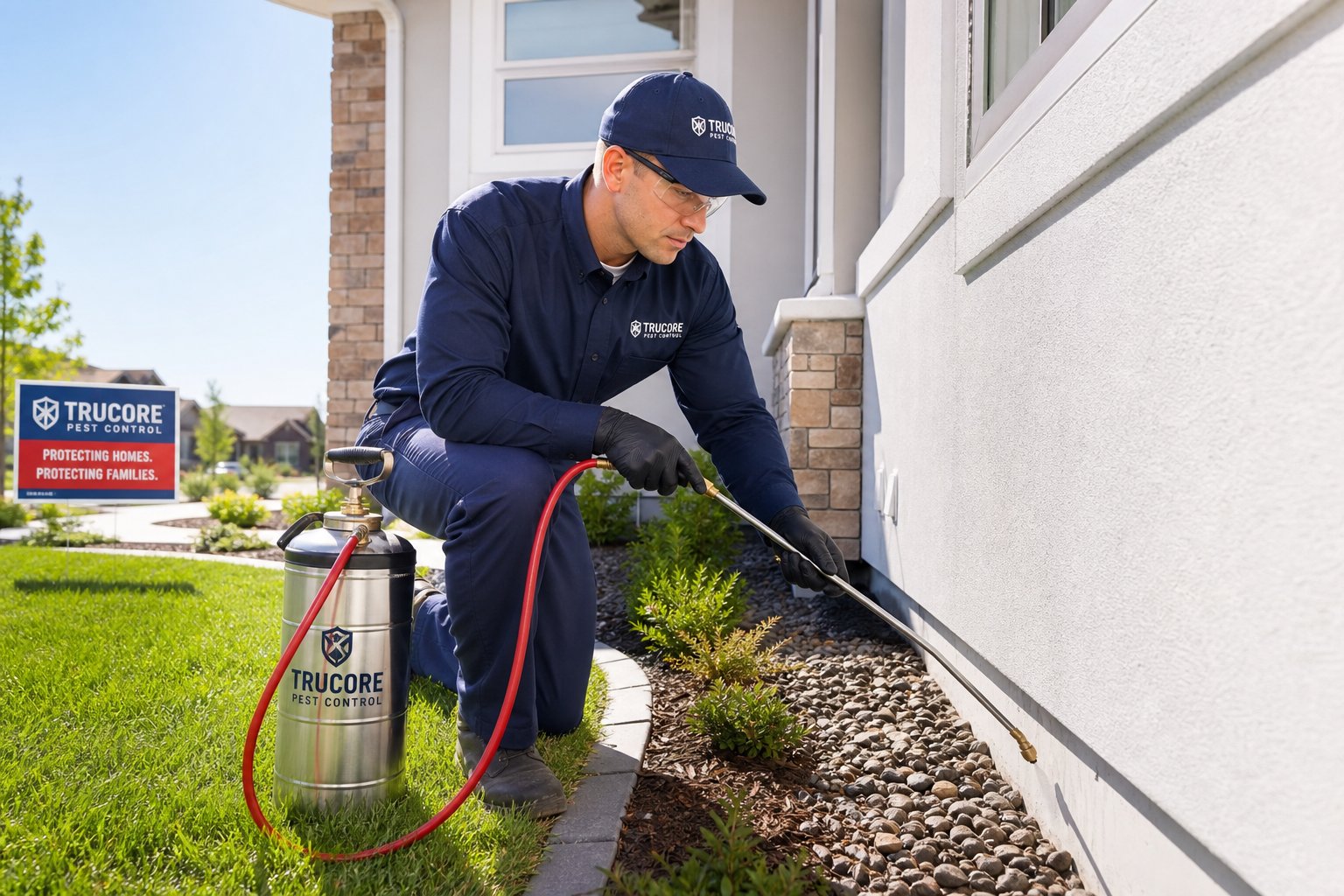
Monthly Pest Control Service: 7 Proven Secrets for a Pest-Free Home, Total Prevention, and Family Peace of Mind
Suburban and urban residential properties face constant pressure from invasive pest populations driven by changing weather patterns, seasonal temperature extremes, landscaping irrigation, and structural aging. Establishing a certified monthly pest control service creates a continuous protective barrier around your property, neutralizing invading insect colonies and rodent populations before they establish nesting sites inside living spaces. While many homeowners adopt a reactive approach—purchasing off-the-shelf bug sprays only after spotting cockroaches in the kitchen or discovering subterranean rodent droppings in the pantry—reactive treatments fail to eliminate reproductive source colonies hidden within wall voids and exterior soil margins. Partnering with licensed pest management professionals who implement Integrated Pest Management protocols disrupts biological breeding cycles, protects structural building foundations from wood-destroying organisms, and safeguards family health against vector-borne disease transmission throughout every season.
The Biological Necessity of Continuous Perimeter Defense
Insects and rodents are biological survival specialists driven by three survival imperatives: accessible moisture, caloric food sources, and harborage shelter from environmental extremes. Understanding the biological reproductive dynamics of common domestic pests illustrates why sporadic, one-off treatments prove ineffective over the long term.
Disrupting Rapid Insect Reproductive Lifecycles
Most common household pests exhibit short reproductive gestation timelines and exponential population growth:
- German Cockroaches: A single female German cockroach carries an egg capsule (ootheca) containing up to forty embryonic nymphs, with generational maturation occurring in under forty days. Under warm indoor kitchen conditions, a single pair can produce tens of thousands of descendants within a single calendar year.
- Subterranean Termites: Worker termites feed twenty-four hours a day, tunneling through foundation cracks as narrow as 1/32nd of an inch to devour cellulose wall framing, baseboards, and structural roof joists.
- Structural House Ants (Argentine, Odorous House, and Carpenter Ants): Form multi-queen super-colonies that branch into satellite nesting sites inside wall cavities, ceiling voids, and electrical junction boxes.
A monthly pest control service applies specialized insect growth regulators and residual microencapsulated products that interrupt egg development and juvenile molting cycles, breaking the reproductive chain before new generations mature.
Overcoming the Environmental Breakdown of Chemical Barriers
Modern exterior residual barrier treatments are engineered to be environmentally responsible, which means they are designed to break down naturally over time. Outdoor environmental elements—including solar ultraviolet radiation, heavy rain runoff, automated lawn irrigation sprinklers, and soil microbial activity—naturally degrade chemical barriers over a twenty-eight to thirty-day window. If service intervals stretch to ninety or one hundred twenty days, wide protective gaps emerge around your home’s foundation, allowing foraging scout insects to cross property thresholds undetected.
Protecting Indoor Air Quality and Household Health
Invasive pests are vectors for significant medical hazards that directly threaten household health:
- Allergens and Asthma Triggers: Cockroach droppings, saliva, and cast-off exoskeletons contain potent microscopic proteins that become airborne, triggering severe pediatric asthma attacks and chronic respiratory inflammation.
- Food Contamination and Pathogens: House flies, cockroaches, and mice crawl through outdoor sewers, compost piles, and decomposing matter before walking across kitchen countertops, transmitting dangerous pathogens like Salmonella, E. coli, and Listeria.
- Parasites and Vector Diseases: Rodents harbor disease-bearing fleas, mites, and ticks that can transmit murine typhus, leptospirosis, and Lyme disease to family members and household pets.
The Principles of Integrated Pest Management (IPM)
Modern commercial and residential pest eradication has advanced beyond indiscriminate chemical spraying. High-caliber pest control operators adhere to the principles of Integrated Pest Management (IPM)—a holistic, science-driven methodology combining biological understanding, structural exclusion, habitat manipulation, and targeted chemical applications.
Thorough Inspection and Habitat Identification
Every monthly service begins with a comprehensive site assessment:
- Identifying Entry Apertures: Locating unsealed plumbing penetrations, damaged door sweeps, torn window screens, and weep holes in brick facades.
- Moisture Source Audits: Pinpointing leaking outdoor hose bibs, dripping air conditioner condensation lines, and clogged roof gutters that create moist breeding grounds for termites, mosquitoes, and silverfish.
- Harborage Reduction: Inspecting exterior landscape perimeters, stacked firewood piles, and dense groundcover foliage contacting exterior walls that provide easy bridge pathways for insects.
Physical Mechanical Exclusion and Perimeter Proofing
Pest management technicians utilize specialized construction materials to physically block structural entry corridors:
- Copper Mesh and Steel Wool: Packing stainless steel or copper mesh into foundation gaps, brick weep holes, and exterior conduit voids to stop gnawing rodents.
- Silicone-Polyurethane Sealants: Caulking hairline perimeter joints around window casings, electrical junction boxes, and door thresholds.
- Specialized Door Sweeps: Installing heavy-duty, nylon-brush or rubber door sweeps that seal large gaps beneath garage doors and exterior entry doors.
Targeted Non-Repellent Chemical Chemistry
Pest management technology has moved away from harsh, noxious repellent sprays that merely disperse insects deeper into wall voids:
- Non-Repellent Liquid Formulations: Modern compounds (such as fipronil or chlorfenapyr) are completely undetectable to foraging insects. Foraging worker ants and termites pass freely through the treated barrier without alarm, unknowingly coating their bodies in microscopic active ingredients.
- The “Transfer Effect” Dynamic: Upon returning to the central subterranean nest, contaminated foragers groom, interact with, and feed nestmates and the reproductive queen, systematically transferring the active ingredient throughout the entire colony to achieve total nest eradication within days.
Service Cadence and Efficacy Matrix
| Management Approach | Treatment Frequency | Chemical Barrier Integrity | Colony Eradication Potential | Long-Term Cost Predictability |
|---|---|---|---|---|
| DIY Over-the-Counter Sprays | Irregular / Reactive | Very Low (Degrades in 3–7 days) | Poor (Only kills visible surface bugs) | High unpredictability & waste |
| Quarterly Service (Every 3 Mo.) | Once Every 90 Days | Moderate (60-day protection gap) | Moderate (Catches established pests) | Moderate fixed annual cost |
| Dedicated Monthly Service | Every 30 Days | Continuous 100% active barrier | High (Eliminates scouts & breeding cycles) | Highly predictable monthly budget |
| Emergency One-Time Clean-Out | Standalone Call-Out | Zero sustained protection | Low (Pests return once chemical dissipates) | Highest per-incident emergency rates |
| Whole-Home Structural Fumigation | Once per Decade | Total knockdown of current drywood pests | Total knockdown (Zero residual barrier) | Substantial multi-thousand dollar cost |
Year-Round Seasonal Adaptations in Pest Control Strategy
Pest behavior changes dramatically with seasonal shifts, requiring technicians to adapt treatment targets throughout the year.
Spring: Emergence and Colony Budding
As soil temperatures rise and spring rains arrive, overwintering insect colonies awaken. Winged reproductive termites and carpenter ants emerge on warm, humid afternoons in massive mating swarms, seeking out damp wooden framing to establish new colonies. Monthly spring visits focus on inspecting foundation perimeters for mud tubes, deploying exterior termite monitoring stations, and spraying liquid barriers along thawing soil lines.
Summer: Peak Insect Activity and Foraging
During intense summer heat, insect populations reach peak densities. Ants, wasps, flies, and mosquitoes multiply rapidly outdoors while seeking indoor air-conditioned spaces for moisture. Monthly summer protocols include:
- De-webbing exterior eaves, porch overhangs, and window casings to remove spider webs and wasp nesting cones.
- Applying targeted mosquito larvicide dunks to stagnant water catch basins and French drains.
- Establishing microencapsulated perimeter granular barriers in decorative mulch and gravel beds.
Autumn: Overwintering Rodent Infiltration and Stink Bugs
As nighttime temperatures drop in September and October, field mice, roof rats, and overwintering bugs (such as boxelder bugs and brown marmorated stink bugs) seek warm shelter inside wall insulation and attics. Technicians transition to rodent defense:
- Inspecting attic crawl spaces and sub-flooring for rodent droppings and gnaw marks.
- Baiting, servicing, and securing tamper-resistant exterior rodent bait stations along foundation walls.
- Sealing low-level foundation vents and crawl space covers.
Winter: Indoor Monitoring and Wall Void Treatments
While outdoor insect activity subsides in freezing climates, pests that successfully entered the home during autumn nest quietly inside warm wall voids, kitchen baseboards, and water heater closets. Technicians focus on:
- Internal perimeter inspections around kitchen sinks, dishwasher water lines, and laundry utility boxes.
- Dusting inaccessible wall voids and plumbing access panels with non-toxic desiccant dusts (such as boric acid or diatomaceous earth) that dehydrate hiding insects without evaporating.
- Monitoring sticky glue boards inside garages, basements, and utility closets to track subtle insect activity.
Frequently Asked Questions About Monthly Pest Control Service
Why is a monthly pest control service better than calling an exterminator only when I see bugs?
A monthly service proactively prevents infestations by keeping continuous perimeter barriers active and catching small incursions early, whereas calling reactively means pests have already nested and caused damage inside your walls.
Are the treatments used during a monthly pest control service safe for pets and children?
Yes, licensed pest control professionals utilize EPA-registered, family- and pet-safe products applied in targeted areas (such as baseboards, exterior perimeters, and tamper-resistant bait stations) where children and pets cannot access them.
Do I need to be home for every monthly pest control service visit?
No, the vast majority of ongoing monthly maintenance focuses on fortifying the exterior foundation, treating landscape beds, and sweeping eaves, which technicians can complete while you are at work or running errands.
Will I still see bugs inside my home after starting a monthly pest service?
You may notice a brief increase in visible insect activity during the first two weeks as active ingredients flush hidden pests out of nesting voids; however, populations decline rapidly once the barrier takes hold.
Does monthly pest control prevent subterranean termites and bedbugs?
Standard general pest control plans cover common crawling insects (ants, roaches, spiders, crickets), while specialized treatments for subterranean termites and bedbugs require dedicated structural protection endorsements.
Can monthly treatments continue effectively if it rains on the day of service?
Yes, professional exterior granules and modern microencapsulated liquid formulations are water-insoluble once dry, and rain actually helps wash granular treatments into the root zone where pests nest.
Conclusion
A home is your most valuable financial investment and a personal sanctuary where your family deserves to live in comfort, safety, and hygiene. Implementing a structured monthly pest control service replaces stressful reactive extermination calls with a proactive, science-backed defense strategy that stops infestations before they begin. By systematically interrupting reproductive lifecycles, fortifying exterior foundation perimeters against seasonal weather pressures, and applying targeted Integrated Pest Management techniques, professional pest technicians protect your living spaces from structural damage, food contamination, and airborne allergens. Investing in continuous professional pest prevention delivers reliable, year-round peace of mind, ensuring your home remains clean, healthy, and completely pest-free across every season.