Roof Replacement: A Complete Guide to Protecting Your Home and Increasing Property Value
A strong roof is one of the most important parts of any property. It protects the interior of a home from rain, wind, snow, heat, and changing weather conditions while helping maintain comfort and structural safety. However, even the highest-quality roofing materials eventually wear down and require professional attention.
When repairs are no longer enough, Roof Replacement becomes an important investment for restoring protection, improving energy efficiency, and enhancing the overall appearance of a property.
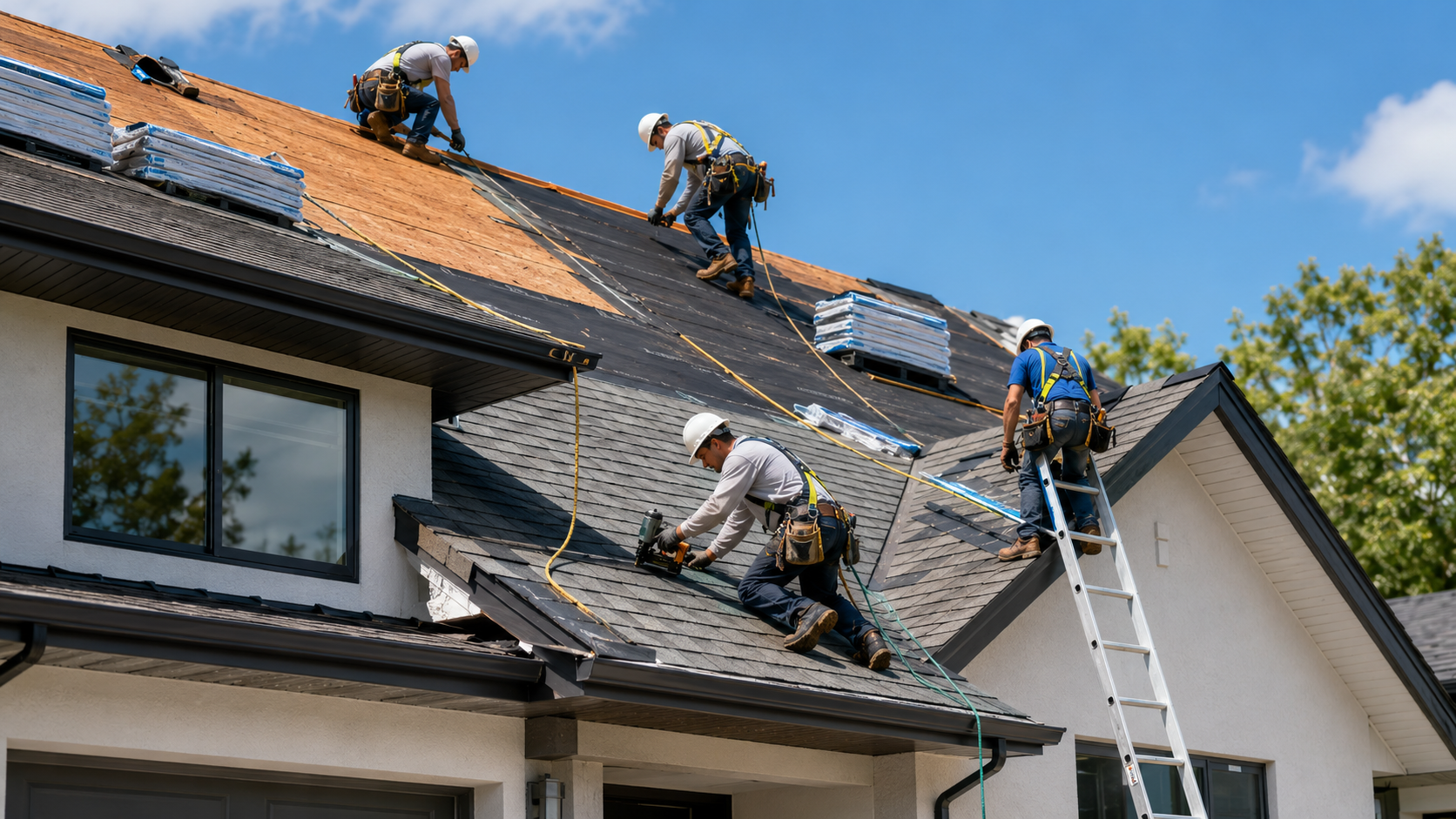
A roof replacement project involves much more than simply installing new shingles. It requires careful inspection, removal of old materials, checking the underlying structure, installing proper protection layers, and ensuring the new roofing system is built to last.
For homeowners, understanding when replacement is necessary and how the process works can help make better decisions and avoid costly future problems.
Why Roof Replacement Is Important
The roof is constantly exposed to environmental conditions. Over time, sunlight, storms, moisture, temperature changes, and natural aging can weaken roofing materials.
A damaged or aging roof may lead to problems such as:
- Water leaks
- Mold and moisture damage
- Poor insulation performance
- Higher energy costs
- Reduced property value
- Structural damage
Replacing an old roof helps restore the protective barrier between your home and outside elements.
A professionally installed roof provides:
- Better weather protection
- Improved appearance
- Increased durability
- Greater peace of mind
Signs Your Home May Need Roof Replacement
Many homeowners are unsure whether they need roof repairs or a complete replacement. Understanding common warning signs can help identify when replacement may be the better solution.
Aging Roofing Materials
Most roofing systems have a limited lifespan. As materials approach the end of their expected service life, they become more vulnerable to damage.
An older roof should be professionally inspected even if major problems are not visible.
Missing or Damaged Shingles
Shingles protect the roof from moisture and weather exposure. Missing, cracked, curling, or damaged shingles can allow water to enter the roofing system.
Widespread shingle damage often indicates that replacement may be more practical than repeated repairs.
Frequent Roof Leaks
A single small leak may be repairable, but repeated leaks can indicate deeper roofing problems.
Ongoing water intrusion may damage:
- Attic insulation
- Wooden structures
- Ceilings
- Interior walls
A professional inspection can determine whether repair or replacement is the right option.
Sagging Roof Areas
A roof should maintain a stable and even structure. Sagging sections may indicate moisture damage, weakened decking, or structural concerns.
These issues require immediate professional evaluation.
Benefits of Professional Roof Replacement
Replacing a roof is a major home improvement project, but it provides many long-term advantages.
Improved Home Protection
A new roofing system creates a stronger barrier against rain, wind, snow, and other environmental factors.
Proper installation helps prevent water damage and improves overall property protection.
Increased Property Value
A new roof improves curb appeal and can make a home more attractive to potential buyers.
Roof condition is an important factor considered during property evaluations because it affects future maintenance costs.
Better Energy Efficiency
An aging roof may allow heat transfer and reduce insulation performance.
A properly installed roofing system can help maintain indoor temperatures and support better energy efficiency.
Reduced Maintenance Costs
Older roofs often require frequent repairs. A replacement reduces the need for repeated maintenance and provides more reliable performance.
Understanding the Roof Replacement Process
A professional roof replacement follows several important steps to ensure quality results.
Initial Roof Inspection
The process begins with a detailed inspection of the existing roof.
Professionals evaluate:
- Roofing materials
- Structural condition
- Moisture damage
- Ventilation
- Flashing and drainage systems
This inspection helps determine the right replacement approach.
Removing the Old Roof
A proper replacement usually involves removing existing roofing materials.
This allows professionals to:
- Identify hidden damage
- Inspect the roof deck
- Remove compromised materials
- Build on a strong foundation
Installing new materials over damaged roofing can hide problems and reduce long-term performance.
Checking and Repairing the Roof Deck
The roof deck provides the foundation for the roofing system.
During replacement, professionals inspect for:
- Rot
- Soft areas
- Moisture damage
- Weak sections
Damaged areas should be repaired before installing new roofing materials.
Installing Protective Layers
Modern roofing systems include multiple protective components.
These may include:
- Underlayment
- Moisture barriers
- Flashing
- Ventilation systems
- Drip edges
These layers help improve durability and protect against leaks.
Installing New Roofing Materials
The final step involves installing new shingles or roofing materials according to manufacturer guidelines.
Proper installation ensures:
- Better performance
- Longer lifespan
- Stronger weather resistance
Choosing the Right Roofing Materials
Different roofing materials provide different benefits. The best choice depends on climate, budget, style preferences, and long-term goals.
Asphalt Shingles
Asphalt shingles are one of the most common residential roofing options.
Advantages include:
- Affordable cost
- Wide variety of designs
- Reliable durability
- Easy maintenance
Metal Roofing
Metal roofing offers excellent durability and long-term performance.
Benefits include:
- Resistance to harsh weather
- Long lifespan
- Modern appearance
- Low maintenance needs
Premium Roofing Materials
Some homeowners choose premium materials for enhanced appearance and performance.
These options may provide:
- Unique designs
- Higher durability
- Increased property appeal
A professional roofing contractor can help homeowners select the right material for their needs.
The Importance of Proper Roof Ventilation
Ventilation is an important part of a successful roofing system.
Poor ventilation can contribute to:
- Moisture buildup
- Heat accumulation
- Reduced roof lifespan
- Ice-related problems in colder climates
A properly designed ventilation system allows air movement through the attic and helps maintain balanced temperatures.
Common Roof Replacement Mistakes to Avoid
Roof replacement is a significant investment, so avoiding common mistakes is important.
Choosing Only Based on Price
The cheapest option may not provide the best value.
Low-quality materials or poor installation can create expensive problems later.
Ignoring Contractor Experience
Roof installation requires skill and knowledge.
Choosing inexperienced workers may result in improper installation and reduced roof performance.
Skipping Inspections
Without proper inspection, hidden damage may remain underneath the new roofing system.
Using Poor-Quality Materials
Quality materials contribute to better durability and longer performance.
How to Choose the Right Roof Replacement Contractor
Selecting the right professional is one of the most important decisions during a roofing project.
Consider these factors:
Experience
Experienced contractors understand different roofing systems and installation requirements.
Certifications and Training
Professional certifications can indicate that a contractor follows manufacturer standards and industry practices.
Insurance and Licensing
Reliable contractors should have proper licensing and insurance to protect homeowners.
Clear Communication
A trustworthy contractor should explain:
- Project timeline
- Material options
- Costs
- Warranty details
Good communication creates a smoother experience from start to finish.
Preparing Your Home for Roof Replacement
Homeowners can make the replacement process easier by preparing their property.
Helpful steps include:
- Removing fragile items from walls and ceilings
- Protecting outdoor furniture
- Moving vehicles away from work areas
- Preparing for construction noise
- Discussing access requirements with contractors
Proper preparation helps reduce disruption during the project.
How Roof Replacement Protects Your Long-Term Investment
A home is one of the largest investments most people make. Maintaining its exterior systems is essential for protecting that investment.
A new roof provides:
- Better structural protection
- Improved appearance
- Increased comfort
- Lower repair concerns
- Greater confidence in property condition
Professional roof replacement is not simply an expense; it is a long-term investment in safety, durability, and property value.
Frequently Asked Questions (FAQs)
How do I know if I need roof replacement or repair?
If damage is limited to a small area, repairs may be enough. However, widespread damage, frequent leaks, or an aging roof often indicate replacement is the better option.
How long does a roof replacement take?
The timeline depends on roof size, materials, weather conditions, and project complexity. Many residential replacements can be completed within a few days.
What is the best roofing material for a home?
The best material depends on budget, climate, design preferences, and durability requirements. Professional guidance can help homeowners choose the right option.
How often should a roof be inspected?
Regular inspections help identify problems early. Many homeowners benefit from professional roof inspections after severe weather or as the roof ages.
Is roof replacement a good investment?
Yes. A new roof improves protection, appearance, energy efficiency, and overall property value.
Conclusion
A damaged or aging roof can create serious problems if it is not addressed properly. From preventing water damage to improving property appearance, a reliable roofing system plays an essential role in protecting your home.
Roof Replacement provides homeowners with a long-term solution when repairs are no longer enough. By choosing quality materials, proper installation methods, and experienced professionals, homeowners can enjoy better protection, improved efficiency, and greater peace of mind.
Investing in a new roof is not only about replacing old materials; it is about creating a stronger, safer, and more valuable home for the future.