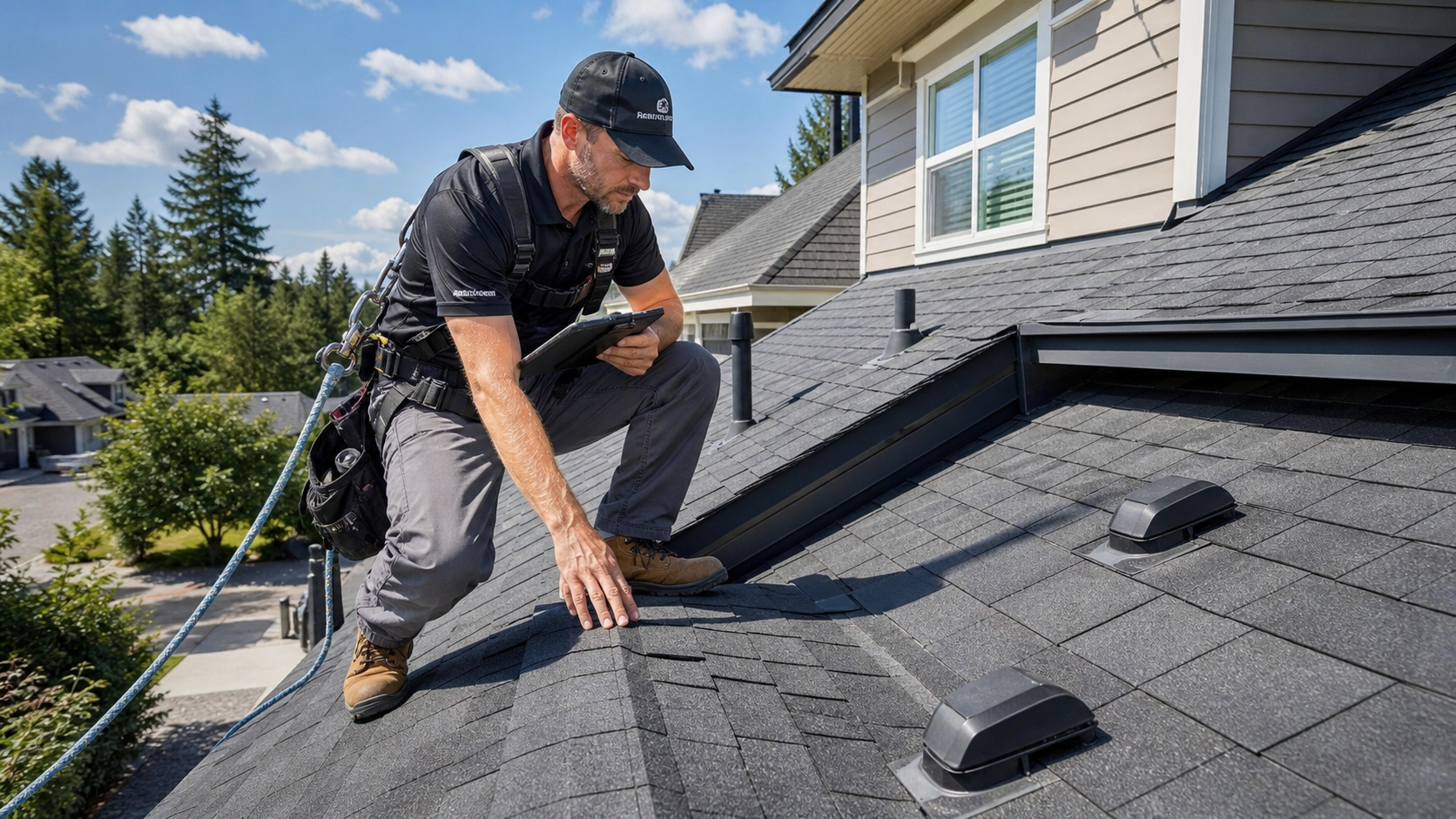
Roof Inspections Explained: How to Find Problems Before They Become Major Repairs
Regular roof inspections can reveal damaged roofing, deteriorated flashing, drainage problems, storm related issues, and signs of moisture intrusion before those conditions become obvious inside a home. A useful inspection evaluates more than shingles because a residential roofing system also includes underlayment, flashing, valleys, penetrations, roof edges, drainage components, and connections to other parts of the building. Some conditions can be observed safely from the ground or attic, while a thorough assessment may require a qualified professional with appropriate access and fall protection. Knowing what an inspection should cover helps homeowners maintain their roofs without relying on guesswork.
What Are Roof Inspections?
Roof inspections are systematic assessments of roofing materials, components, drainage, penetrations, and accessible interior areas for evidence of damage, deterioration, water entry, or installation problems.
The scope varies according to the building and purpose of the inspection.
A basic homeowner check may involve observations from ground level after severe weather. A professional evaluation can include closer examination of roof coverings, flashing, penetrations, drainage, accessible attic conditions, and other relevant components.
What Is the Purpose of a Roof Inspection?
The main purpose is to identify existing conditions and determine whether maintenance, repair, additional investigation, or replacement should be considered.
An inspection can help answer questions such as:
• Are roofing materials visibly damaged?
• Is flashing deteriorated or displaced?
• Are gutters and drainage pathways functioning?
• Are penetrations properly detailed?
• Is there evidence of active or previous water intrusion?
• Are repairs required?
• Does widespread deterioration justify discussing replacement?
A competent inspection should distinguish observed conditions from predictions or assumptions.
Roof Inspection Versus Roof Certification
These terms should not automatically be treated as interchangeable.
An inspection documents or evaluates roof condition. A roof certification may be a separate document offered for a particular transaction or purpose, sometimes containing statements about expected serviceability.
Requirements and terminology differ among jurisdictions, insurers, lenders, inspectors, and roofing contractors. Ask exactly what service and documentation are being provided.
7 Powerful Roof Inspections Tips for Homeowners
Roof maintenance is easier when inspections follow a consistent process. These seven principles can help homeowners obtain useful information while avoiding unnecessary risk.
1. Schedule Roof Inspections at Appropriate Times
There is no single inspection frequency suitable for every roof.
Roofing material, age, climate, tree coverage, previous damage, manufacturer recommendations, and severe weather exposure should influence the schedule.
Inspect After Significant Weather
Consider checking the roof after events involving:
• Strong winds
• Hail
• Falling branches
• Heavy snow or ice
• Severe rain
• Hurricanes or tropical storms
• Other unusual weather
An initial observation can often be performed from ground level without climbing onto the roof.
Look for Changes, Not Just Obvious Leaks
Storm damage may not immediately produce interior dripping.
Changes such as missing shingles, displaced metal, damaged gutters, fallen branches, or visibly altered flashing deserve attention even when ceilings remain dry.
A closer professional assessment may be appropriate when significant weather has affected the property.
Inspect Before Major Home Projects
Roof condition can also be relevant before installing solar panels, adding rooftop equipment, renovating an attic, or making other changes involving the roof assembly.
If replacement is likely soon, addressing the roof before installing equipment above it can avoid additional removal and reinstallation costs later.
2. Make Safety the Priority During Roof Inspections
Roof inspection involves fall hazards. Steep slopes, loose materials, wet surfaces, moss, ice, heat, and deteriorated decking can make access dangerous.
Homeowners do not need to walk on a roof to perform useful routine observations.
Inspect From the Ground First
Binoculars or a camera with optical zoom can provide a closer look at many roof areas from a safe location.
Walk around the property where conditions permit and examine different elevations.
Look for visible changes in the roofing surface, roof edges, flashing, gutters, downspouts, and penetrations.
Avoid Climbing After Storms
Storm damaged roofs can contain loose materials, unstable branches, concealed deck damage, and slippery surfaces.
Do not climb onto a questionable roof to take photographs.
Qualified roofing professionals should use appropriate access equipment and fall protection for conditions requiring close inspection.
Drones Can Assist With Some Inspections
Drone photography can provide useful views of difficult roof areas without requiring someone to walk across the surface.
However, images do not reveal every problem. A camera may not detect subtle movement, concealed moisture, soft decking, or conditions hidden underneath roofing.
Drone imagery is a tool rather than a replacement for all forms of professional assessment.
3. Examine Roofing Materials Carefully
The visible roof covering is an important part of every inspection.
The exact conditions to look for depend on the roofing material.
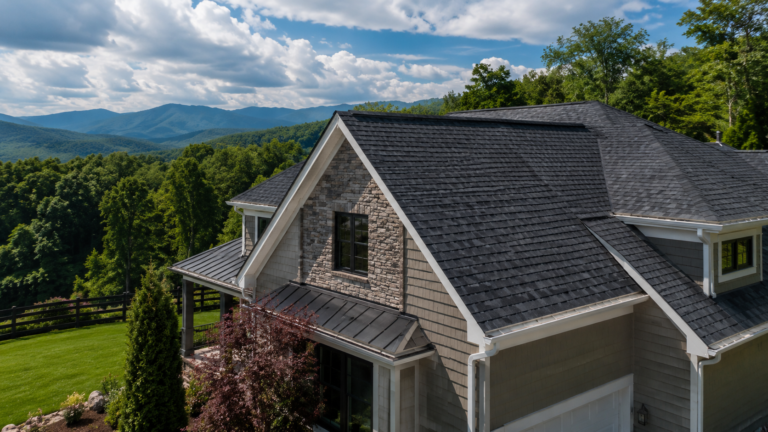
Asphalt Shingle Roof Inspections
On asphalt roofs, potential concerns can include:
• Missing shingles
• Torn or displaced shingles
• Cracking
• Significant surface deterioration
• Exposed fasteners
• Damaged ridge materials
• Improper previous repairs
• Changes around roof penetrations
Granules naturally change over the life of many asphalt shingles, so some granules in gutters do not by themselves prove a roof needs replacement.
Look for Widespread Versus Localized Damage
The extent of a problem matters.
Several damaged shingles caused by a fallen branch may represent a localized repair. Deterioration across multiple roof slopes can indicate a broader condition.
A contractor should explain why repair or replacement is recommended.
Metal Roof Inspections
Metal roofing requires attention to the particular panel and fastening system.
Potential concerns include coating damage, corrosion, displaced panels, flashing problems, damaged seams, sealant deterioration where sealant is specified, and fastener concerns on exposed fastener systems.
Metal Movement Matters
Metal expands and contracts with temperature changes.
Inspection should consider whether panels, seams, clips, and fasteners appear to be functioning according to the design of the system.
Improvised repairs can interfere with normal movement and should be evaluated carefully.
Tile and Slate Roofs
Clay tile, concrete tile, and slate can crack or become displaced.
These materials can also be damaged by inappropriate foot traffic.
Inspection should generally be performed by professionals familiar with the specific roofing material and safe access procedures.
4. Include Flashing in Roof Inspections
Many roof leaks develop around transitions and penetrations rather than through the middle of an undamaged roofing field.
Flashing is therefore one of the most important areas to inspect.
Where Is Roof Flashing Used?
Critical locations can include:
• Chimneys
• Skylights
• Plumbing vents
• Sidewalls
• Dormers
• Roof valleys
• Eaves
• Roof to wall transitions
• Mechanical penetrations
• Other changes in roof geometry
Flashing should direct water back onto the drainage surface rather than allowing it to enter the roof assembly.
Inspect Chimney Areas
Chimney intersections create several joints requiring careful water management.
An inspection may evaluate visible step flashing, counterflashing, sealants where appropriately used, masonry condition, and surrounding roofing.
Simply spreading roofing cement over a recurring leak is not necessarily an appropriate permanent repair.
Check Skylights and Roof Windows
Leaks appearing near a skylight can result from flashing, the skylight itself, condensation, surrounding roofing, or another water source.
Diagnosis should occur before assuming the unit needs replacement.
Manufacturer specific flashing systems should be considered when repairs or reroofing are performed.
5. Check Gutters and Drainage During Roof Inspections
A roofing system needs to move water away from the building.
Gutters are not part of every roof design, but where installed they contribute to managing runoff.
Look for Gutter Problems
Potential conditions include:
• Accumulated debris
• Loose sections
• Leaking joints
• Visible corrosion
• Damaged hangers
• Sagging
• Blocked outlets
• Disconnected downspouts
Overflowing gutters can wet fascia, siding, landscaping, and areas close to the foundation.
Inspect Roof Valleys
Valleys concentrate water from adjoining roof slopes.
Debris accumulation can interfere with drainage and hold moisture against roofing materials.
Valley construction varies by system, so repair techniques should match the existing design and roofing manufacturer’s requirements.
Follow Water Beyond the Roof Edge
Downspouts should discharge appropriately according to the property’s drainage design.
Roof inspections can reveal a gutter problem, but basement moisture or foundation water may also require evaluation of grading, underground drainage, and other site conditions.
6. Include Interior Areas in Roof Inspections
A roof can look normal outside while evidence of moisture appears inside.
Accessible attics and upper level ceilings can provide important diagnostic clues.
What to Look for in an Attic
Possible warning signs include:
• Water stains
• Damp sheathing
• Wet insulation
• Visible deterioration
• Unusual discoloration
• Rusted fasteners
• Signs of condensation
• Daylight where an opening should not exist
Use safe attic access practices and avoid stepping between structural framing members where ceiling surfaces cannot support a person’s weight.
A Water Stain Does Not Identify the Leak Location
Water can enter at one point and travel along framing, sheathing, pipes, or other surfaces before becoming visible.
The exterior entry point may therefore be some distance from the interior stain.
Professional leak diagnosis considers both interior evidence and exterior roof details.
Distinguish Leaks From Condensation
Not every wet attic is caused by rain entering through roofing.
Air leakage, high indoor humidity, inadequate insulation, ventilation problems in applicable assemblies, and mechanical systems can contribute to condensation.
Replacing shingles will not solve a moisture problem caused primarily by interior humidity or building envelope conditions.
7. Document Roof Inspections and Repairs
Good documentation creates a useful history of roof condition.
Photos, contractor reports, invoices, warranty information, and repair records make it easier to monitor changes over time.
Take Comparable Photographs
When practical, photograph the same roof areas during different inspections.
This can help identify whether cracking, corrosion, staining, or another condition is changing.
Date the photographs and retain original files.
Keep Roofing Product Information
Save documentation for:
• Roofing manufacturer
• Product line
• Installation date
• Contractor
• Material warranty
• Workmanship warranty
• Permits
• Previous repairs
• Inspection reports
This information can simplify future service and warranty inquiries.
What Does a Professional Roof Inspection Include?
Professional inspection scope varies among contractors and independent inspectors.
Before hiring someone, ask what areas are included and what type of report will be provided.
Exterior Roof Examination
A professional may assess visible roofing surfaces, edges, penetrations, flashing, valleys, vents, drainage, and related components.
The inspector should use an access method suitable for roof type and conditions.
Interior Examination
Where accessible and included in the service, attic inspection can provide information about leaks, condensation, insulation, ventilation, and deck conditions.
Not all attic areas are safely accessible.
An inspector should document relevant limitations rather than making unsupported conclusions about areas that could not be viewed.
Written Findings
A useful report should differentiate observed conditions from recommendations.
Photographs and clear location descriptions improve the report’s usefulness.
If repair is recommended, homeowners should understand which specific condition supports that recommendation.
How Much Do Roof Inspections Cost?
There is no standard price for every inspection.
Some roofing contractors provide assessments related to potential repair work, while independent inspections, specialty evaluations, drone services, infrared assessments, or formal reports may involve fees.
Factors Affecting Roof Inspection Cost
Pricing can depend on:
• Roof size
• Roof height
• Roof slope
• Number of roof sections
• Material type
• Accessibility
• Inspection method
• Documentation required
• Geographic location
• Specialty equipment
• Purpose of the inspection
Ask what is included before scheduling the service.
Free Inspection Versus Paid Inspection
A contractor offering a complimentary assessment may be doing so as part of providing an estimate for roofing services.
An independent paid inspector may have a different role.
Neither arrangement is automatically better, but homeowners should understand whether the inspector also has a financial interest in selling the recommended repair or replacement.
Roof Inspections After Hail
Hail damage can vary according to hail size, wind, roof material, roof condition, angle of impact, and other factors.
Visible dents or marks do not always indicate the same level of functional damage.
Asphalt Shingle Hail Assessment
Qualified inspectors may look for patterns of impact and damage consistent with hail while also considering other forms of wear.
Accurate differentiation matters because blistering, foot traffic, mechanical damage, manufacturing characteristics, and ordinary aging can sometimes produce marks that homeowners may mistake for hail damage.
Metal Roof Hail Damage
Hail can produce cosmetic denting, functional damage, or both depending on system and storm severity.
Insurance policies may treat cosmetic and functional damage differently.
The actual policy language determines coverage.
Roof Inspections After Wind
Wind can lift, crease, tear, displace, or remove roof coverings.
Damage may affect roof edges and exposed areas differently from sheltered sections.
Look for Missing Material
Missing shingles or panels are obvious concerns, but wind related effects are not always as visible from the ground.
A professional can evaluate questionable areas without relying solely on interior leakage.
Temporary Repairs
Emergency tarping may limit additional water entry when properly performed and safe to install.
Temporary measures should not be mistaken for permanent repair.
Roof access during or immediately after severe weather should be left to qualified professionals.
Roof Inspections Before Buying a Home
A general home inspection commonly includes observation of the roofing system within the inspector’s scope and access limitations.
A specialist roof evaluation may be useful when significant concerns arise.
Why Buyers Request Additional Inspection
A specialist can provide additional information when the roof shows deterioration, unusual materials, previous repairs, leakage, or complex construction.
This can help buyers understand likely maintenance or repair needs.
Inspection Is Not a Guarantee
Even a careful roof inspection cannot predict exactly when every future leak or failure will occur.
Some parts of a roofing assembly remain concealed without destructive investigation.
Reports should state relevant limitations clearly.
Roof Inspections Before Selling a Home
Sellers sometimes choose to inspect a roof before listing so they can identify repair issues in advance.
This can provide time to address legitimate concerns before negotiations begin.
Keep Repair Documentation
Receipts, permits where required, product information, and photographs can demonstrate what work was completed.
Avoid representing an inspection as proof that no future roofing problem can occur.
Roof Inspections and Insurance Claims
After a major weather event, homeowners may use inspection findings when evaluating whether damage warrants an insurance claim.
Coverage ultimately depends on the insurance policy and cause of loss.
Document Conditions Promptly
When safe, photograph visible damage before temporary or permanent repairs alter the area.
Do not endanger yourself by climbing onto a roof for claim photographs.
Understand the Contractor’s Role
A roofing contractor can document roofing conditions and provide repair estimates.
The insurance company determines coverage according to the policy and claim investigation.
Homeowners should be cautious of anyone guaranteeing that an insurer will approve a particular replacement before the carrier makes its decision.
Roof Inspections and Infrared Technology
Thermal imaging can sometimes provide additional information about temperature patterns associated with moisture or insulation conditions.
It does not allow an inspector to see literally through roofing materials.
Thermal Images Need Interpretation
Temperature differences can result from multiple causes, including moisture, insulation, sunlight, building geometry, HVAC conditions, and material characteristics.
Suspected moisture conditions may need confirmation using additional methods.
Technology Does Not Replace Building Knowledge
Drones, moisture meters, thermal cameras, and other devices can improve inspection capabilities.
The usefulness of the data still depends on proper operation and interpretation by someone who understands roofing and building assemblies.
Roof Inspections for Metal Roofing
Metal roofs have system specific inspection requirements.
Standing seam and exposed fastener designs should not be evaluated as though they are identical.
Standing Seam Inspection
Inspectors may consider panel seams, clips where accessible, flashing, terminations, penetrations, coating condition, and visible movement related concerns.
Seam mounted solar or snow retention equipment should also remain compatible with the roof system.
Exposed Fastener Inspection
Exposed fastener systems require attention to screws and sealing washers.
Fasteners can be affected by installation, thermal cycling, environmental exposure, and aging.
Only compatible replacement components and manufacturer appropriate repair methods should be used.
Roof Inspections for Flat and Low Slope Roofs
Low slope roofing requires different inspection techniques from conventional residential shingles.
Materials may include single ply membranes, modified bitumen, built up roofing, or other systems.
Look for Drainage Problems
Standing or slowly draining water can indicate drainage, slope, or maintenance concerns.
Inspect drains, scuppers, gutters, and other outlets for obstruction.
Membrane Conditions
Potential concerns can include punctures, seam problems, displaced flashing, deterioration, or other material specific conditions.
Repairs should use methods compatible with the existing membrane system.
Roof Inspections and Ventilation
Roof evaluation sometimes includes attic ventilation, but ventilation recommendations should account for the roof assembly.
More ventilation is not automatically better.
Vented Attics
Traditional vented attics often use intake openings near the eaves with exhaust higher on the roof.
Blocked soffit vents or inappropriate combinations can affect intended airflow.
Unvented Assemblies
Properly designed unvented roof assemblies use a different building science strategy.
Adding vents without understanding the assembly can create problems.
If condensation is present, evaluate insulation, air sealing, indoor humidity, and roof design together.
When Roof Inspections Lead to Repair
Finding a defect does not necessarily mean replacement is needed.
Localized flashing damage, isolated missing shingles, or another limited problem may sometimes be repaired effectively.
Ask for Repair Options
When replacement is recommended, ask the contractor to explain:
• Extent of deterioration
• Location of damage
• Whether repair is technically possible
• Compatibility of replacement materials
• Condition of surrounding roofing
• Relevant warranty considerations
The answer should be specific to the roof.
When Replacement May Be Appropriate
Widespread deterioration, repeated failures in different locations, extensive storm damage, or substantial underlying problems can make replacement a more practical option.
Condition and scope should drive the decision rather than one arbitrary age threshold.
Choosing a Roof Inspection Professional
The appropriate professional depends on the purpose of the inspection.
A roofing contractor can be useful when repair expertise and pricing are needed. A qualified independent inspector can be useful when the homeowner wants an assessment that is separate from selling roofing work.
Questions to Ask
Consider asking:
• What roofing systems do you inspect?
• Will you examine accessible attic areas?
• How will you access the roof?
• Will I receive photographs?
• Is there a written report?
• Are repairs included or quoted separately?
• What qualifications and insurance do you carry?
• What inspection limitations should I expect?
Local licensing requirements vary and should be verified where applicable.
Be Cautious With Guaranteed Lifespan Predictions
An inspector can describe present condition and identify factors affecting serviceability.
Predicting the exact date a roof will fail is generally not possible.
Weather, future maintenance, installation quality, hidden conditions, and material behavior all introduce uncertainty.
Common Roof Inspection Mistakes
One frequent mistake is inspecting only the visible field of shingles while overlooking flashing and penetrations.
Another is assuming the absence of an interior leak proves the roof has no problems.
Avoid Walking on Fragile Materials
Tile, slate, deteriorated shingles, and some metal profiles can be damaged by inappropriate foot traffic.
Walking also exposes the inspector to fall hazards.
Do Not Depend on Sealant for Every Repair
Sealant has legitimate uses within specific roofing systems, but applying it indiscriminately over flashing and joints is not a substitute for proper water shedding details.
Recurring problems need accurate diagnosis.
Do Not Ignore Small Changes
A loose flashing component or damaged shingle may be easier to address before water reaches underlying materials.
Documentation helps homeowners recognize changes that might otherwise go unnoticed.
Frequently Asked Questions
How often should roof inspections be performed?
Frequency depends on roof type, condition, climate, manufacturer guidance, and storm exposure. Additional inspection is sensible after significant weather or when leaks appear.
What do roof inspections include?
They can include roofing materials, flashing, penetrations, valleys, roof edges, drainage, and accessible attic conditions. Exact scope varies by inspector and property.
How much do roof inspections cost?
Pricing depends on roof size, slope, accessibility, inspection method, location, and reporting requirements. Some contractors offer assessments while preparing repair estimates.
Can roof inspections find hidden leaks?
They can identify clues associated with concealed moisture, but not every hidden condition is detectable without additional testing or opening building materials.
Should I walk on my roof to inspect it?
Generally, homeowners can perform routine visual checks from the ground. Roof access presents serious fall risks and can damage some roofing materials.
Do roof inspections determine whether I need replacement?
An inspection can document conditions supporting repair or replacement recommendations. Localized damage may be repairable, while widespread deterioration may justify replacement.
Conclusion
Roof inspections provide useful information about roofing materials, flashing, penetrations, drainage, attic conditions, and potential water intrusion before problems become more extensive. Safe ground observations and post storm checks can help homeowners identify changes, while qualified professionals can evaluate areas requiring closer access or technical diagnosis. Keeping inspection records and responding promptly to verified defects can support better maintenance decisions and help protect the complete roofing system.