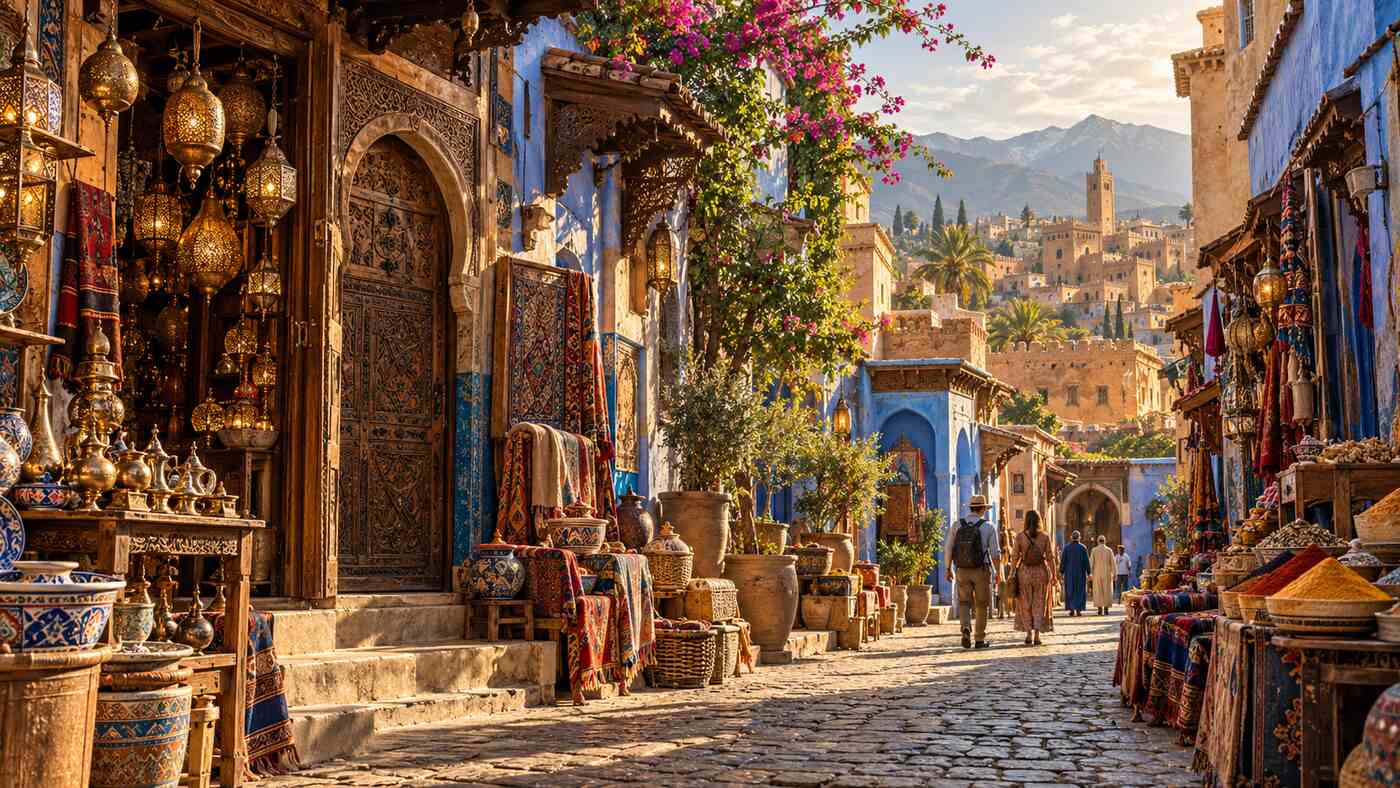
Cultural Exploration: 7 Amazing Ways to Discover the World’s Traditions and Heritage
Travel becomes more meaningful when it goes beyond famous landmarks, beautiful photographs, and popular tourist attractions. Cultural exploration allows travelers to discover how people live, communicate, celebrate, prepare food, preserve traditions, and express their identities. From visiting historical neighborhoods to learning traditional crafts, exploring different cultures can turn an ordinary vacation into an educational and memorable experience.
For American travelers, cultural experiences are available both internationally and within the United States. Museums, community festivals, historic districts, local food markets, and heritage centers provide opportunities to discover unfamiliar traditions without necessarily traveling across the world.
However, meaningful cultural discovery requires curiosity, preparation, and respect. Understanding the communities behind the experiences helps travelers appreciate their destinations while avoiding stereotypes and inappropriate behavior.
What Is Cultural Exploration?
Cultural exploration is the process of learning about and experiencing the beliefs, traditions, history, arts, languages, food, and everyday practices of different communities.
It can involve visiting cultural landmarks, attending public celebrations, participating in educational workshops, or speaking with local residents.
Unlike travel focused mainly on entertainment or sightseeing, cultural travel emphasizes understanding the people and stories connected to a destination.
For example, visiting a historic building becomes more meaningful when travelers learn why it was constructed, how it was used, and what it represents to the surrounding community.
Similarly, tasting a regional dish can provide insight into local agriculture, family traditions, and historical influences.
Cultural Heritage and Living Traditions
Cultural heritage includes both physical places and living practices.
Physical heritage may include monuments, historic architecture, archaeological sites, and museum collections.
Living heritage includes knowledge, oral traditions, performing arts, celebrations, craftsmanship, and social customs passed between generations.
UNESCO recognizes that living cultural heritage changes as communities adapt their practices to contemporary circumstances.
This means meaningful cultural discovery should not treat traditions as objects frozen in the past.
Modern communities continue to develop new forms of cultural expression while maintaining connections with their histories.
7 Amazing Ways to Experience Cultural Exploration
There are many ways to discover different cultures while traveling. The most rewarding experiences often combine learning, observation, thoughtful participation, and interaction with people who are willing to share their knowledge.
1. Explore Historical Landmarks and Heritage Sites
Historic places help visitors understand how communities developed over time.
Architecture, public squares, religious buildings, monuments, and archaeological sites can reveal connections between a location’s history and present identity.
Rather than simply walking through a historic neighborhood, consider joining an educational tour led by a knowledgeable local guide.
Guided experiences can explain architectural features, significant historical events, and the different perspectives surrounding a particular place.
How to Make Heritage Visits More Meaningful
Before visiting, read about the history of the destination.
Learn whether the location has cultural or spiritual significance to local residents.
Follow access restrictions, photography rules, and preservation guidelines.
At archaeological sites, never remove artifacts, touch sensitive rock art, or disturb historical features.
Responsible behavior helps protect important places for future generations.
2. Discover Local Food and Culinary Traditions
Food provides an approachable way to learn about a community.
Traditional dishes often reflect local ingredients, agricultural practices, geography, migration, and cultural exchange.
Visiting neighborhood markets, independently operated restaurants, and community food events can introduce travelers to regional culinary practices.
For example, studying how a dish is prepared may reveal techniques passed down through families or adapted over time.
Food experiences become more educational when travelers understand the stories behind the ingredients and cooking methods.
Participate in Local Cooking Experiences
A cooking workshop led by an experienced local instructor can provide practical insight into regional food culture.
Participants may learn about traditional ingredients, cooking techniques, meal preparation, and dining etiquette.
Ask questions respectfully and avoid assuming that one recipe represents an entire country or cultural group.
Regional food traditions can differ considerably within the same destination.
Travelers with allergies or dietary restrictions should communicate their requirements clearly before participating.
3. Attend Traditional Festivals and Community Celebrations
Public festivals can introduce visitors to music, dance, clothing, storytelling, artistic performances, and shared community traditions.
Some events commemorate historical occasions, religious observances, harvest seasons, or important cultural milestones.
Others celebrate contemporary art and the changing identities of local communities.
For travelers, festivals can provide opportunities to observe cultural expressions that may not be encountered during ordinary sightseeing.
However, not every celebration is intended for tourists.
Respect Cultural and Religious Boundaries
Before attending, determine whether the event welcomes outside visitors.
Some ceremonies may be private or restricted to particular community members.
If participation is permitted, follow instructions regarding appropriate clothing, behavior, and photography.
Avoid treating sacred practices as entertainment.
When uncertain, ask an authorized event organizer or community representative for guidance.
Respectful participation is more valuable than obtaining photographs or videos.
4. Learn Traditional Arts and Crafts
Craftsmanship offers insight into the relationship between cultural identity, practical skills, and creativity.
Different communities maintain traditions involving pottery, weaving, woodworking, metalwork, painting, and textile production.
These practices may reflect local materials, historical trade routes, family knowledge, and artistic preferences.
Visiting workshops operated by local artisans can help travelers understand the time and skill involved in producing handmade objects.
Support Local Artisans Responsibly
Consider purchasing directly from artists or cooperatives when possible.
Ask about the materials, production methods, and meanings associated with particular designs.
Do not photograph an artisan or their workspace without permission.
Some cultural patterns, symbols, or objects may have restrictions on reproduction or sale.
Respect these boundaries and avoid pressuring craftspeople to reveal knowledge they prefer to keep within their community.
5. Experience Museums and Cultural Institutions
Museums provide structured opportunities to learn about art, history, technology, migration, and cultural heritage.
Many institutions offer exhibits, educational workshops, guided tours, and public discussions.
For American travelers, museums can also provide an introduction to cultural topics before an international trip.
Learning about a destination’s history in advance can make later experiences easier to understand.
Go Beyond the Exhibition Labels
Explore whether the institution offers lectures, interactive exhibits, or programs developed with the communities represented.
Look for opportunities to learn how objects were collected and whose interpretations are included.
Some collections have complicated histories involving colonialism, unequal exchanges, or disputed ownership.
Recognizing these issues allows visitors to approach cultural heritage with greater awareness.
Museums provide valuable educational resources, but they should not be treated as substitutes for listening to living communities.
6. Connect With Local Communities Through Responsible Tourism
Meeting local residents can make cultural exploration more personal.
Community operated tours, public workshops, and educational programs may provide opportunities to hear perspectives that are less visible in conventional sightseeing.
For example, a guided neighborhood walk might introduce visitors to local history, architecture, businesses, and current community projects.
A community run cultural program may explain how traditions continue to shape everyday life.
These encounters work best when participants approach them with genuine interest rather than expectations of a particular experience.
Choose Community Led Cultural Activities
Look for experiences organized or approved by the communities whose culture is being presented.
Consider whether local guides and participants receive fair compensation.
Avoid activities that intrude into residential spaces or encourage visitors to observe people without their consent.
Communities should retain control over how their traditions and cultural knowledge are presented.
Travelers can support this principle by choosing responsible providers and respecting community decisions.
7. Learn Through Language, Music, and Everyday Life
Cultural discovery does not always require a formal tour.
Everyday interactions, public performances, local bookstores, neighborhood markets, and language workshops can provide valuable learning opportunities.
Learning a few useful phrases in the local language can help travelers communicate basic greetings and show consideration for residents.
Listening to regional music or attending a public performance may also introduce unfamiliar artistic traditions.
However, no single experience can fully represent a community’s identity.
Practice Cultural Curiosity Without Making Assumptions
Ask thoughtful questions when someone is comfortable having a conversation.
Listen carefully and remain open to different experiences and viewpoints.
Avoid assuming that everyone from the same country shares identical beliefs or customs.
Language, religion, geography, age, and personal background can shape individual identities differently.
The goal is to understand cultural diversity rather than reduce people to simplified descriptions.
Why Cultural Exploration Matters in Modern Travel
Cultural travel offers opportunities to learn about societies beyond familiar surroundings.
By encountering different perspectives, travelers may develop a broader understanding of history, identity, and human creativity.
The educational value often comes from comparing prior assumptions with what people actually say about their own experiences.
Encourages Cultural Understanding
Visiting unfamiliar environments may challenge simplified ideas about other communities.
Conversations, historical interpretation, and firsthand observation can help travelers recognize similarities and differences without judging either as inherently superior.
This process requires openness and critical thinking.
A brief visit does not make someone an expert on another culture, but it can encourage further learning.
Supports Heritage Awareness
Cultural sites and living traditions require ongoing care.
Historic buildings may need conservation, while traditional knowledge often depends on the participation of younger generations.
Visitors can contribute by following preservation rules, paying appropriate admission fees, and supporting qualified local educators.
However, tourism can also place pressure on fragile sites and community traditions.
Responsible exploration should consider these potential effects rather than assume that increased visitor numbers always benefit a destination.
Creates Opportunities for Local Economic Participation
Travel spending can support guides, accommodation providers, restaurants, artisans, and cultural organizations.
Choosing locally operated services may help direct a greater share of spending toward residents.
However, the actual distribution of tourism revenue varies by business structure and destination.
Travelers should look for credible community participation and transparent business practices rather than relying solely on promotional claims.
How to Plan a Meaningful Cultural Exploration Trip
Thoughtful preparation can make a cultural vacation more comfortable and educational.
Research the Destination Before Traveling
Begin with reliable information about local history, customs, language, and cultural attractions.
Official tourism organizations, museums, heritage institutions, and community operated resources can provide useful starting points.
Read about respectful behavior at religious buildings, historical sites, and community events.
When researching cultural history, consider more than one perspective.
Historical events may be remembered differently by various communities, and understanding these differences can improve your appreciation of a destination.
Create a Balanced Travel Itinerary
Avoid filling every day with scheduled attractions.
Allow time for walking, visiting museums, enjoying local food, and participating in planned cultural experiences.
A balanced itinerary might include a heritage tour in the morning, lunch at a locally operated restaurant, and an afternoon cultural workshop.
Leave room for rest and unexpected opportunities.
A slower pace often makes it easier to notice details and reflect on what you have learned.
Plan Transportation and Accommodation Carefully
Choose accommodation based on location, accessibility, safety, and proximity to your planned activities.
Consider public transportation, guided tours, or reputable local transportation providers.
Before traveling internationally, American visitors should review the U.S. Department of State’s current destination advisory and entry requirements.
Check passport validity, visa rules, local laws, and any relevant health requirements.
The Smart Traveler Enrollment Program can also provide destination related updates for eligible travelers.
Cultural Exploration Opportunities Within the United States
International travel is not necessary to experience meaningful cultural diversity.
The United States includes a wide range of communities with distinct languages, histories, artistic traditions, and cultural practices.
Visit Regional Heritage Museums
Local museums can introduce visitors to immigration history, community development, traditional industries, and regional cultural identities.
Historical societies and cultural centers may provide guided programs that connect national events with local experiences.
Explore Indigenous Cultural Heritage Respectfully
Many Native American nations operate museums, cultural centers, and educational programs.
These institutions can provide opportunities to learn about contemporary Indigenous communities as well as their histories.
Travelers should prioritize programs created or authorized by the relevant Native nation.
Tribal lands are governed by their own authorities, and access or photography restrictions may differ from surrounding areas.
Respect tribal sovereignty and follow the rules established by each community.
Discover Neighborhood Arts and Food Traditions
American cities contain neighborhoods shaped by generations of migration and cultural exchange.
Community festivals, traditional restaurants, local markets, and public art programs may provide opportunities for discovery.
Choose experiences that welcome visitors and respect the daily lives of residents.
A neighborhood is a living community, not simply an attraction.
How to Practice Responsible Cultural Exploration
Respectful cultural travel means recognizing that local people are not part of a performance arranged for visitors.
Their privacy, traditions, and everyday activities deserve consideration.
Ask Before Taking Photographs
Photography rules vary across communities and locations.
Some ceremonies, sacred places, private homes, and cultural performances prohibit photography.
Even when photography is legally permitted, asking for consent is often appropriate before photographing individuals.
Respect any refusal without argument.
Dress and Behave Appropriately
Research local expectations regarding clothing, public behavior, and visits to religious sites.
What is appropriate in one setting may be unsuitable in another.
Follow posted guidance and directions from authorized staff.
If you make a mistake, respond respectfully and correct your behavior.
Avoid Cultural Stereotypes
A country or community cannot be fully understood through one festival, meal, or museum visit.
Culture is influenced by many factors and continues to evolve.
Avoid describing communities as if everyone shares the same personality, lifestyle, or beliefs.
Thoughtful cultural travel involves learning about differences within communities as well as between them.
Consider the Environmental Impact
Transportation, accommodation, and tourism activities can affect local environments.
Consider public transportation when practical, reduce unnecessary waste, and respect protected natural areas.
Avoid purchasing items made from illegally collected wildlife products or protected cultural materials.
Responsible choices help protect the places and traditions that make cultural tourism valuable.
Common Mistakes Travelers Should Avoid
One common mistake is planning a cultural trip based entirely on popular social media photographs.
Attractive images rarely explain cultural context, access rules, or the needs of local communities.
Another mistake is expecting residents to provide explanations or personal stories without consent.
Not everyone wants to participate in a traveler’s learning experience.
Visitors should also avoid purchasing supposedly authentic cultural products without understanding where they were made.
Mass produced souvenirs may not support the artisans or communities they appear to represent.
Finally, avoid overcrowding an itinerary.
Travelers who rush through numerous attractions may have little opportunity to reflect on their experiences.
How Technology Can Support Cultural Learning
Digital resources can improve travel preparation and provide useful educational context.
Museum websites, translation applications, audio guides, and digital archives can help visitors learn about unfamiliar subjects.
Interactive maps may help identify public cultural institutions and appropriate routes.
Virtual museum tours can also introduce travelers to collections before an in person visit.
However, digital information should be checked against credible sources.
AI generated travel explanations, automated translations, and online reviews can contain mistakes or overlook cultural context.
Community led sources and qualified experts remain valuable when learning about sensitive traditions.
How to Make Cultural Exploration Part of Everyday Life
Cultural discovery can continue long after a vacation ends.
Public libraries, cultural associations, museums, educational lectures, and community events offer opportunities to keep learning.
Reading literature by authors from different backgrounds can introduce perspectives that are not always represented in mainstream travel content.
Studying a language or participating in a public arts workshop may help develop a deeper appreciation of cultural expression.
Supporting local cultural institutions can also contribute to educational opportunities within your own community.
Meaningful exploration is an ongoing learning process rather than something limited to international vacations.
Frequently Asked Questions
1. What is cultural exploration in tourism?
Cultural exploration involves learning about a destination’s traditions, history, food, language, arts, and everyday life through respectful travel experiences.
2. Why is cultural exploration important?
It can improve cultural understanding, encourage historical awareness, and support meaningful interactions between travelers and communities.
3. What are the best activities for cultural exploration?
Popular activities include visiting museums, joining local heritage tours, attending public festivals, exploring traditional markets, and participating in community led workshops.
4. Can cultural exploration be done without traveling abroad?
Yes. Local museums, community festivals, cultural centers, historic neighborhoods, and educational events provide opportunities for cultural learning within the United States.
5. How can travelers explore cultures respectfully?
Research local customs, respect privacy, ask permission before photographing people, follow site restrictions, and choose experiences that involve local communities.
6. Is cultural exploration suitable for family vacations?
Yes. Age appropriate museum visits, food experiences, storytelling programs, and educational workshops can introduce children and adults to different cultural traditions.
Conclusion
Cultural exploration offers travelers meaningful opportunities to discover history, traditions, creativity, and everyday life beyond familiar surroundings. Through heritage visits, regional food experiences, community programs, and thoughtful conversations, travelers can develop a deeper appreciation of cultural diversity. Responsible planning and respect for local communities help make these experiences more valuable for everyone involved. Whether exploring another country or discovering cultural traditions closer to home, genuine curiosity can transform travel into an ongoing journey of learning and understanding.