Trekking Nepal Without Regrets Starts by Avoiding These Costly Mistakes
An Everest helicopter tour can provide a very different Himalayan experience from trekking, but both require careful planning around altitude, weather, safety, and logistics. Nepal’s mountain journeys can involve remote trails, rapidly changing conditions, physically demanding days, and elevations where poor decisions have greater consequences than they would on a typical vacation. Preparation therefore matters whether you are walking for days or combining trekking with a scenic helicopter flight.
Many problems occur because travelers underestimate ordinary details rather than because they encounter an extraordinary event. An unrealistic itinerary, unsuitable footwear, inadequate insurance, rushed acclimatization, excessive luggage, or the assumption that helicopter transportation is always available can complicate an otherwise well-planned journey. Understanding these common mistakes helps trekkers make better decisions before reaching the trail.
Why Nepal Trekking Requires More Than Good Fitness
Fitness is valuable in the Himalayas, but it is only one part of preparation.
Trekking at altitude involves environmental conditions that cannot be reproduced by ordinary gym training. Elevation, weather, trail surfaces, consecutive walking days, sleep, nutrition, illness, and individual acclimatization responses all affect performance.
The same distinction matters when arranging an Everest helicopter tour. A passenger may not need trekking-level endurance for a sightseeing flight, but rapid movement to higher elevations introduces considerations that have little to do with cardiovascular fitness.
Travelers should therefore prepare for the specific itinerary rather than relying on general health or previous travel experience.
Treating Altitude Like a Fitness Challenge
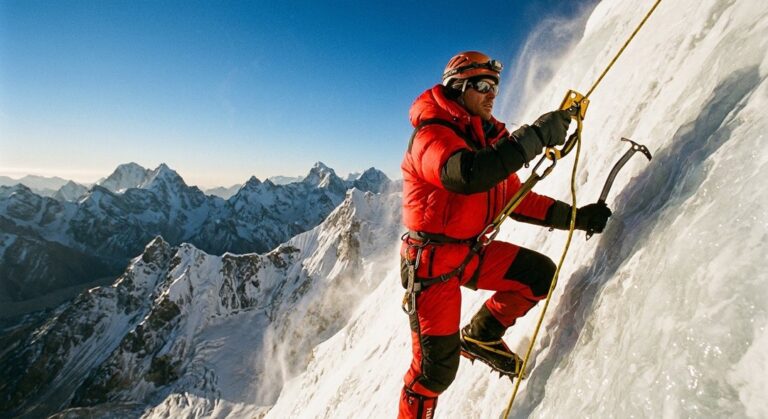
A common and potentially serious trekking mistake is believing that being physically fit prevents altitude illness.
It does not.
Acute mountain sickness can occur when people travel to altitude faster than their bodies acclimatize. More severe altitude illnesses can become medical emergencies.
Trekkers in the Everest region should understand symptoms and appropriate responses before beginning their journey. Everest helicopter tour passengers should also recognize that rapid ascent by aircraft does not provide acclimatization.
Learn the Warning Signs Before Trekking
Altitude illness can initially resemble ordinary trekking fatigue.
Possible symptoms of acute mountain sickness include headache accompanied by problems such as nausea, dizziness, fatigue, or disturbed sleep after recent altitude gain.
Severe symptoms, neurological changes, significant breathing difficulty at rest, or deteriorating condition require urgent attention.
Travelers should seek qualified medical advice before high-altitude travel, especially when they have existing health conditions.
Never Hide Symptoms From Your Guide
Some trekkers conceal symptoms because they fear slowing down a group or missing a destination.
That can be dangerous.
Tell your guide when unusual symptoms appear. Decisions involving continued ascent should reflect health and established altitude guidance rather than the desire to maintain a fixed schedule.
An Everest helicopter tour should likewise never encourage travelers to dismiss altitude symptoms merely because their high-elevation visit is expected to be brief.
Ascending Too Fast in the Himalayas
A tightly scheduled itinerary may look efficient on paper but become problematic at altitude.
Acclimatization takes time, and individual responses differ. A friend who previously followed a particular schedule without difficulty does not establish that another traveler will respond the same way.
Choose a route that allows sensible adaptation to increasing sleeping elevations.
An Everest helicopter tour may change transportation time dramatically, but faster transportation does not make the human body acclimatize faster.
Acclimatization Days Have a Purpose
Some trekkers view an acclimatization day as lost progress.
It should instead be treated as part of the itinerary.
Depending on professional guidance and the route, an acclimatization day may include limited activity rather than complete inactivity.
Do not remove such days simply to fit an Everest helicopter tour or another attraction into a shorter holiday.
Assuming an Everest Helicopter Tour Is Guaranteed
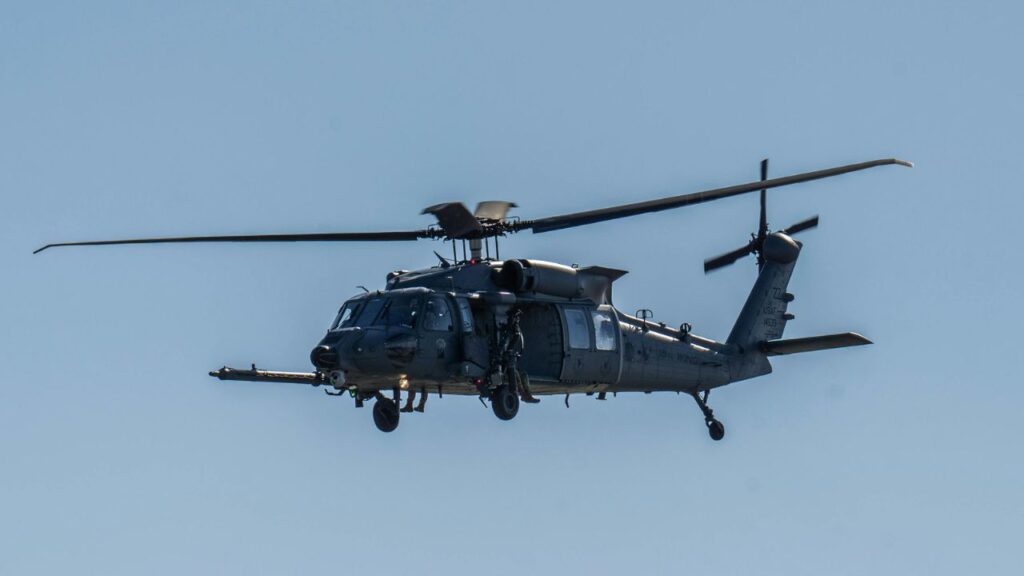
Mountain aviation depends on suitable operational conditions.
An Everest helicopter tour can be affected by weather, visibility, wind, aircraft availability, landing conditions, operational restrictions, and other safety considerations.
Tour descriptions therefore should not be interpreted as unconditional guarantees.
A responsible operator may delay, modify, reroute, or cancel an Everest helicopter tour when circumstances require it.
Weather Can Change the Flight Plan
Kathmandu weather does not necessarily reflect conditions across the Everest region.
Clouds can affect one part of the route while another remains clear. Mountain weather can also change rapidly.
Travelers should preserve schedule flexibility around an Everest helicopter tour instead of placing the flight immediately before an international departure whenever possible.
Landing Locations Can Change
Do not assume every Everest helicopter tour will make exactly the landings shown in older travel articles or social media videos.
Operational practices, local requirements, aviation regulations, weather, and landing conditions can change.
Ask the provider for the current planned itinerary before booking and clarify which elements remain conditional.
Depending on a Helicopter as a Guaranteed Rescue Option
Helicopters can play an important role in mountain evacuation, but availability should never be assumed.
Weather may prevent flight precisely when assistance is needed. Aircraft availability and safe landing conditions can also affect operations.
An Everest helicopter tour is additionally distinct from an emergency medical evacuation.
Trekkers should not accept an unsafe itinerary because they believe a helicopter can automatically retrieve them if difficulties arise.
Understand Your Emergency Plan
Before trekking, determine how your guide or operator handles illness and emergencies.
Keep your insurance emergency contacts accessible and understand relevant authorization requirements.
If your insurance includes helicopter evacuation under certain circumstances, read the actual terms. Do not assume that booking an Everest helicopter tour creates or extends emergency evacuation coverage.
Buying Travel Insurance Without Checking the Details
A policy can appear suitable until its exclusions are examined.
Nepal trekkers should check whether their intended activity and maximum planned altitude fall within policy limits. Emergency medical treatment, evacuation, trip interruption, pre-existing condition rules, and exclusions also deserve attention.
Travelers booking an Everest helicopter tour should ask their insurer whether the planned activity is covered.
Insurance products differ, so statements from another traveler about their policy should not be treated as evidence about yours.
Keep Insurance Information Available Offline
Phone connectivity cannot be guaranteed everywhere in the mountains.
Keep relevant policy details, emergency numbers, and identification accessible offline. A paper backup may also be useful.
Travel companions or guides should know how to access essential information if you cannot communicate.
Choosing an Operator Based Only on Price
Low cost can be attractive when Nepal trips already involve international flights, accommodation, equipment, guides, and permits.
Price, however, should not be the only criterion.
For trekking, investigate the company’s experience, itinerary design, guide arrangements, emergency procedures, transparency, and current legal requirements.
When booking an Everest helicopter tour, determine which licensed aviation operator actually performs the flight.
Ask Before Paying for an Everest Helicopter Tour
Useful questions include:
- Which aviation company operates the helicopter?
- What is included in the advertised price?
- What baggage restrictions apply?
- How are passenger weights managed?
- What happens after a weather cancellation?
- What is the refund or rescheduling policy?
- Which stops and landings are conditional?
- What identification is required?
- Which permits or fees are included?
- How is high-altitude exposure managed?
Clear answers can help travelers compare Everest helicopter tour options on more than promotional language.
Overpacking for the Trek
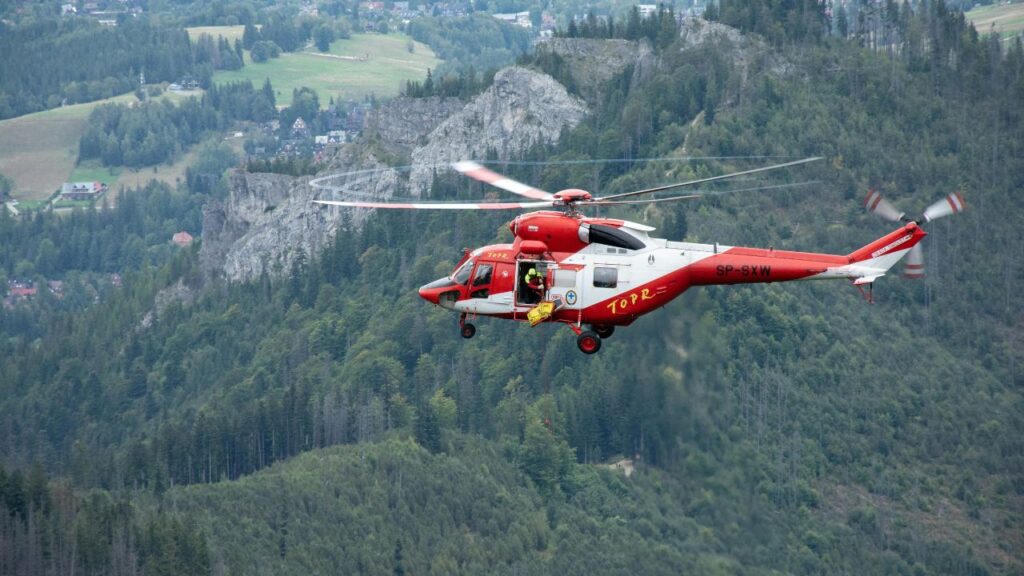
Packing for every imaginable scenario can produce an unnecessarily heavy bag.
Trekkers should choose equipment according to their route, season, expected conditions, accommodation style, and operator recommendations.
Weight becomes even more important when an itinerary includes an Everest helicopter tour because aircraft baggage restrictions can be substantially different from commercial airline allowances.
Confirm the permitted baggage directly with the operator.
Pack Useful Layers Rather Than Excess Clothing
Conditions at higher elevations can differ considerably throughout the day.
Layering allows clothing to be adjusted as temperature, wind, and physical activity change.
Typical categories may include a moisture-managing base layer, insulating layers, weather protection, suitable trousers, warm accessories, and appropriate footwear.
Exact equipment should reflect the season and itinerary rather than a universal online packing list.
Bringing Too Little Warm Clothing
The opposite packing mistake is assuming that sunny daytime photographs represent Himalayan conditions throughout the trip.
Morning, evening, shaded, windy, and high-altitude conditions can feel dramatically different.
Travelers joining an Everest helicopter tour may leave Kathmandu in comparatively comfortable conditions and encounter much colder temperatures during a mountain stop.
Bring the clothing recommended by the operator and check current weather information close to departure.
Trekking in Brand New Boots
Footwear should be tested before arriving in Nepal.
Even high-quality trekking boots can cause blisters if they fit poorly or interact badly with a traveler’s socks and walking style.
Wear trekking footwear during training and gradually test it on longer walks.
Passengers taking an Everest helicopter tour should also use suitable footwear rather than assuming ordinary urban shoes will always be appropriate at a mountain landing area.
Packing the Wrong Gear for the Season
Nepal trekking conditions vary significantly by season, route, and elevation.
A packing list designed for one month or region may not be appropriate for another.
Check route-specific recommendations shortly before travel.
If an Everest helicopter tour is part of the itinerary, consider both the conditions at the departure point and those expected at higher altitude.
The enormous elevation difference can make city-level clothing a poor guide to mountain requirements.
Forgetting Sun Protection
High-altitude travel can involve substantial ultraviolet exposure, and snow can reflect sunlight.
Protective sunglasses, suitable sunscreen, headwear, and clothing deserve space in a trekking kit.
Sun protection also matters during an Everest helicopter tour.
A short mountain visit can still involve intense light, particularly around snow-covered terrain.
Ignoring Hydration During Trekking
Physical activity, dry air, changing routines, and altitude can affect hydration.
Drink appropriately during trekking while recognizing that individual fluid needs vary.
Forcing excessive amounts of water is not a sensible altitude strategy either. Travelers with health conditions should obtain individualized medical advice where necessary.
Everest helicopter tour passengers should begin their excursion appropriately hydrated rather than viewing hydration as relevant only to multi-day trekkers.
Skipping Meals Because Altitude Reduces Appetite
Some travelers experience reduced appetite at elevation.
Trekking still requires energy.
Choose foods you can tolerate, maintain appropriate nutrition, and tell your guide if loss of appetite occurs with other symptoms of illness.
A passenger taking an Everest helicopter tour may have less physical exertion but should still consider how early departures and altitude interact with their normal eating routine.
Treating Every Trekking Day Like a Race
Trekking faster does not necessarily mean trekking better.
A sustainable pace can reduce unnecessary fatigue and make it easier to monitor how you are feeling.
This is particularly important on consecutive walking days.
Avoid comparing your speed with other groups. Age, fitness, experience, acclimatization, load, health, and personal preferences differ.
An Everest helicopter tour may save travel time, but time saved in transportation should never be used as justification for an irresponsible ascent schedule beforehand.
Creating an Itinerary With No Buffer Days
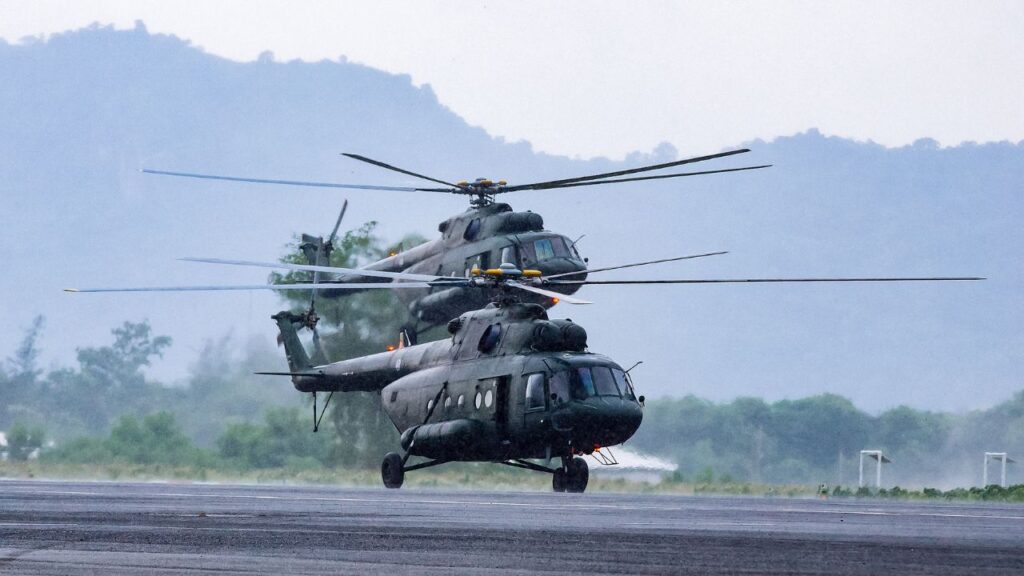
Mountain weather can disrupt plans.
Flights may be delayed. Trails can become more difficult. Illness or fatigue may require an additional day. Transportation elsewhere in Nepal can also take longer than expected.
A rigid itinerary turns ordinary delays into major problems.
Include flexibility around trekking and an Everest helicopter tour whenever possible.
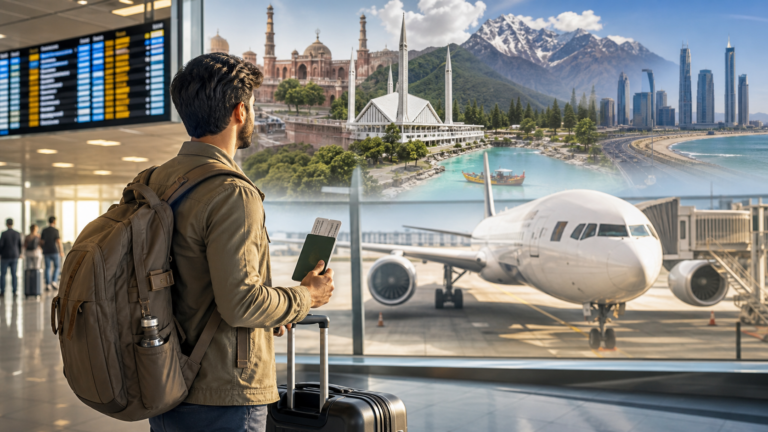
Do Not Connect Mountain Travel Too Closely to International Flights
If a mountain flight cannot operate, your international airline is unlikely to rearrange its schedule simply because the weather in the Himalayas was unfavorable.
Buffer time reduces this exposure.
The same consideration applies whether returning from a trek or completing an Everest helicopter tour.
Assuming Lukla Flights Always Operate on Schedule
Lukla is closely associated with Everest trekking, but mountain aviation is weather sensitive.
Travelers should expect that schedules can change.
Current operating arrangements, including departure airports and flight procedures, can also vary, so confirm details with your airline or trekking operator shortly before travel.
An Everest helicopter tour should not be considered an automatic workaround whenever fixed-wing flights experience disruption.
Helicopter operations have their own requirements and limitations.
Ignoring Weight and Balance Requirements on Helicopters
Aircraft weight is not simply a customer-service issue.
Weight and balance are fundamental aviation considerations, and high altitude places additional performance demands on aircraft.
An Everest helicopter tour operator may request passenger weights and restrict baggage.
Provide accurate information.
Do Not Demand a Particular Seat
A scenic flight may make passengers understandably interested in where they sit.
However, seating can be influenced by aircraft weight and balance requirements.
The pilot and operator must prioritize safe operation over photographic preferences.
During an Everest helicopter tour, follow all seating and movement instructions from the crew.
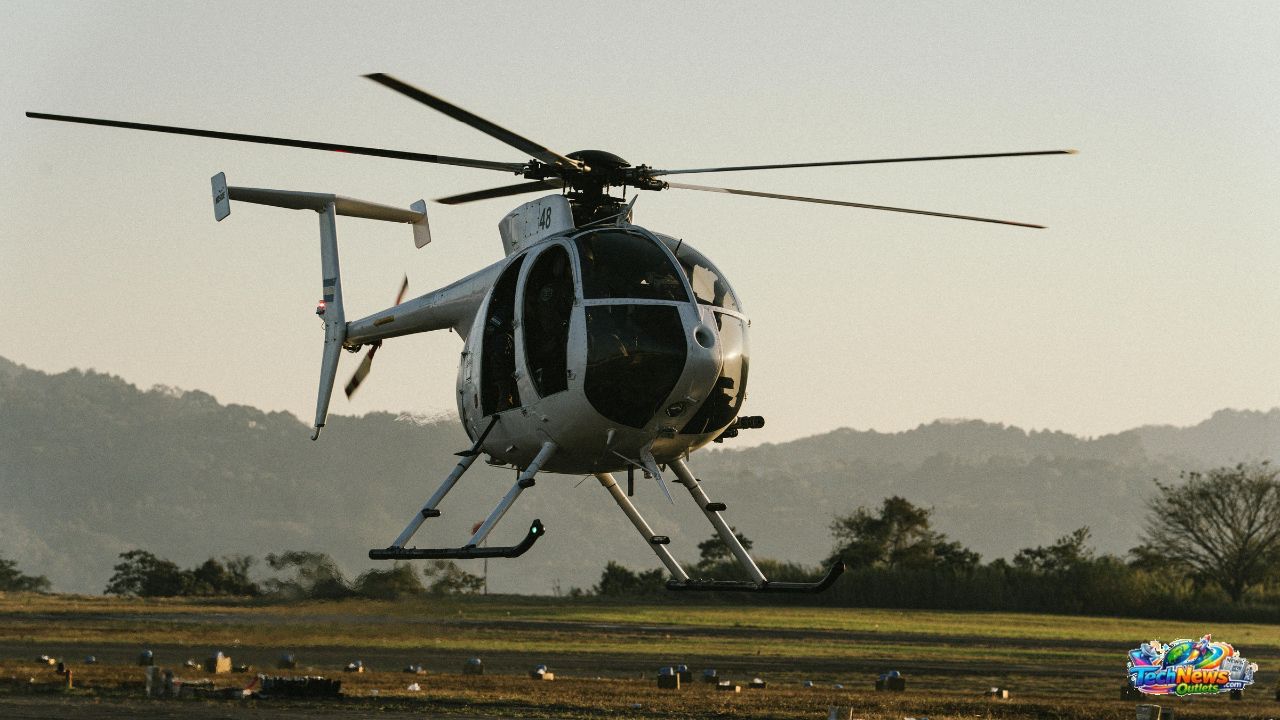
Approaching a Helicopter Without Crew Permission
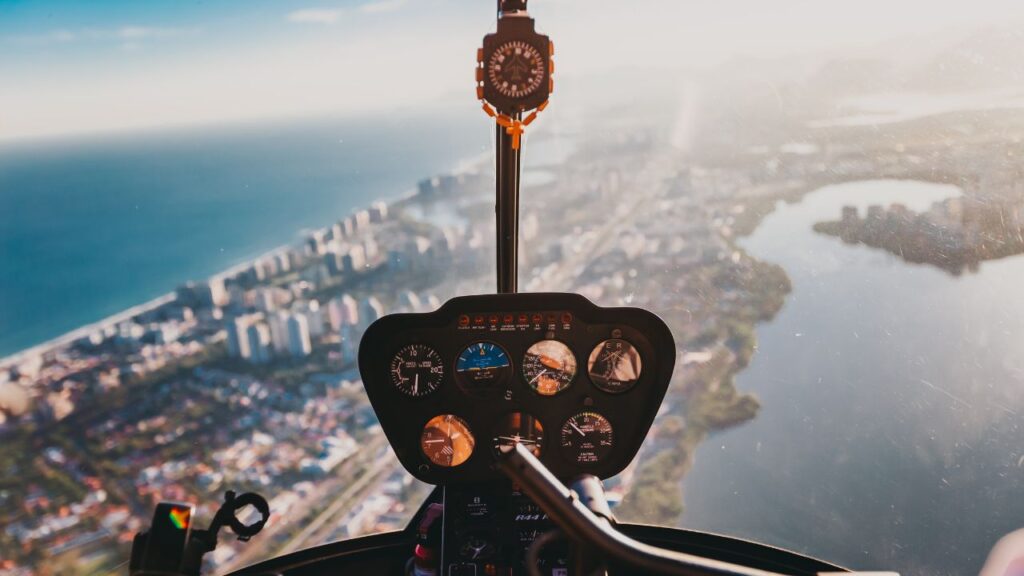
Rotorcraft ground safety requires discipline. Never approach, leave, or move around a helicopter independently unless the crew or trained ground personnel instruct you to do so.
Rotor blades, rotor wash, uneven surfaces, noise, and loose objects can create hazards.
An Everest helicopter tour should include safety instructions before passengers approach the aircraft.
Secure Loose Belongings
Scarves, hats, papers, lightweight bags, and similar objects can become problematic around rotor wash.
Follow crew instructions regarding personal items.
Do not prioritize a selfie or video over instructions during an Everest helicopter tour.
Assuming an Everest Helicopter Tour Means Landing on Everest
Mount Everest itself is not a conventional tourist helicopter landing destination.
An Everest helicopter tour generally refers to scenic travel through the Everest region with an itinerary determined by the operator, aviation conditions, regulations, and available landing sites.
Travelers should read descriptions carefully rather than interpreting marketing terminology literally.
Ask where the Everest helicopter tour currently intends to stop and what views are normally possible in clear conditions.
Expecting Everest Base Camp to Provide Every Classic Everest View
Everest Base Camp has enormous cultural and mountaineering significance, but mountain visibility depends on geography and weather.
The iconic perspective travelers imagine may come from viewpoints elsewhere in the region.
An Everest helicopter tour may therefore emphasize a viewing area based on the route and current operational permissions rather than promising that a Base Camp landing will produce a particular photograph.
Discuss expected viewpoints with the operator while remembering that clouds can obscure mountains without warning.
Ignoring Trekking Permits and Current Rules
Nepal’s trekking and protected areas can have permit requirements that vary by destination.
Rules can also change.
Check official Nepal tourism, immigration, conservation, and local authority information relevant to your route rather than relying solely on old online guides.
A trekking agency can assist, but travelers should still understand what documentation is required.
For an Everest helicopter tour, ask which permits and local fees are included in the quoted price.
Carrying No Cash in Remote Areas
Digital payments and card acceptance should not be assumed throughout remote trekking routes.
Cash may be necessary for some services, depending on the region and current facilities.
Ask your guide how much access to cash is realistically available and which costs your package excludes.
At the same time, carrying excessive cash presents a security risk.
Everest helicopter tour passengers should similarly request a written list of included and excluded charges so they can prepare appropriately.
Assuming Wi-Fi and Mobile Service Will Always Work
Connectivity exists in many parts of Nepal’s popular trekking regions, but reliability can vary.
Do not make critical safety or travel plans that depend entirely on continuous mobile data.
Download essential documents and contact information in advance.
If your Everest helicopter tour has a weather-dependent departure, ensure the operator knows how to contact you and reconfirm arrangements according to its instructions.
Ignoring Food and Water Precautions
Gastrointestinal illness can turn an ambitious trekking itinerary into an uncomfortable or impossible one.
Use sensible food hygiene practices and follow current travel health guidance regarding drinking water.
Trekkers should understand which safe-water options are available along their route.
A traveler combining trekking with an Everest helicopter tour should take the same precautions throughout the trip because illness does not become irrelevant when a helicopter segment approaches.
Taking Altitude Medication Without Medical Advice
Prescription medication used in altitude travel is not appropriate for everyone in every circumstance.
Consult a qualified healthcare professional before travel rather than self-prescribing based on another trekker’s experience.
Medication does not make an excessively fast ascent automatically safe.
This also applies to Everest helicopter tour passengers with concerns about rapid altitude exposure.
Individual medical history matters, particularly for travelers with relevant heart, lung, neurological, or other health conditions.
Failing to Train Before a Long Trek
Physical fitness cannot eliminate altitude risk, but adequate conditioning can make the mechanical demands of trekking easier to manage.
Training should gradually prepare the body for sustained walking and the type of terrain expected.
Where possible, practice longer walks, elevation changes, and consecutive active days.
If your itinerary ends with an Everest helicopter tour, do not reduce preparation under the assumption that helicopter transportation makes the preceding trekking days easy.
Forgetting the Descent
Travelers often spend months thinking about reaching Everest Base Camp or another destination but pay less attention to the return.
Descending still demands energy, concentration, and time.
Fatigue can make uneven trails more difficult, particularly after several demanding days.
Some packages combine trekking with an Everest helicopter tour for part of a return journey. If considering this arrangement, establish what happens if weather prevents the planned flight.
A complete itinerary needs a contingency plan.
Putting Photography Ahead of Trail Safety
Nepal’s mountain scenery encourages frequent photography, but using a phone or camera while walking can distract from trail conditions.
Stop somewhere stable and appropriate before focusing on a screen.
Avoid stepping backward toward edges to frame a photograph.
During an Everest helicopter tour, only take photographs where the crew permits and remain within designated areas during mountain stops.
Ignoring Local Culture and Etiquette
The Everest region is home to communities, monasteries, religious sites, working lodges, farms, and settlements.
It is not simply an adventure venue.
Follow local etiquette, ask before photographing people closely, respect religious spaces, and listen to your guide regarding customs.
Responsible Everest helicopter tour operations should also respect local landing requirements and community restrictions.
Travelers should never pressure pilots or operators to make inappropriate landings for photographs.
Leaving Waste on the Trail
Visitors contribute to environmental pressure in popular trekking areas.
Carry waste until it can be disposed of appropriately, minimize unnecessary single-use items, and follow local waste practices.
Do not assume every remote lodge has access to the waste infrastructure available in a major city.
Everest helicopter tour passengers should use the same principles during mountain stops. Nothing should be left behind.
Refusing to Change Plans When Conditions Change
A written itinerary is useful, but mountains do not follow travel schedules.
Weather deteriorates. People become sick. Trails change. Flights cannot operate.
Insisting on completing the original plan despite new risks is one of the most avoidable trekking mistakes.
An Everest helicopter tour should be approached with the same flexibility. If a pilot changes or cancels a flight for operational reasons, travelers should respect that decision.
Combining an Everest Helicopter Tour With Trekking Carefully
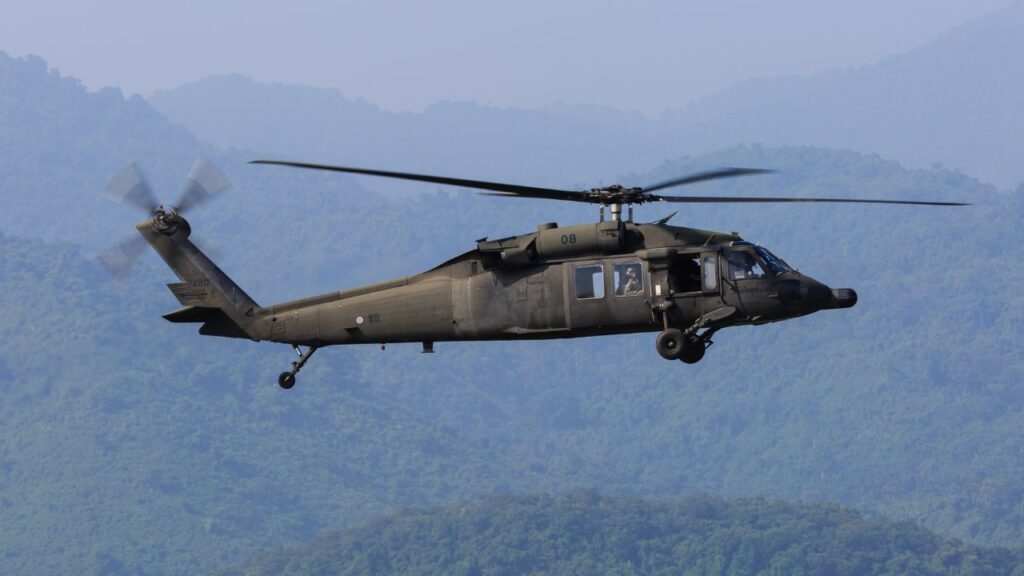
Some travelers use an Everest helicopter tour as part of a broader trekking itinerary.
This can provide a distinctive combination of trail-level and aerial perspectives, depending on available services and current regulations.
However, the helicopter segment should complement a sensible trekking plan rather than compensate for an unsafe one.
Do Not Rush the Ascent Because You Plan to Fly Back
A helicopter return does nothing to protect a traveler who ascends too rapidly during the preceding days.
Design the outbound trekking schedule around appropriate altitude considerations.
The Everest helicopter tour portion should then be planned around weather, baggage, operator requirements, and contingency arrangements.
Know What Happens After a Cancellation
Ask this question before booking.
If an Everest helicopter tour cannot operate, will it move to another date, receive a refund under specified conditions, or require an alternative trekking or transport plan?
Policies vary between providers.
Written terms are more useful than assumptions made during an informal conversation.
How to Choose a Responsible Everest Helicopter Tour
A quality provider should communicate clearly about both the appeal and limitations of the trip.
Look beyond dramatic photographs.
Verify who conducts the flight, read booking conditions, understand cancellation procedures, confirm current landing plans, review baggage restrictions, and ask how passenger weights are managed.
A reputable Everest helicopter tour provider should not promise weather or pressure passengers into believing every advertised element is guaranteed.
Compare Value Rather Than Price Alone
A cheaper Everest helicopter tour is not automatically poor, just as a more expensive option is not automatically superior.
Compare what is actually provided.
Consider aviation operator details, private versus shared arrangements, itinerary, planned stops, transfer arrangements, cancellation conditions, customer support, and included fees.
Make comparisons using current written information because Everest helicopter tour operations can evolve.
Prepare for an Everest Helicopter Tour the Day Before
Good preparation reduces morning confusion.
Reconfirm your departure or pickup time, expected weather communication, baggage allowance, required identification, clothing, payment status, and contact information.
Charge your phone or camera but do not depend on electronics for essential documentation.
Pack only what the Everest helicopter tour operator permits.
If you are joining immediately after trekking, organize baggage in advance because excess trekking equipment may not be accepted onboard.
Listen Carefully to the Safety Briefing
A helicopter safety briefing is not a formality.
Passengers need to understand how and when to approach the aircraft, where to walk, how to handle belongings, how to use restraints, and what to do during stops.
Procedures may differ according to aircraft and operator.
Follow the instructions given for your specific Everest helicopter tour instead of relying on videos or previous helicopter experiences.
The operating crew has authority over the flight.
Use Buffer Days to Improve the Entire Nepal Trip
A flexible schedule benefits more than aviation.
Buffer time can allow recovery from trekking, accommodate transportation disruption, or provide another opportunity when mountain weather is unsuitable.
If everything operates according to schedule, extra time can be used to explore Kathmandu or other appropriate destinations.
This approach is particularly valuable when an Everest helicopter tour is an important part of the trip.
A spare day cannot guarantee a successful flight, but it can provide more scheduling flexibility.
Check Current Information Before Departure
Nepal’s permit rules, tourism requirements, flight arrangements, local restrictions, and aviation practices can change.
Travel blogs can provide inspiration, but an older article should not be your final source for operational information.
Confirm trekking rules through relevant official authorities and current operators.
Before an Everest helicopter tour, verify the latest itinerary and requirements directly with the provider.
This is especially important for details such as landing locations, baggage, identification, fees, airport arrangements, and cancellation procedures.
Make Safety More Important Than Completing the Checklist
Many Himalayan mistakes originate from one idea that the trip must proceed exactly as planned.
A traveler may feel compelled to reach the final destination because flights and hotels have already been paid for. Someone taking an Everest helicopter tour may feel that a once-in-a-lifetime opportunity cannot be missed.
Those pressures should not override safety decisions.
Turning around, waiting for weather, taking an additional rest day, or accepting a canceled flight can be frustrating. They can also be the appropriate choices under the circumstances.
A well-planned Nepal trip leaves room for those decisions.
FAQ’s
Is an Everest helicopter tour suitable for first-time Nepal visitors?
An Everest helicopter tour can suit first-time visitors who understand its altitude and weather considerations. Choose a licensed operator and follow current medical and aviation guidance.
How does weather affect an Everest helicopter tour?
Mountain weather and visibility can cause an Everest helicopter tour to be delayed, rerouted, modified, or canceled. Flexible scheduling is therefore valuable.
Does an Everest helicopter tour land at Everest Base Camp?
Do not assume it does. Landing locations depend on current regulations, weather, operational requirements, and operator itineraries, so confirm current plans before booking.
Can I take an Everest helicopter tour after trekking?
Some itineraries combine trekking with an Everest helicopter tour. The trekking ascent should still follow responsible altitude planning, and the flight requires a weather contingency.
What should I pack for an Everest helicopter tour?
Bring suitable warm layers, sun protection, appropriate footwear, identification, and only baggage permitted by the operator. Follow current operator instructions over generic packing lists.
Does travel insurance cover an Everest helicopter tour?
Coverage varies by insurer and policy. Verify the activity, altitude limits, medical coverage, evacuation terms, and exclusions directly with your insurance provider before travel.
Conclusion
An Everest helicopter tour can add a remarkable aerial dimension to a Nepal journey, but it does not remove the realities that make Himalayan travel demanding. Altitude, mountain weather, suitable equipment, responsible itineraries, insurance, aviation limitations, and personal health all require consideration. Trekkers who prepare for these factors are better equipped to make sensible decisions when circumstances change.
Avoiding common trekking mistakes ultimately means respecting the environment instead of trying to force it to fit a schedule. Prepare physically, ascend responsibly, communicate symptoms, verify current requirements, choose reputable providers, and preserve buffer time. Whether the journey happens entirely on foot or includes an Everest helicopter tour, flexibility and informed preparation are among the most valuable things a traveler can bring.