Family Camping with Water Park: The Ultimate Guide to an Outdoor Adventure Kids Will Love
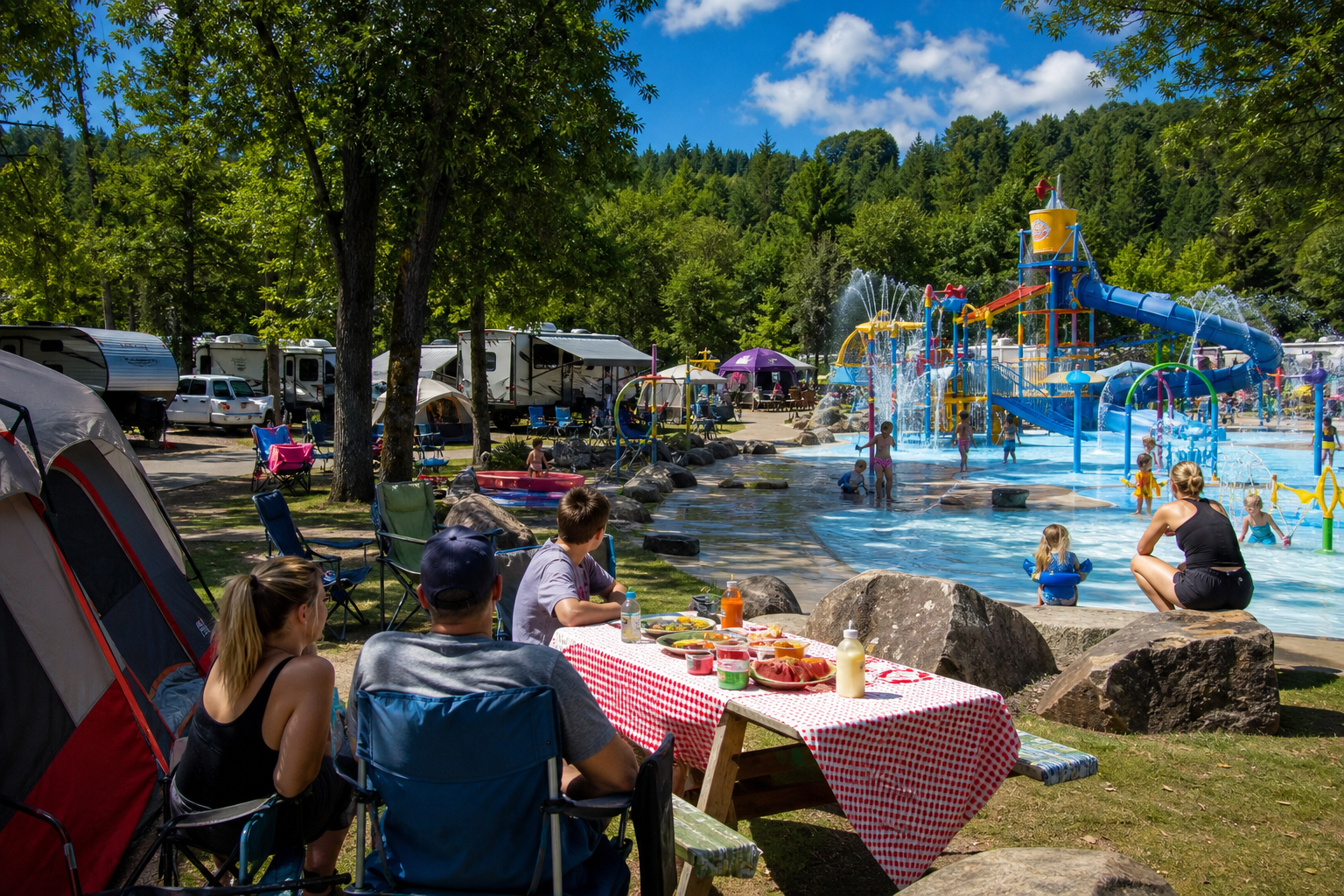
A family camping with water park holiday combines two experiences children often enjoy most during warm weather: spending time outdoors and having easy access to pools, splash areas and water slides. Instead of choosing between a traditional campground and a family resort, parents can look for destinations that provide campsites, cabins or RV spaces alongside aquatic attractions. The result can be a flexible holiday where mornings are spent around the campsite, afternoons are filled with swimming and slides, and evenings return to campfires, outdoor meals and time together.
The best trip, however, involves more than choosing the campground with the biggest pool. Parents should consider accommodation, water attractions, supervision, age appropriate activities, campground facilities, weather, meal planning and how much downtime the family realistically needs.
A well planned campground water park trip can provide children with plenty to do while still preserving the relaxed atmosphere that makes camping appealing.
What Is Family Camping with Water Park Access?
Family camping with water park access generally refers to a campground or camping resort that combines overnight outdoor accommodation with swimming and water based recreation.
Depending on the destination, accommodation might include:
- Tent campsites
- RV sites
- Campervan pitches
- Cabins
- Cottages
- Glamping accommodation
- Rental trailers
The water facilities can also vary considerably.
Some campgrounds have one swimming pool and a small children’s splash area. Larger camping resorts may include multiple pools, water slides, interactive play structures, fountains, splash pads and other attractions.
This variety means families should look beyond the phrase water park when comparing destinations.
One campground may be ideal for toddlers, while another may be designed primarily for older children who want larger slides.
Why Families Choose Campgrounds with Water Parks
Traditional camping offers fresh air, outdoor play and a break from everyday routines.
A water park adds an activity that can keep children entertained without requiring the family to drive to another attraction every day.
This combination can also make camping more appealing to children who may not immediately be excited about hiking or spending an entire weekend around a campsite.
Parents can still enjoy the outdoor elements of camping while children have an additional activity to look forward to.
The National Park Service notes that camping with children can give families time away from screens and everyday distractions while creating opportunities to spend time together. It also recommends keeping expectations realistic because family camping rarely goes exactly as planned.
7 Amazing Ideas for Planning Family Camping with Water Park Trips
The quality of the holiday often depends more on planning than on how many attractions a campground advertises.
These seven considerations can help families choose and prepare for a more enjoyable stay.
1. Choose a Water Park That Matches Your Children’s Ages
The largest water park is not automatically the best one for every family.
A household travelling with preschool children may get more value from shallow splash areas, small slides and zero depth entry pools.
Families with older children may prefer larger slides, swimming pools and more adventurous attractions.
Before booking, check whether the campground provides:
- Shallow children’s areas
- Splash pads
- Small slides
- Large water slides
- General swimming pools
- Lifeguard coverage where offered
- Height restrictions
- Age restrictions
- Swimming ability requirements
Parents should also check the operating schedule.
A campground might be open in spring while its outdoor aquatic facilities operate only during the warmer part of the season.
Check Water Attraction Rules Before Booking
Height and age requirements can affect how much children are actually able to use.
A child may see photographs of a large slide online and arrive expecting to ride it, only to discover that they do not meet the minimum requirement.
Reviewing rules before the trip allows parents to set realistic expectations.
It also helps families choose a destination where every child has suitable activities.
2. Select the Right Type of Camping Accommodation
Not every family enjoys camping in the same way.
For some families, sleeping in a tent is the main attraction.
Others prefer an RV with beds, cooking facilities and a private bathroom.
Cabins can provide a middle ground by keeping the family within the campground environment while offering more indoor comfort.
Choose accommodation according to the age of the children, experience level and length of stay.
Tent Camping
Tent camping can provide the most traditional outdoor experience.
It is generally best suited to families that already have suitable equipment or are willing to learn how to set up camp.
Check whether the campsite has:
- Level ground
- Shade
- Nearby toilets
- Drinking water
- Electricity if required
- Picnic tables
- Fire facilities where permitted
RV Camping
RV camping can make longer stays easier because families have additional storage and indoor space.
Parents may also appreciate having cooking facilities and a place for children to rest during poor weather.
Check the campsite dimensions and electrical, water and waste connections before arriving.
Cabin Camping
Cabins are useful for families who want the campground experience without bringing a complete outdoor sleeping setup.
Facilities vary widely.
Some cabins are basic sleeping spaces, while others have kitchens, bathrooms and air conditioning.
Always check what is actually included rather than assuming every cabin works like a hotel room.
3. Make Water Safety a Priority
Water attractions add excitement, but they also require constant attention.
The CDC states that drowning can occur quickly and silently. It identifies drowning as the leading cause of death for children ages one through four in the United States and the second leading cause of unintentional injury death among children ages five through fourteen.
Parents and responsible adults should therefore maintain active supervision around pools, splash areas, lakes and other water.
Do not assume that the presence of a lifeguard replaces parental supervision.
Children’s swimming ability should also be considered when deciding which attractions are appropriate.
Assign a Responsible Water Watcher
When several adults are travelling together, it can be easy for everyone to assume that someone else is watching the children.
A clearer system is to identify which adult is responsible for active supervision at a given time.
That adult should remain focused on the children rather than becoming distracted by a phone, book or conversation.
The CDC specifically advises adults supervising children around water to remain attentive and avoid distracting activities.
Life jackets should be properly fitted and used where appropriate, particularly around natural bodies of water and for activities where they are required.
4. Plan for Both Water Fun and Quiet Time
Children may want to spend the entire day in the water, but several hours of swimming, climbing stairs and running between attractions can be tiring.
A balanced schedule can make the whole trip more enjoyable.
One possible routine might involve breakfast at camp, a morning activity, water park time around midday, a break at the campsite and another short activity later.
Younger children may still need naps.
Older children may simply benefit from an hour in the shade with snacks and quiet entertainment.
Trying to use every attraction from opening until closing can make a holiday feel more exhausting than relaxing.
Downtime is particularly valuable on multi day trips.
5. Pack Specifically for Camping and Swimming
A combined campground and water park trip requires slightly different packing from ordinary camping.
Families need supplies for sleeping outdoors as well as equipment for swimming.
Important items may include:
- Swimwear
- Towels
- Sun protection
- Refillable water bottles
- Suitable footwear
- Dry clothing
- Waterproof storage bags
- Camping chairs
- Flashlights
- Bedding
- Cooking supplies
- First aid supplies
- Insect repellent
- Toiletries
- Weather appropriate clothing
The National Park Service recommends preparing according to the setting, season, length and difficulty of the trip. It also stresses the importance of water, appropriate clothing, sun protection and a first aid kit.
Bring More Than One Swimsuit When Possible
A second swimsuit can be surprisingly useful during a multi day camping trip.
One set can dry while the other is being worn.
This is especially helpful in humid weather when clothing may take longer to dry.
Extra towels can also help because swimming often creates more laundry than families expect.
6. Check Campground Facilities Before Arrival
A family campground may look impressive in photographs while lacking a facility your household considers essential.
Review the campground map and amenity list before making a reservation.
Useful facilities may include:
- Clean toilets
- Hot showers
- Laundry facilities
- Drinking water
- Camp store
- Food service
- Playground
- Picnic areas
- Wi Fi
- Electric hookups
- Dump stations
- Dog friendly areas
- Family bathrooms
Parents travelling with babies or toddlers may also want to look for changing facilities and shorter walking distances between the campsite and water park.
Convenience matters.
A beautiful campsite at the far end of a large resort may become less appealing after repeatedly carrying towels, flotation equipment and tired children back from the pool.
7. Have a Weather Backup Plan
Outdoor holidays are affected by weather.
Rain, lightning, extreme heat or unusually cool conditions can change plans quickly.
The National Park Service recommends checking conditions, preparing for changing weather and having an alternative plan rather than continuing with activities that are no longer safe.
Before booking, find out whether the campground offers non water activities.
Possible alternatives include:
- Indoor recreation rooms
- Covered craft areas
- Arcades
- Games
- Family activities
- Nature programs
- Nearby museums
- Local attractions
Bring a few simple campsite activities as well.
Card games, colouring supplies, books and compact board games take relatively little space and can rescue a rainy afternoon.
How to Choose the Best Family Camping with Water Park Destination
Start by defining what matters most to your family.
Some parents prioritise large water attractions.
Others care more about clean campsites, shade and peaceful evenings.
A resort with dozens of activities may be ideal for one household and overwhelming for another.
Consider Driving Distance
Long drives can reduce the amount of time available for enjoying a short camping trip.
For a weekend stay, a campground closer to home may provide better value than spending most of the first and final day travelling.
For a week long holiday, families may be more comfortable travelling farther.
Remember to include rest stops when travelling with young children.
Read the Water Park Description Carefully
Do not judge the aquatic facilities only by photographs.
Look for specific information.
How many pools are available?
Are the slides included in the camping fee?
Are there extra charges?
Is there a splash area for young children?
Are attractions open every day?
What hours do they operate?
Do some attractions close outside peak season?
These questions can prevent disappointment after arrival.
Check What the Camping Fee Includes
Resort style campgrounds sometimes charge separately for certain activities.
A campsite price may or may not include access to the water park.
Other possible additional charges can include:
- Equipment rentals
- Mini golf
- Special activities
- Extra vehicles
- Additional guests
- Cabin linen
- Pets
- Premium attractions
Compare the total holiday cost rather than just the nightly campsite rate.
Family Camping with Water Park Packing Checklist
Packing becomes easier when items are organised by purpose.
Camping Essentials
Bring shelter, sleeping equipment, lighting and everything needed for the type of accommodation booked.
Tent campers may need:
- Tent
- Groundsheet
- Sleeping bags
- Pillows
- Sleeping mats
- Mallet
- Lantern
- Flashlights
RV and cabin guests will have different requirements.
Confirm what the accommodation already provides.
Water Park Essentials
Keep swimming items together in one easy to carry bag.
Include:
- Swimsuits
- Towels
- Approved flotation equipment where appropriate
- Water bottles
- Sun protection
- Pool footwear
- Dry clothing
- Waterproof phone pouch if needed
Avoid carrying unnecessary valuables into the water park.
Food and Drinks
Campground dining can be simple.
Easy breakfasts, sandwiches, fruit and prepared ingredients can reduce cooking time.
Food storage also matters outdoors.
Follow campground rules for food storage and rubbish disposal, particularly in places where wildlife may be present.
The National Park Service recommends checking local food storage regulations because requirements can differ according to the camping environment.
Keeping Children Healthy Around Pools and Splash Areas
Water safety includes more than preventing drowning.
Recreational water can also spread germs.
The CDC advises people not to swim when experiencing diarrhoea and encourages swimmers to avoid swallowing recreational water.
Parents should encourage children to take regular bathroom breaks rather than waiting until the last moment.
Young children should also follow the facility’s rules concerning swim diapers where required.
After swimming, changing out of wet clothing can improve comfort around the campsite.
How to Handle Hot Weather During Family Camping
Campgrounds and water parks are often busiest during summer, which means families may spend many hours outdoors.
Swimming does not eliminate the need for hydration.
Children may not notice how thirsty they are while playing.
Keep water easily available and encourage regular drinking.
The National Park Service recommends drinking water frequently while outdoors and using sunscreen, hats, sunglasses and protective clothing when appropriate.
Shade also matters.
A shaded campsite can provide a valuable break during the hottest part of the day.
What to Do Beyond the Water Park
A combined camping resort offers more than swimming.
Giving children other activities can make the holiday feel more varied.
Explore Nature
Take a short walk around the campground or nearby trail.
Look for birds, trees and local wildlife without disturbing animals.
Keep activities appropriate to children’s abilities.
The National Park Service recommends matching outdoor activities to the interests and physical capabilities of the group.
Enjoy a Campfire Where Permitted
Campfires are a traditional part of many camping trips.
Check local fire rules before lighting one.
Restrictions may change according to weather and wildfire conditions.
Children should remain supervised around flames and hot cooking equipment.
Plan Family Games
Bring simple activities that everyone can play together.
Possible options include scavenger hunts, cards, outdoor ball games and storytelling.
The goal is not to schedule every minute.
Sometimes children enjoy having enough free time to explore the campsite and invent their own games.
Tent Camping vs Cabin Camping at a Water Park Resort
Neither option is universally better.
Tent camping generally creates a stronger outdoor experience and can be more affordable at many campgrounds.
Cabins can provide greater comfort and reduce the amount of equipment required.
For first time camping families, a cabin can offer an easier introduction.
Parents can learn how their children respond to campground life before purchasing tents and other equipment.
Experienced campers may prefer tents because setting up camp is part of the experience.
The decision should reflect your family’s comfort level rather than what someone else considers real camping.
How Many Nights Are Best for a Family Camping Trip?
For first time campers, two or three nights can be a practical introduction.
It provides enough time to settle into the campsite without committing to a long trip.
Experienced families may enjoy a full week.
Longer stays work particularly well at large camp resorts because families do not need to use every attraction on the first day.
They can alternate busy water park days with slower campsite activities.
The right duration depends on travel distance, children’s ages, accommodation comfort and budget.
Ways to Save Money on Family Camping with Water Park Holidays
A resort campground can become expensive once food, fuel, activities and accommodation are included.
Planning can help control costs.
Book early when rates are more favourable.
Compare weekday and weekend prices.
Bring meals and snacks instead of buying every meal onsite.
Check whether water park admission is included.
Avoid paying for more accommodation space than the family needs.
Travelling with friends or relatives may also allow some equipment and meal costs to be shared, depending on campground occupancy rules.
Focus on total value rather than choosing only the cheapest campsite.
A slightly higher nightly rate that includes water park access may cost less overall than a cheaper campground where attractions require separate admission.
Common Mistakes Families Should Avoid
One mistake is creating an overly busy schedule.
Children need time to rest.
Another is assuming all advertised attractions will be suitable for every age.
Parents should check restrictions in advance.
Other common issues include:
- Forgetting rain gear
- Not packing enough dry clothes
- Choosing a campsite too far from facilities
- Failing to check water park opening dates
- Bringing inadequate sun protection
- Ignoring weather forecasts
- Forgetting campground quiet hours
- Underestimating how much drinking water the family needs
Preparation does not remove every unexpected problem, but it can make small problems much easier to manage.
Frequently Asked Questions
What is family camping with water park access?
It is a camping holiday where the campground or resort provides pools, slides, splash areas or other aquatic attractions alongside tent, RV, cabin or similar accommodation.
Is family camping with water park facilities suitable for toddlers?
It can be, particularly when the resort offers shallow splash areas and age appropriate attractions. Parents should verify depth, restrictions and supervision requirements before booking.
What should I pack for family camping with water park activities?
Pack normal camping equipment plus swimsuits, towels, water bottles, sun protection, suitable footwear, dry clothes and any approved flotation equipment your children require.
How can children stay safe at a campground water park?
Provide close and constant adult supervision, follow attraction rules, use properly fitted life jackets when appropriate and select activities suited to each child’s swimming ability.
How many nights are enough for a family camping holiday?
Two or three nights can work well for first time campers, while experienced families may prefer longer stays that allow water park days to be mixed with quieter outdoor activities.
What should I check before booking a campground with a water park?
Check accommodation, water attraction opening dates, age and height restrictions, campsite facilities, swimming rules, additional fees, distance from your site and cancellation policies.
Conclusion
Family camping with water park access can combine the freedom of an outdoor holiday with swimming, slides and activities that keep children engaged. The best experience comes from choosing facilities suited to your children’s ages, packing for both camping and swimming, building rest into the schedule and treating water safety as a priority. With thoughtful planning, families can enjoy an active trip without losing the relaxed outdoor atmosphere that makes camping memorable.